

Almond trees thrive in Chula Vista, CA, thanks to the region’s favorable coastal climate and soil conditions. Successful cultivation involves selecting the right almond variety and implementing effective irrigation and pest management practices.
Coastal Climate Advantages for Almond Cultivation
Chula Vista, California, offers a unique coastal climate that significantly benefits almond cultivation. The region’s mild temperatures, consistent breezes, and ample sunshine create an ideal environment for almond trees to thrive. Understanding these climatic advantages is essential for maximizing yield and ensuring the success of almond farming in this coastal area.
Chula Vista’s coastal climate provides a unique advantage for almond cultivation. The Mediterranean climate features mild, wet winters and warm, dry summers, which are ideal for almond trees. These conditions promote healthy growth and higher yields.
Key factors include:
Temperature: Almond trees require chilling hours during winter for proper flowering.
Humidity: Moderate humidity levels reduce the risk of certain diseases.
Sunlight: Full sun exposure is crucial for optimal nut development.
Coastal Almond Variety Selection Guide
Selecting the right almond variety is crucial for successful cultivation in Chula Vista’s coastal climate. This guide offers insights into the most suitable almond varieties, taking into account factors like climate adaptability, disease resistance, and yield potential. Understanding these selections will help local growers maximize their harvest and ensure thriving orchards.
Choosing the appropriate almond variety is critical for success. Some varieties are better suited for coastal conditions and can withstand local pests and diseases.
Consider these popular varieties:
Carmel: Known for its high yield and disease resistance.
Sonora: Produces long, narrow nuts with a soft shell.
Tuono: An Italian variety that thrives in warm climates.
| Variety | Yield Potential | Shell Type | Disease Resistance |
|---|---|---|---|
| Carmel | High | Hard | Moderate |
| Sonora | Moderate | Soft | High |
| Tuono | High | Hard | Moderate |
Irrigation Techniques for Healthy Almond Trees
Effective irrigation is crucial for cultivating healthy almond trees, especially in the coastal climate of Chula Vista, CA. This section explores various irrigation techniques tailored to optimize water usage and enhance tree growth, ensuring that local growers can achieve the best possible yields while maintaining sustainability in their practices.
Irrigation plays a vital role in almond tree health. Proper watering ensures trees receive adequate moisture, especially during dry summer months.
Consider these irrigation methods:
Drip Irrigation: Provides targeted water delivery, reducing waste.
Sprinkler Systems: Useful for larger orchards but may increase disease risk.
Soil Moisture Sensors: Help monitor moisture levels to optimize watering schedules.
Recommended Products
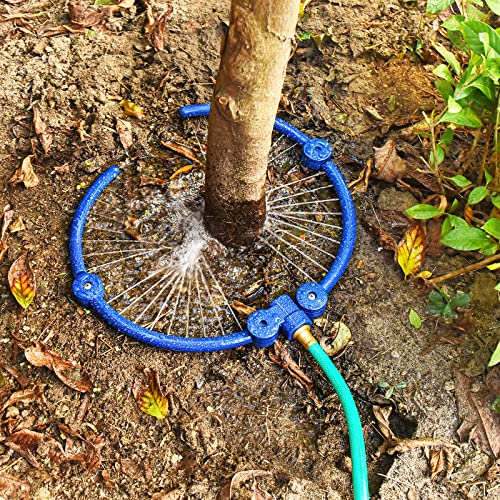
【Specially Designed for Trees and Shrubs】 The Watering Ring is a multi-purpose irrigation ring that attaches to a garden hose to efficiently water young trees shrubs vegetables or flower beds using drip or trickle irrigation.It directs water to the root perimeter of the plant to give them a good start during the first two growing seasons or through periods of drought.

NO MORE HARD INSTALLATION - SET UP IN MINUTES. Tired of struggling with stiff barbed fittings? This drip irrigation system features quick-connect fittings that let you push, lock, and secure tubing effortlessly. No tools, no leaks, just a smooth setup experience. Enjoy a frustration-free installation and get your garden watering system running in minutes.

🍀【Extra-Long 50FT 5/16” Mainline Tubing】 With 50 feet of premium 5/16” main tubing, you have more flexibility to build a central watering path across larger garden layouts. The enhanced flow capacity supports multiple emitters with consistent water pressure throughout your irrigation zones.
Integrated Pest Control for Almond Trees
Effective pest management is crucial for the health and productivity of almond trees in Chula Vista, California. This section explores integrated pest control strategies tailored to the unique coastal environment, highlighting methods that combine biological, cultural, and chemical practices to ensure sustainable almond farming. Understanding these approaches can help growers maintain healthy orchards while minimizing environmental impact.
Pest management is essential for maintaining healthy almond trees. Common pests include aphids, spider mites, and navel orangeworm. Implementing an integrated pest management approach can minimize damage.
Effective strategies include:
Regular Monitoring: Check for signs of pest activity weekly.
Beneficial Insects: Introduce natural predators to control pest populations.
Organic Pesticides: Use as a last resort to minimize chemical exposure.
Soil Health Strategies for Almond Cultivation
Soil health plays a crucial role in the successful cultivation of almond trees, particularly in the unique coastal climate of Chula Vista, CA. Understanding the specific soil requirements and implementing effective strategies can significantly enhance tree growth and nut production. This section explores key practices that promote optimal soil conditions for thriving almond orchards in this region.
Healthy soil is the foundation of successful almond cultivation. Conducting soil tests can help determine nutrient levels and pH balance, guiding amendments.
Key soil health practices:
Cover Crops: Planting legumes can improve nitrogen levels.
Organic Matter: Adding compost enhances soil structure and fertility.
Mulching: Reduces weed competition and conserves moisture.
| Soil Amendment | Benefit | Application Frequency |
|---|---|---|
| Compost | Improves fertility | Annually |
| Lime | Adjusts pH | Every 2-3 years |
| Cover Crops | Enhances nitrogen levels | Seasonally |
Plan for Harvesting Almonds
Harvesting almonds in Chula Vista requires careful planning to ensure a successful yield. Understanding the local climate, soil conditions, and optimal harvesting techniques is essential for maximizing production. This section explores key strategies and considerations for effectively planning the almond harvest in this coastal region.
Harvesting almonds at the right time is crucial for quality. Typically, almonds are ready for harvest in late summer to early fall.
Consider these harvesting tips:
Monitor Nut Maturity: Nuts should be brown and hard.
Mechanical Harvesters: Efficient for larger orchards, reducing labor costs.
Drying Process: Ensure nuts are properly dried to prevent mold.
Almond Sales Market Trend Analysis
The almond sales market in Chula Vista, California, reflects a dynamic landscape influenced by local agricultural practices and broader economic factors. Analyzing recent trends reveals insights into pricing, demand fluctuations, and the impact of climate on production. Understanding these elements is crucial for stakeholders aiming to navigate the competitive almond market effectively.
Understanding market trends can enhance profitability. The demand for almonds continues to rise, driven by health trends and snack preferences.
Key factors to consider:
Export Opportunities: Research international markets for potential sales.
Consumer Preferences: Stay updated on flavor and packaging trends.
Pricing Strategies: Monitor local market prices to optimize sales.
Almond trees in Chula Vista can thrive with the right practices. Focus on climate advantages, variety selection, and effective management to maximize yields.
