

Growing almond trees in San Jose, CA requires careful planning and attention to local conditions. The region’s Mediterranean climate offers a suitable environment, but specific practices ensure healthy growth and optimal yield.
San Jose Almond Tree Climate Insights
Understanding the climate conditions in San Jose is essential for successfully growing almond trees in this region. With its Mediterranean climate characterized by warm, dry summers and mild, wet winters, San Jose offers a unique environment that can significantly influence almond yield and health. This section delves into the specific climate insights that aspiring almond growers should consider.
San Jose’s climate is characterized by warm, dry summers and mild, wet winters. This Mediterranean climate is ideal for almond cultivation as it promotes proper flowering and fruit development. However, understanding seasonal variations is crucial for successful growth.
Almond trees thrive in temperatures ranging from 75 to 85 degrees Fahrenheit during the growing season. Winter chill hours, typically between 32 to 45 degrees Fahrenheit, are essential for dormancy. Here are key climate factors to consider:
Frost risk: Late spring frosts can damage blossoms.
Rainfall: Adequate water is necessary during the growing season.
Sunlight: Almond trees require full sun for optimal growth.
Choosing Almond Varieties for San Jose Cultivation
Selecting the right almond varieties is crucial for successful cultivation in San Jose’s unique climate. Factors such as local weather patterns, soil conditions, and pest resistance play a significant role in determining which varieties will thrive. Understanding these elements will help you make informed choices for a productive almond orchard.
Choosing the correct almond variety is vital for successful cultivation in San Jose. Different varieties have unique characteristics, such as bloom timing and disease resistance. Here are popular options:
| Variety | Bloom Time | Yield Potential | Disease Resistance |
|---|---|---|---|
| Nonpareil | Early | High | Moderate |
| Carmel | Mid | High | High |
| Tuono | Late | Moderate | Low |
Selecting a variety that matches local conditions and market demand can significantly impact your success.
Soil Preparation for Almond Cultivation
Preparing the right soil is crucial for successful almond cultivation in San Jose, CA. The unique climate and soil conditions of Silicon Valley require specific amendments and techniques to ensure optimal growth. Understanding these soil preparation strategies will set the foundation for a thriving almond orchard.
Soil preparation is a critical step in growing almond trees. The ideal soil is well-draining and rich in organic matter. Here are steps to prepare your soil:
Test soil pH: Aim for a pH between 6.0 and 7.5.
Amend soil: Incorporate compost or well-rotted manure to improve fertility.
Ensure drainage: Avoid heavy clay soils that retain water.
Proper soil preparation promotes healthy root development and enhances tree resilience.
Recommended Products

Kindly NOTE: This soil tester can not be applied to test pH value of any other liquid. If the soil is too dry the indicator will not move, and water it before testing.

KNOW BEFORE YOU GROW | Grow the healthiest, sustainable lawn and garden with the most accurate and easy to use professional soil test kit on the market

Accurate Soil pH Testing: Dewildetradingco Soil pH Test Strips offer measurements of soil pH levels (pH 3.5-9). As an essential tool for every gardener and grower, these test strips help determine the optimal pH for various plants, such as outdoor plants, indoor plants, gardens, grass lawns, fruit trees, flowers, vegetables, and forest shrubs.
Almond Tree Irrigation Techniques
Effective irrigation is crucial for the successful growth of almond trees in San Jose’s unique climate. With the region’s varying rainfall and soil conditions, understanding the best irrigation techniques can significantly enhance tree health and nut yield. This section explores various methods tailored to optimize water usage and promote robust almond production in Silicon Valley.
Effective watering is essential for almond tree growth. The trees require consistent moisture, especially during the flowering and nut development stages. Here are key watering strategies:
Drip irrigation: Provides targeted moisture and reduces water waste.
Mulching: Retains soil moisture and suppresses weeds.
Monitor moisture levels: Use soil moisture sensors to avoid overwatering.
Consistent watering practices help maintain tree health and improve yield.
Recommended Products
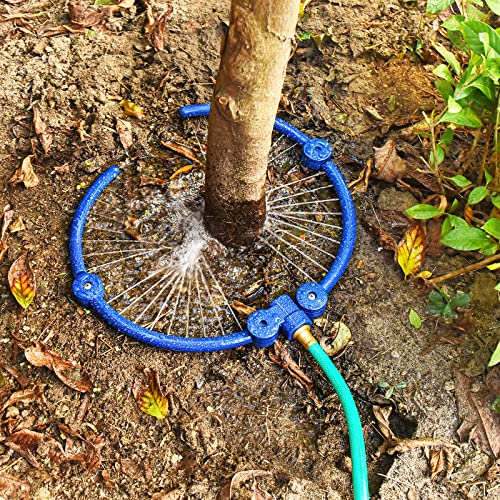
【Specially Designed for Trees and Shrubs】 The Watering Ring is a multi-purpose irrigation ring that attaches to a garden hose to efficiently water young trees shrubs vegetables or flower beds using drip or trickle irrigation.It directs water to the root perimeter of the plant to give them a good start during the first two growing seasons or through periods of drought.

NO MORE HARD INSTALLATION - SET UP IN MINUTES. Tired of struggling with stiff barbed fittings? This drip irrigation system features quick-connect fittings that let you push, lock, and secure tubing effortlessly. No tools, no leaks, just a smooth setup experience. Enjoy a frustration-free installation and get your garden watering system running in minutes.

Automatic Drip Irrigation System Kit: The universal connector adapts to different tubing sizes with a secure, leak-free fit; the dual-channel connector splits a single line into two separate watering paths for multi-zone irrigation. The garden bed watering system includes 100FT 1/4" Water Pipe, Cable Ties x 24, Universal Connector x 1, Dual Channel Connector x 1, Quick Tees x 24, Sealing Tape x 1, Fixing Clips x 24, End Plus x 4, and Brass Nozzles x 24. Simply unbox and start building automatic misting system.
Pest and Disease Management Strategies
Effective pest and disease management is crucial for thriving almond trees in San Jose’s unique climate. This section explores proven strategies tailored to Silicon Valley’s agricultural landscape, helping growers protect their crops from common threats while promoting healthy growth. By implementing these techniques, almond farmers can enhance their yields and ensure sustainable cultivation.
Pests and diseases can threaten almond tree health. Proactive management strategies are essential to protect your investment. Common pests include:
Navel orangeworm: Causes significant crop damage.
Spider mites: Can lead to leaf drop and reduced yield.
Implement integrated pest management practices, such as:
Regular monitoring: Check for signs of pests.
Beneficial insects: Introduce natural predators to control pest populations.
Chemical treatments: Use pesticides judiciously and according to local regulations.
Recommended Products

3-IN-1 PLANT CARE: 3-In-1 Insect, Disease & Plant Mite Control provides insect control, disease control, and plant mite control all in one; Rainproof protection starts in 4 hours and lasts up to 14 days

3-in-1 FORMULA: Aphid spray for outdoor plants for use on roses, flowers, shrubs and trees to control listed insects, disease and mites

INSECT KILLER: Army worm killer. Also kills insects such as Aphids, Spider Mites, Japanese Beetles, Caterpillars, and other listed insects
Almond Harvest Timing and Techniques
Understanding the optimal timing and techniques for harvesting almonds is crucial for maximizing yield and quality in San Jose’s unique climate. This section delves into the best practices for determining when to harvest and the methods that can enhance the efficiency and effectiveness of the process, ensuring a successful almond crop in Silicon Valley.
Harvesting almonds at the right time is crucial for quality and yield. Timing can vary based on the variety and local conditions. Here are essential harvesting techniques:
Monitor nut maturity: Nuts should be hard and shells should split.
Use mechanical shakers: Efficiently shake nuts from trees.
Dry nuts properly: Spread nuts in a single layer to prevent mold.
Proper harvesting techniques ensure high-quality almonds and maximize market potential.
Almond Market Demand in San Jose
The almond market in San Jose is influenced by various factors, including local consumer preferences, export opportunities, and agricultural trends. Understanding the demand for almonds in this region is crucial for growers looking to optimize their production and align with market needs. This section explores the current landscape of almond demand in San Jose, providing valuable insights for prospective farmers.
Understanding market demand is vital for successful almond cultivation. San Jose offers various avenues for selling almonds. Key market factors include:
Local farmers’ markets: Direct sales to consumers.
Wholesale distributors: Larger volume sales to retailers.
Online sales: Expanding reach through e-commerce platforms.
Evaluate local market trends to determine the best sales strategy for your almonds.
Tree Health Monitoring Techniques
Monitoring the health of almond trees is crucial for ensuring a bountiful harvest in San Jose’s unique climate. Employing effective techniques can help detect early signs of stress, disease, or nutrient deficiencies. This section explores various methods to keep your almond trees thriving throughout the growing season.
Regular monitoring of tree health and growth is essential. Observing changes allows for timely interventions. Key aspects to monitor include:
Leaf color and size: Indicators of nutrient deficiencies.
Fruit set: Assessing the number of nuts per tree.
Pest populations: Adjusting management strategies as needed.
Adjusting practices based on observations can lead to improved outcomes.
Essential Practices for Almond Cultivation
Growing almond trees in San Jose requires a keen understanding of essential cultivation practices tailored to the region’s unique climate and soil conditions. This section outlines key techniques and strategies that can enhance growth, yield, and overall health of almond trees, ensuring successful cultivation in Silicon Valley’s agricultural landscape.
Growing almond trees in San Jose requires careful attention to climate, soil, and market conditions. Implementing effective strategies in each area can lead to successful cultivation and profitable yields.
Choose the right variety.
Prepare soil adequately.
Implement effective watering and pest management.
Harvest at the right time.
Evaluate market opportunities regularly.
By following these guidelines, growers can maximize their success in the almond industry.
