

Mango trees cannot thrive in North Dakota due to extreme winter temperatures that can drop below freezing. These trees require a warm climate and cannot survive prolonged exposure to cold.
Mango Tree Growth Conditions in Cold Climates
Mango trees are tropical plants that thrive in warm, humid environments. They require specific conditions to grow successfully, including temperatures between 70°F and 100°F. In addition, these trees need well-draining soil and ample sunlight. North Dakota’s harsh winters present a significant challenge, as temperatures can plummet well below freezing, making it impossible for mango trees to survive outdoors year-round.
Recommended Products
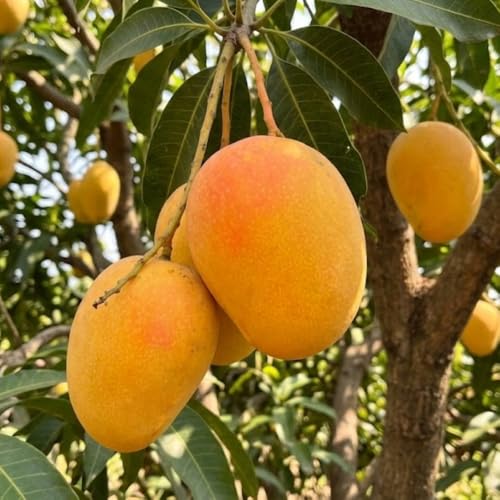
Includes 1 live bright yellow mango plant, approximately 2–2.5 feet tall, ready for outdoor planting

MULTIPLE VARIETIES AVAILABLE: Premium fig tree varieties including Brown Turkey, Celeste, Chicago Hardy, and Black Mission depending on availability, all producing sweet, delicious figs for fresh eating or drying
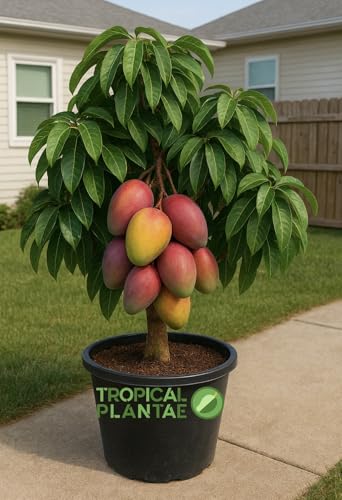
Imagine stepping into your backyard a few months from now and seeing a beautiful grafted Haden mango tree, growing stronger every day — a tree that will soon reward you with one of the most classic, flavorful mangoes ever grown.
Mango Tree Cold Temperature Thresholds
Mango trees are renowned for their tropical origins, thriving in warm climates. However, understanding their cold temperature thresholds is crucial for assessing their potential survival in regions like North Dakota. This section delves into the specific temperature limits that mango trees can endure and the implications for their growth in colder environments.
Mango trees are sensitive to cold. They can tolerate brief periods of temperatures down to 30°F but suffer damage when exposed to prolonged cold. The following table summarizes the temperature thresholds for mango trees:
| Temperature Range | Effect on Mango Trees |
|---|---|
| Above 70°F | Optimal growth |
| 50°F – 70°F | Slowed growth |
| 30°F – 50°F | Leaf drop and damage |
| Below 30°F | Severe damage or death |
Soil Amendments for Mango Tree Success
Mango trees prefer sandy, well-draining soil rich in organic matter. Poor drainage can lead to root rot, which is detrimental to the tree’s health. In North Dakota, the soil type often does not meet these requirements, especially in winter when moisture can freeze. To grow mango trees successfully, consider the following soil amendments:
Add organic compost to improve nutrient content.
Incorporate sand to enhance drainage.
Test soil pH to ensure it is between 5.5 and 7.5.
Indoor Mango Tree Cultivation Techniques
Growing mango trees in North Dakota presents unique challenges due to the state’s extreme winters. However, indoor cultivation offers a viable solution for enthusiasts eager to enjoy these tropical fruits. This section explores effective techniques for nurturing mango trees indoors, ensuring they thrive despite the harsh outdoor conditions.
Growing mango trees indoors can be a viable option for North Dakota residents. Indoor cultivation allows for controlled conditions, protecting the tree from extreme temperatures. Here are some steps for successful indoor mango tree growth:
Select a dwarf variety to fit indoor space.
Use a large pot with drainage holes.
Provide adequate light with grow lights if necessary.
Maintain indoor temperatures above 70°F.
Mango Tree Winter Protection Methods
Mango trees thrive in warm climates, making their survival in North Dakota’s harsh winters a significant challenge. This section explores various methods to protect mango trees during extreme cold, ensuring they can withstand frigid temperatures and continue to flourish in less-than-ideal conditions. Understanding these protective strategies is crucial for any gardener aiming to cultivate mango trees in a northern environment.
If you attempt to grow mango trees outdoors in North Dakota, implementing winter protection strategies is crucial. These methods can help mitigate the effects of cold weather:
Use frost cloths to cover trees during cold snaps.
Install windbreaks to shield trees from harsh winds.
Mulch around the base to insulate roots.
Logistical Considerations for Mango Cultivation
Growing mango trees in North Dakota presents unique logistical challenges due to the region’s harsh winter climate. Understanding the specific requirements for cultivating these tropical trees in such an environment is crucial for success. This section explores the practical aspects of mango cultivation, including site selection, soil preparation, and necessary protective measures against extreme cold.
If you are determined to cultivate mango trees in North Dakota, consider the logistics involved. This includes selecting the right variety, preparing the site, and establishing a care routine. The following table outlines key logistical considerations:
| Task | Description |
|---|---|
| Variety Selection | Choose dwarf or cold-tolerant varieties |
| Site Preparation | Amend soil and ensure good drainage |
| Watering Schedule | Water deeply but infrequently |
| Fertilization | Use balanced fertilizer during growing season |
Mango Tree Growth in Cold Climates
Mango trees are typically associated with warm, tropical climates, but their potential for growth in colder regions like North Dakota raises intriguing questions. This section explores the challenges and considerations of cultivating mango trees in extreme winter conditions, examining factors such as temperature tolerance, soil requirements, and potential cultivation techniques that may enhance their survival in a less-than-ideal environment.
Mango trees are not suitable for outdoor cultivation in North Dakota due to extreme winter conditions. Indoor growth or greenhouse cultivation may provide a solution for those passionate about growing these tropical plants.
