

Pear trees can thrive in Wisconsin’s northern winter climates with the right varieties and care. Choosing cold-hardy types and implementing proper winterization techniques will ensure successful growth and fruit production.
Cold-Hardy Pear Varieties for Wisconsin
When considering pear trees for Wisconsin, focus on varieties that withstand harsh winters. The Bartlett and Kieffer pears are popular choices due to their cold tolerance and adaptability. These trees can endure temperatures as low as -20°F, making them suitable for the region.
Recommended Products


Live Tree - May Arive Dormant in Winter(No Leaves)

Best Pear Varieties for Wisconsin Winters
Choosing the right pear varieties is crucial for successful cultivation in Wisconsin’s harsh winters. Some types are better suited to withstand the cold temperatures and challenging conditions, ensuring a fruitful harvest. This section highlights the best pear varieties that can thrive in northern climates, providing essential information for both novice and experienced gardeners.
Bartlett: Known for its sweet flavor and smooth texture.
Kieffer: Offers excellent disease resistance and a crisp bite.
Bosc: Features a unique shape and great storage capabilities.
Seckel: A small pear with exceptional sweetness.
| Variety | Cold Hardiness | Flavor Profile | Disease Resistance |
|---|---|---|---|
| Bartlett | -20°F | Sweet | Moderate |
| Kieffer | -20°F | Crisp | High |
| Bosc | -15°F | Sweet | Moderate |
| Seckel | -15°F | Very Sweet | High |
Winter Preparation for Wisconsin Pear Trees
Preparing pear trees for the harsh Wisconsin winter is essential to ensure their survival and productivity. Proper winterization techniques can protect these trees from freezing temperatures and harsh winds, helping them thrive in the northern climate. Understanding the specific needs of pear trees during this season can lead to healthier growth and a more fruitful harvest in the spring.
Proper winter preparation is essential for the survival of pear trees in Wisconsin. Start by pruning your trees in late fall to remove dead or weak branches. This enhances airflow and reduces the risk of disease.
Mulching Strategies for Wisconsin Pear Trees
Mulching is a crucial practice for protecting pear trees in Wisconsin’s harsh winter climate. By providing insulation and moisture retention, the right mulching strategies can help these trees thrive despite the cold temperatures and fluctuating conditions. Understanding effective mulching techniques is essential for ensuring the health and longevity of pear trees in this northern region.
Mulching: Apply a thick layer of mulch around the base to insulate roots.
Wrapping: Use tree wraps to protect the bark from extreme cold and sunscald.
Watering: Ensure trees are well-watered before the ground freezes to prevent dehydration.
Pest and Disease Control for Pear Trees
Maintaining the health of pear trees in Wisconsin’s harsh winters requires vigilant pest and disease control measures. The unique challenges posed by the northern climate can lead to specific vulnerabilities, making it essential for growers to adopt effective strategies. Understanding these threats and their management is crucial for ensuring robust pear tree growth and fruitful harvests.
Pest and disease management is crucial for maintaining healthy pear trees. Regular inspections can help identify issues early.
Recommended Products

EFFECTIVE MOTH CONTROL – Targets and traps codling moths (Cydia pomonella), the primary pest of apples, pears, and walnuts. Helps break the breeding cycle and reduce future infestations.
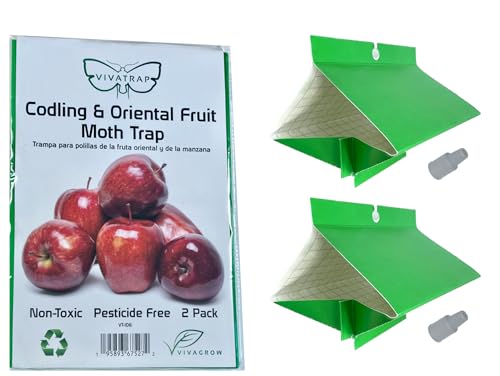
Fruit Tree Protection: Help protect your Apple, Crab Apple, Peach, Pear, Plum & other fruit trees from invasive and destructive moth larvae. Don't spray your trees and edible fruit if it isn't necessary

Attracts greater & lesser Peach Tree Borers (Synanthedon exitiosa) as well as many other clearwing moth species
Pest Management Strategies for Pear Trees
Effective pest management is crucial for the health and productivity of pear trees in Wisconsin’s challenging northern winter climates. Understanding the specific pests that threaten these trees and implementing targeted strategies can help ensure their survival and yield. This section explores various approaches to managing pests, tailored to the unique conditions faced by pear growers in the region.
Pear Psylla: Use insecticidal soap or horticultural oil to control infestations.
Fire Blight: Prune affected branches immediately and apply appropriate fungicides.
Codling Moth: Set traps in early spring to monitor and manage populations.
| Pest/Disease | Symptoms | Recommended Treatment |
|---|---|---|
| Pear Psylla | Leaf curling | Insecticidal soap |
| Fire Blight | Wilting branches | Prune and apply fungicide |
| Codling Moth | Worms in fruit | Traps and insecticides |
Best Practices for Planting Pear Trees
Successfully planting pear trees in Wisconsin requires careful consideration of the region’s unique climate challenges. Understanding the best practices for planting can enhance the trees’ resilience against harsh winters and ensure healthy growth. This section outlines essential tips and techniques to help gardeners establish thriving pear trees in northern environments.
Planting pear trees correctly is vital for their establishment and growth. Choose a location with full sun and well-drained soil.
Successful Planting Techniques for Pear Trees
Successfully planting pear trees in Wisconsin requires careful consideration of the region’s unique climate challenges. By employing specific techniques tailored to withstand northern winters, gardeners can ensure healthy growth and fruitful yields. This section outlines effective strategies for planting and nurturing pear trees in this demanding environment.
Digging the Hole: Create a hole twice as wide as the root ball.
Soil Preparation: Amend the soil with compost to enhance nutrients.
Positioning the Tree: Place the tree so the graft union is above soil level.
Watering: Water thoroughly after planting to settle the soil.
Wisconsin Climate Effects on Pear Trees
Wisconsin’s unique climate presents both challenges and opportunities for pear trees. Understanding how factors like temperature fluctuations, snowfall, and frost impact their growth is crucial for successful cultivation. This section delves into the specific climatic effects on pear trees in the state, offering insights for gardeners and farmers alike.
Wisconsin’s climate can vary significantly, affecting pear tree growth. Understanding these variations will help in making informed decisions.
Frost Dates for Wisconsin Pear Trees
Understanding frost dates is crucial for successfully growing pear trees in Wisconsin’s challenging northern climate. These dates determine the optimal planting and harvesting times, ensuring that the trees can thrive despite the harsh winters. Knowing when to expect frost can help gardeners protect their pear trees and maximize their yield.
Frost Dates: Know the average last frost date to avoid planting too early.
Snow Cover: Snow can provide insulation; avoid clearing it from tree bases.
Wind Exposure: Plant in sheltered areas to protect from harsh winds.
| Climate Factor | Impact on Growth | Recommended Action |
|---|---|---|
| Frost Dates | Damage to blossoms | Delay planting if necessary |
| Snow Cover | Insulation for roots | Maintain snow cover |
| Wind Exposure | Stress on trees | Use windbreaks or barriers |
Wisconsin Pear Tree Care Strategies
Caring for pear trees in Wisconsin requires a tailored approach to withstand the harsh northern winters. Understanding the specific needs of these trees, from proper planting techniques to winter protection strategies, is essential for successful growth and fruit production. This section outlines effective care methods to ensure pear trees thrive in Wisconsin’s challenging climate.
Regular monitoring and care will enhance the resilience of pear trees in Wisconsin. Focus on proper watering, pest management, and seasonal care to ensure healthy growth and fruit production.
Always choose disease-resistant varieties for better long-term success.
