Close Menu
    Fruit Tree Hub
    • Home
    • Apple Trees
    • Lemon Trees
    • Mango Trees
    • Orange Trees
    • More Trees
      • Best Fruit Trees
      • Apricot Trees
      • Cherry Trees
      • Fig Trees
      • Lime Trees
      • Mulberry Trees
      • Peach Trees
      • Pear Trees
      • Plum Trees
      • Pomegranate Trees
    • Tips and Advice
      • Tools
    • About Us
      • Contact
      • Privacy Policy
    Fruit Tree Hub
    Home»Planting»Can Mango Trees Grow in North Dakota? Extreme Winter Survival
    Planting

    Can Mango Trees Grow in North Dakota? Extreme Winter Survival

    Lucy SmithBy Lucy SmithApril 15, 20264 Mins Read
    Share Facebook Twitter Pinterest WhatsApp Email
    Share
    Facebook Twitter LinkedIn Pinterest Telegram Email

    Mango trees cannot thrive in North Dakota due to extreme winter temperatures that can drop below freezing. These trees require a warm climate and cannot survive prolonged exposure to cold.

    Contents show
    1 Mango Tree Growth Conditions in Cold Climates
    1.1 Mango Tree Cold Temperature Thresholds
    1.2 Soil Amendments for Mango Tree Success
    1.3 Indoor Mango Tree Cultivation Techniques
    1.4 Mango Tree Winter Protection Methods
    1.5 Logistical Considerations for Mango Cultivation
    1.6 Mango Tree Growth in Cold Climates

    Mango Tree Growth Conditions in Cold Climates

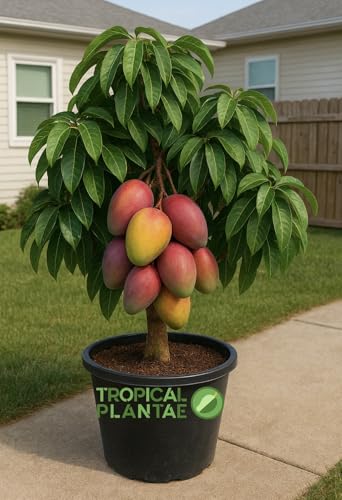
    Mango trees are tropical plants that thrive in warm, humid environments. They require specific conditions to grow successfully, including temperatures between 70°F and 100°F. In addition, these trees need well-draining soil and ample sunlight. North Dakota’s harsh winters present a significant challenge, as temperatures can plummet well below freezing, making it impossible for mango trees to survive outdoors year-round.

    Recommended Products
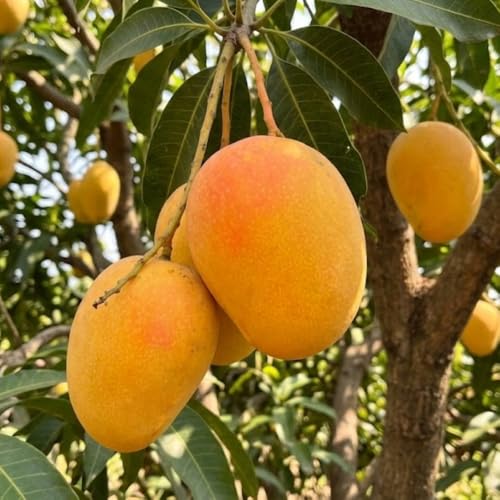
    Bright Yellow Mango Live Plant from 2-2.5 Feet Tall, Cold Hardy Mango Tree, Live Fruit Tree for Outdoor Gardening
    Bright Yellow Mango Live Plant from 2-2.5 Feet Tall, Cold Hardy Mango Tree, Live Fruit Tree for Outdoor Gardening

    Includes 1 live bright yellow mango plant, approximately 2–2.5 feet tall, ready for outdoor planting

    VIEW LATEST PRICE

    As an affiliate, we earn on qualifying purchases.

    Cold Hardy Avocado Tree Live Plant 6-12" Indoor Outdoor Growing Zones 5-11, Smooth and Sweet Tropical Fruit Trees
    Cold Hardy Avocado Tree Live Plant 6-12" Indoor Outdoor Growing Zones 5-11, Smooth and Sweet Tropical Fruit Trees

    Easy to Grow – Requires minimal care and thrives in full sun or partial shade

    VIEW LATEST PRICE

    As an affiliate, we earn on qualifying purchases.

    Belle of Georgia Peach Tree, Cold Hardy, Deciduous, Self-Pollinator, 1 gal Nursery Pot, 1-2 ft Tree Height (Due to Agricultural Laws, we Cannot Ship to CA, AZ, AK, or HI)
    Belle of Georgia Peach Tree, Cold Hardy, Deciduous, Self-Pollinator, 1 gal Nursery Pot, 1-2 ft Tree Height (Due to Agricultural Laws, we Cannot Ship to CA, AZ, AK, or HI)

    Due to agricultural laws, we cannot ship to California, Arizona, Alaska, or Hawaii; orders will be cancelled if you ship to one of these states

    MUST READ
    Can Persimmon Trees Grow in Delaware? Regional Variety Advice
    VIEW LATEST PRICE

    As an affiliate, we earn on qualifying purchases.

    Mango Tree Cold Temperature Thresholds

    Mango trees are renowned for their tropical origins, thriving in warm climates. However, understanding their cold temperature thresholds is crucial for assessing their potential survival in regions like North Dakota. This section delves into the specific temperature limits that mango trees can endure and the implications for their growth in colder environments.

    Mango trees are sensitive to cold. They can tolerate brief periods of temperatures down to 30°F but suffer damage when exposed to prolonged cold. The following table summarizes the temperature thresholds for mango trees:

    Temperature RangeEffect on Mango Trees
    Above 70°FOptimal growth
    50°F – 70°FSlowed growth
    30°F – 50°FLeaf drop and damage
    Below 30°FSevere damage or death

    Soil Amendments for Mango Tree Success

    Mango trees prefer sandy, well-draining soil rich in organic matter. Poor drainage can lead to root rot, which is detrimental to the tree’s health. In North Dakota, the soil type often does not meet these requirements, especially in winter when moisture can freeze. To grow mango trees successfully, consider the following soil amendments:

    • Add organic compost to improve nutrient content.

    • Incorporate sand to enhance drainage.

    • Test soil pH to ensure it is between 5.5 and 7.5.

    Indoor Mango Tree Cultivation Techniques

    Growing mango trees in North Dakota presents unique challenges due to the state’s extreme winters. However, indoor cultivation offers a viable solution for enthusiasts eager to enjoy these tropical fruits. This section explores effective techniques for nurturing mango trees indoors, ensuring they thrive despite the harsh outdoor conditions.

    MUST READ
    Banana Trees in Tucson, AZ: Heat-Tolerant Variety Success

    Growing mango trees indoors can be a viable option for North Dakota residents. Indoor cultivation allows for controlled conditions, protecting the tree from extreme temperatures. Here are some steps for successful indoor mango tree growth:

    1. Select a dwarf variety to fit indoor space.

    2. Use a large pot with drainage holes.

    3. Provide adequate light with grow lights if necessary.

    4. Maintain indoor temperatures above 70°F.

    Mango Tree Winter Protection Methods

    Mango trees thrive in warm climates, making their survival in North Dakota’s harsh winters a significant challenge. This section explores various methods to protect mango trees during extreme cold, ensuring they can withstand frigid temperatures and continue to flourish in less-than-ideal conditions. Understanding these protective strategies is crucial for any gardener aiming to cultivate mango trees in a northern environment.

    If you attempt to grow mango trees outdoors in North Dakota, implementing winter protection strategies is crucial. These methods can help mitigate the effects of cold weather:

    • Use frost cloths to cover trees during cold snaps.

    • Install windbreaks to shield trees from harsh winds.

    • Mulch around the base to insulate roots.

    Logistical Considerations for Mango Cultivation

    Growing mango trees in North Dakota presents unique logistical challenges due to the region’s harsh winter climate. Understanding the specific requirements for cultivating these tropical trees in such an environment is crucial for success. This section explores the practical aspects of mango cultivation, including site selection, soil preparation, and necessary protective measures against extreme cold.

    If you are determined to cultivate mango trees in North Dakota, consider the logistics involved. This includes selecting the right variety, preparing the site, and establishing a care routine. The following table outlines key logistical considerations:

    MUST READ
    Growing Cherry Trees in Louisville, KY (River Valley Success)
    TaskDescription
    Variety SelectionChoose dwarf or cold-tolerant varieties
    Site PreparationAmend soil and ensure good drainage
    Watering ScheduleWater deeply but infrequently
    FertilizationUse balanced fertilizer during growing season

    Mango Tree Growth in Cold Climates

    Mango trees are typically associated with warm, tropical climates, but their potential for growth in colder regions like North Dakota raises intriguing questions. This section explores the challenges and considerations of cultivating mango trees in extreme winter conditions, examining factors such as temperature tolerance, soil requirements, and potential cultivation techniques that may enhance their survival in a less-than-ideal environment.

    Mango trees are not suitable for outdoor cultivation in North Dakota due to extreme winter conditions. Indoor growth or greenhouse cultivation may provide a solution for those passionate about growing these tropical plants.

    Share. Facebook Twitter Pinterest LinkedIn Tumblr Email
    lucy smith
    Lucy Smith
    • Website

    Lucy Smith is a highly experienced horticulturist with a passion for fruit tree cultivation. She holds a degree in Horticulture from the University of California, Davis, and has worked in various roles in the industry. With over 10 years of experience, Lucy is dedicated to using eco-friendly methods for sustainable gardening practices.

    Related Posts

    Can Fig Trees Grow in Stockton, CA? Central Valley Tips

    May 27, 2026

    Olive Trees in Wisconsin (Surviving Northern Winter Climates)

    May 27, 2026

    Loquat Trees in Oklahoma: Surviving Heat and Wind Storms

    May 27, 2026

    Can Pear Trees Grow in Maine? Cold-Hardy Variety Research

    May 27, 2026

    Tangerine Trees in a Pot in Chicago, IL (Winter Protection Guide)

    May 27, 2026

    Is Growing Nectarine Trees in a Pot in Arizona Possible? Tips

    May 27, 2026
    Leave A Reply Cancel Reply

    Affiliate Disclosure

    As an Amazon Associate I earn from qualifying purchases.

    Recommended Reading

    How to Grow Hardy Kiwi Successfully: A Complete Guide from Planting to Harvest

    How Long for a Macadamia Tree to Bear Fruit: Essential Care Tips for Healthy Harvests

    Can Banana Trees Grow in Greensboro, NC? (Piedmont Secrets)

    How Do I Keep Birds Off My Fruit Trees: Effective Strategies to Protect Your Harvest

    Walnut Trees in Arizona: Heat-Tolerant Planting Strategies

    How to Create a Feature Garden With Persimmon Trees

    Guava Trees in Washington, DC (Urban Backyard Success)

    How Long for Persian Lime Tree to Bear Fruit: Tips for Thriving Growth and Faster Results

    How Long Does It Take Peach Trees to Bear Fruit: Tips for Growing and Caring for Your Trees

    How Are Pomegranates Grown

    Fruit Tree Hub

    Fruit Tree Hub is a website dedicated to providing you everything you need to grow fruit trees successfully at in your own yard.

    Contact us at: [email protected]

    - AFFILIATE DISCLOSURE: As an Amazon Associate I earn from qualifying purchases.

    Latest Posts

    Can Fig Trees Grow in Stockton, CA? Central Valley Tips

    Olive Trees in Wisconsin (Surviving Northern Winter Climates)

    Loquat Trees in Oklahoma: Surviving Heat and Wind Storms

    Can Pear Trees Grow in Maine? Cold-Hardy Variety Research

    Tangerine Trees in a Pot in Chicago, IL (Winter Protection Guide)

    Is Growing Nectarine Trees in a Pot in Arizona Possible? Tips

    Growing Orange Trees in Texas (Lone Star State Variety Guide)

    Growing Tangerine Trees in a Pot in New Mexico: Soil Prep Secrets

    Categories
    • Almond Trees
    • Apple Trees
    • Apricot Trees
    • Best Fruit Trees
    • Blackberry
    • Cantaloupe
    • Cherry Trees
    • Crochet Ideas
    • Crochet Ideas for Beginners
    • Cucamelon
    • Easy Crochet Ideas
    • Easy Knitting Projects
    • Fig Trees
    • Grapefruit Trees
    • Grapes
    • Guava Trees
    • Honeydew
    • Jujube Trees
    • Kiwi
    • Knitting For Beginners
    • Knitting Ideas
    • Knitting Inspiration
    • Lemon Trees
    • Lime Trees
    • Loquat Trees
    • Mango Trees
    • Mulberry Trees
    • Nectarine Trees
    • Olive Trees
    • Orange Trees
    • Papaya Trees
    • Peach Trees
    • Pear Trees
    • Persimmon Trees
    • Planting
    • Plum Trees
    • Pomegranate Trees
    • Quince Trees
    • Raspberry
    • Reviews
    • Small Crochet Ideas
    • Star Fruit Trees
    • Summer Crochet Ideas
    • Tamarind Trees
    • Tangerine Trees
    • Tips and Advice
    • Tools
    • Uncategorized
    • Walnut Trees
    © 2026 Fruit Tree Hub
    • Home
    • About Us
    • Contact
    • Privacy Policy
    • Terms and Conditions
    • Disclaimer
    • Editorial Policy
    • Affiliate Disclosure

    Type above and press Enter to search. Press Esc to cancel.