

Mango trees struggle to thrive in Kentucky’s Bluegrass Region due to its climate and soil conditions. The cold winters and inconsistent temperatures present significant challenges for successful cultivation.
Mango Tree Growth Challenges in Bluegrass Climate
The Bluegrass Region of Kentucky experiences a humid subtropical climate characterized by hot summers and cold winters. Average summer temperatures can reach the mid-80s to low 90s Fahrenheit, while winter temperatures often dip below freezing. This climate poses challenges for growing mango trees, which require warm temperatures and a frost-free environment.
| Month | Average High (°F) | Average Low (°F) |
|---|---|---|
| January | 39 | 22 |
| April | 66 | 43 |
| July | 88 | 66 |
| October | 70 | 48 |
Mango trees typically thrive in USDA hardiness zones 10-11. The Bluegrass Region falls into zones 6-7, making it difficult for mango trees to survive the winter months.
Soil Requirements for Kentucky Mango Cultivation
Mango trees thrive in specific soil conditions that are crucial for their growth and fruit production. In the Bluegrass region of Kentucky, understanding the soil requirements is essential for successful cultivation. This section delves into the ideal soil types, pH levels, and nutrient needs necessary to support mango trees in this unique climate.
Mango trees prefer well-drained, sandy loam soils with a pH between 5.5 and 7.5. The soil in the Bluegrass Region often contains clay, which can retain moisture and lead to root rot.
Soil Enhancements for Mango Tree Growth
Mango trees thrive in specific soil conditions that can be challenging to replicate in Kentucky’s Bluegrass region. Understanding the necessary soil enhancements is crucial for successful cultivation, as these trees require well-draining, nutrient-rich environments to flourish. This section delves into the essential amendments and practices that can support mango tree growth in this unique climate.
To improve soil conditions for mango trees, consider the following amendments:
Sand: Mix with existing soil to enhance drainage.
Compost: Incorporate to improve soil fertility and structure.
Perlite: Add to increase aeration and drainage.
A well-draining soil mix is essential for the healthy growth of mango trees.
Frost Protection Techniques for Mango Trees
Mango trees thrive in warmer climates, making their cultivation in Kentucky a unique challenge due to the region’s unpredictable frost events. Understanding effective frost protection techniques is essential for ensuring the health and productivity of these tropical trees in the Bluegrass region. This section explores various strategies to safeguard mango trees from frost damage.
Given the cold winters in Kentucky, protecting mango trees from frost is crucial. Here are some effective strategies:
Mulching: Apply a thick layer of mulch around the base to insulate roots.
Frost Cloths: Use lightweight fabric to cover trees during cold snaps.
Container Growing: Consider growing mango trees in pots for easy relocation indoors during winter.
These methods can help mitigate the effects of cold weather on mango trees.
Recommended Products

PACKAGE: The package includes 4Pcs plant covers,will meet your daily use or replacement. Measuring 31.5" x 47.3", the plant protector is waterproof, windproof.

BETTER SOLUTION FOR DOING ORGANIC GARDENING:If you are doing organic gardening, or just want to reduce pesticide use, Remiawy shrub winter covers are the better choice for you. Reusable season after season,this quality winter shrub cover is made from tear-proof and breathable fabric. The material allows air and moisture to reach plants. Remiawy plant covers for animal protection will help protect branches buds and fruits from hungry deer,rabbits,worms and birds
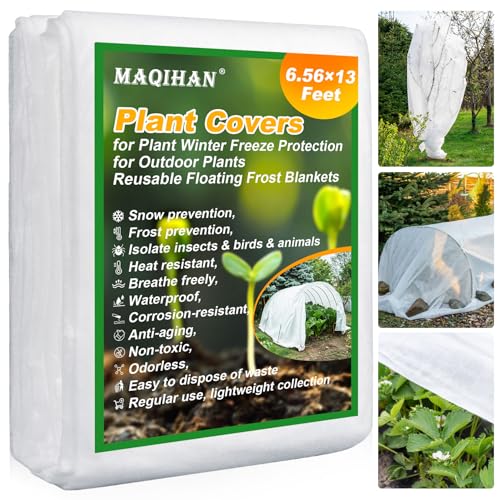
Product Features: Our plant covers are ideal for protecting all plant. Made from premium 1 oz/sq non-woven fabric, their durability and breathability ensuring both insulation against frost and facilitation of sunlight penetration for healthy plant growth
Cold-Hardy Mango Varieties for Kentucky
In the Bluegrass region of Kentucky, the unique climate presents challenges for growing mango trees. However, certain cold-hardy varieties have adapted well, offering potential for local cultivation. This section explores these resilient mango types, highlighting their suitability for Kentucky’s weather conditions and the benefits they bring to home gardeners and farmers alike.
While most mango varieties struggle in colder climates, some are more resilient. Consider these varieties for potential success in Kentucky:
Keitt: Known for its late-season fruiting and cold tolerance.
Haden: Offers good disease resistance and moderate cold hardiness.
Palmer: A late-season variety that can tolerate cooler temperatures.
Choosing the right variety can improve the chances of successful cultivation in the Bluegrass Region.
Cultivation Strategies for Kentucky Mango Trees
Cultivating mango trees in Kentucky presents unique challenges due to the region’s climate. Understanding the specific strategies that can enhance growth and fruit production is essential for successful cultivation in the Bluegrass Region. This section explores effective methods tailored to the local environment, ensuring that mango enthusiasts can thrive despite the state’s variable weather conditions.
Growing mango trees in Kentucky requires careful planning and logistics. Here are key points to consider:
Location: Choose a south-facing site for maximum sunlight exposure.
Irrigation: Implement a drip irrigation system to ensure consistent moisture without overwatering.
Fertilization: Use a balanced fertilizer during the growing season to support tree health.
Proper planning can enhance the likelihood of successful mango tree cultivation.
Recommended Products
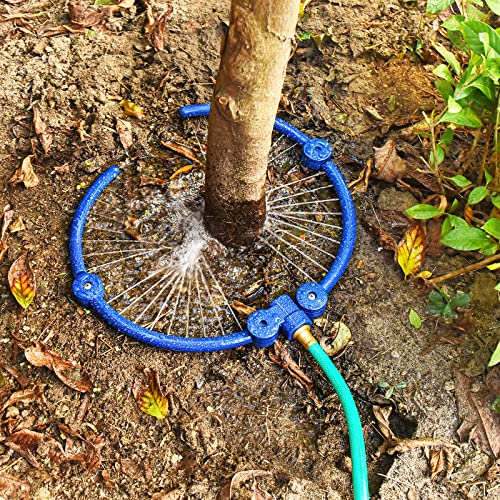
【Specially Designed for Trees and Shrubs】 The Watering Ring is a multi-purpose irrigation ring that attaches to a garden hose to efficiently water young trees shrubs vegetables or flower beds using drip or trickle irrigation.It directs water to the root perimeter of the plant to give them a good start during the first two growing seasons or through periods of drought.

【Upgraded Tube Design & Water Saving】 Our adjustable garden watering system is upgraded to 1/2” diameter to support high water pressure. The 1/2” tee connector in the package so you can easily set up 2 drip irrigation systems as needed. Garden watering systems minimize stage water loss by recharging water directly to plant roots. While traditional irrigation often results in wasted water, this drip irrigation system saves up to 70% of water, no need for manual watering, saves water.

NO MORE HARD INSTALLATION - SET UP IN MINUTES. Tired of struggling with stiff barbed fittings? This drip irrigation system features quick-connect fittings that let you push, lock, and secure tubing effortlessly. No tools, no leaks, just a smooth setup experience. Enjoy a frustration-free installation and get your garden watering system running in minutes.
Mango Cultivation Strategies for Kentucky
Mango cultivation in Kentucky presents unique challenges due to the region’s climate. Understanding effective strategies for growing these tropical trees in the Bluegrass Region can help maximize yield and ensure healthy growth. This section explores practical approaches tailored to the specific environmental conditions of Kentucky, enabling successful mango farming in an unexpected locale.
Mango trees are not naturally suited for the Bluegrass Region’s climate. However, with the right strategies, including soil amendments, winter protection, and careful variety selection, it is possible to grow mango trees successfully.
Consider the climate challenges and prepare accordingly to increase your chances of success.
