

Growing persimmon trees in Kansas requires careful selection of resilient varieties and proper management techniques to withstand wind and heat. Choosing the right species and implementing effective cultivation practices can lead to successful fruit production in this challenging climate.
Resilient Persimmon Cultivars for Kansas
Choosing the right persimmon variety is crucial for thriving in Kansas. The American persimmon and certain cultivars of the Asian persimmon are known for their adaptability to local conditions. These varieties can withstand heat and resist wind damage, making them ideal for Kansas’s climate.
Recommended Products

PRODUCT IMAGE DISCLAIMER: The main image is for reference only. The plant you receive may not look exactly the same as shown in the first image

PRODUCT IMAGE DISCLAIMER: The main image is for reference only. The plant you receive may not look exactly the same as shown in the first image
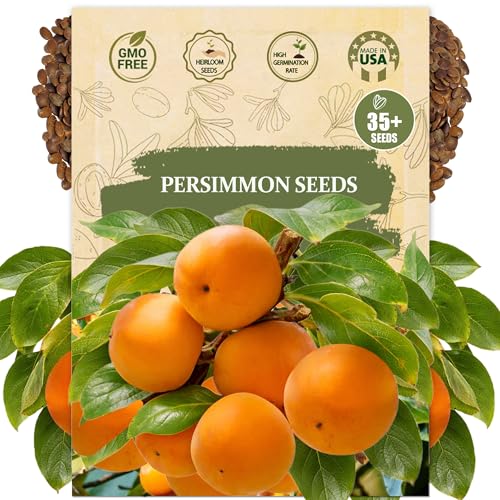
🌳 PERSIMMON TREE SEEDS FOR HOME GARDENS: Persimmon tree seeds are ideal for backyard gardens, raised beds, or seed-starting before transplanting outdoors in suitable climates.
Top Persimmon Varieties for Kansas Conditions
When selecting persimmon varieties for Kansas, it’s essential to consider their adaptability to the region’s unique climate challenges. The right choices can enhance resilience against wind and heat, ensuring a fruitful harvest. Below are some of the top persimmon varieties that thrive in Kansas conditions, offering both hardiness and flavor.
| Variety Name | Type | Heat Tolerance | Wind Resistance |
|---|---|---|---|
| American Persimmon | Native | High | High |
| Fuyu | Asian | Moderate | Moderate |
| Saijo | Asian | High | Moderate |
| Chocolate Persimmon | Asian | Moderate | High |
Site Selection for Persimmon Trees
Proper site preparation is essential for the healthy growth of persimmon trees. Select a location with full sun exposure and well-drained soil to promote optimal growth. Avoid low-lying areas where cold air can settle, as this can damage young trees.
Optimal Soil pH for Persimmons
Understanding the optimal soil pH for persimmon trees is crucial for successful cultivation in Kansas. The right pH level not only supports healthy growth but also enhances the tree’s resilience against wind and heat. This section delves into the specific soil requirements that can help ensure robust persimmon production in the region.
pH Level: Aim for a pH between 6.0 and 7.5.
Drainage: Ensure good drainage to prevent root rot.
Organic Matter: Incorporate compost to improve soil structure.
Persimmon Tree Planting Best Practices
Planting persimmon trees in Kansas requires careful consideration of local climate conditions, particularly wind and heat resilience. Understanding the best practices for planting can significantly enhance the trees’ growth and fruit production. This section outlines essential techniques to ensure successful establishment and long-term health of persimmon trees in the region.
When planting persimmon trees, follow specific techniques to ensure strong establishment. Dig a hole that is twice as wide as the root ball and deep enough to accommodate the roots without crowding.
Persimmon Tree Planting Techniques
Planting persimmon trees in Kansas requires careful consideration of the local climate and soil conditions. Effective techniques can enhance growth and resilience against wind and heat, ensuring a thriving harvest. This section delves into the best practices for successfully establishing persimmon trees in the region.
Dig the Hole: Create a hole that is twice the width of the root ball.
Prepare Roots: Gently loosen any tightly bound roots.
Position the Tree: Place the tree in the center of the hole, ensuring the root flare is above soil level.
Backfill: Fill the hole with a mix of native soil and compost.
Water Thoroughly: Water the tree deeply after planting to settle the soil.
Protecting Persimmon Trees from Weather Stress
Persimmon trees, while resilient, can still face significant challenges from extreme weather conditions in Kansas. Understanding how to protect these trees from wind and heat stress is crucial for ensuring their health and productivity. This section explores effective strategies to safeguard persimmon trees against the adverse effects of the local climate.
Kansas’s weather can pose challenges for persimmon trees. Implementing protective measures can mitigate the effects of strong winds and high temperatures.
Windbreak Techniques for Persimmon Trees
Windbreaks are essential for cultivating persimmon trees in Kansas, where strong winds can hinder growth and fruit production. Implementing effective windbreak techniques not only protects these trees from harsh weather conditions but also promotes healthier development and higher yields. Understanding the best practices for creating and maintaining windbreaks is crucial for successful persimmon cultivation in this challenging environment.
Windbreaks: Plant evergreen trees or shrubs around your persimmons to reduce wind exposure.
Mulching: Apply a layer of organic mulch to retain moisture and regulate soil temperature.
Irrigation: Use drip irrigation to provide consistent moisture during dry spells.
Persimmon Tree Care and Fertilization Strategies
Caring for persimmon trees in Kansas requires understanding their unique needs, especially in the face of wind and heat challenges. Effective fertilization strategies play a crucial role in promoting healthy growth and resilience. This section will explore essential care techniques to ensure your persimmon trees thrive in the Kansas climate.
Regular maintenance is vital for the health and productivity of persimmon trees. Fertilization should be tailored to the specific needs of the trees based on soil tests.
Recommended Products
Not Available for Sell in WA, USA

PREMIUM QUALITY INGREDIENTS – Cz Garden Muriate of Potash is a water soluble, high purity, premium phosphate fertilizer for all indoor/outdoor flowers, lawn, and garden vegetables.

Made for Potassium Support – Formulated to supply potassium for essential plant nutrition.
Persimmon Tree Fertilization Guidelines
Fertilizing persimmon trees is essential for their growth and fruit production, especially in the challenging climate of Kansas. Proper nutrient management can enhance resilience against wind and heat stress, ensuring that these trees thrive. Understanding the specific fertilization needs will help maximize their health and yield in this region.
| Time of Year | Fertilizer Type | Application Rate |
|---|---|---|
| Early Spring | Balanced Fertilizer | 1 lb per tree |
| Mid-Summer | High Potassium Fertilizer | 0.5 lb per tree |
| Fall | Organic Compost | 2-3 inches around base |
Pruning Techniques for Persimmon Health
Pruning is a crucial practice for maintaining the health and productivity of persimmon trees, especially in Kansas where wind and heat can pose challenges. Proper techniques not only enhance air circulation and sunlight penetration but also promote robust growth and fruit yield. Understanding the best pruning methods can significantly improve the resilience of these trees in a variable climate.
Pruning is essential for maintaining the shape and health of persimmon trees. Proper pruning encourages better air circulation and sunlight penetration, which can enhance fruit production.
Pruning Techniques for Persimmon Trees
Pruning is a crucial aspect of cultivating healthy persimmon trees, especially in Kansas where wind and heat can pose challenges. Proper techniques not only enhance tree structure but also promote fruit production and resilience. Understanding the best practices for pruning will help ensure your persimmon trees thrive in the local climate.
Remove Dead Wood: Cut away any dead or diseased branches.
Thin Crowded Areas: Trim branches that cross or crowd each other.
Shape the Canopy: Aim for an open center to allow light and air to circulate.
Pest and Disease Monitoring Strategies
Effective pest and disease monitoring is crucial for the successful cultivation of persimmon trees in Kansas, where environmental challenges like wind and heat can exacerbate issues. Implementing proactive strategies allows growers to identify and address potential threats early, ensuring healthy trees and a productive harvest. This section outlines essential monitoring techniques tailored for the unique conditions faced by persimmon growers in the region.
Regular monitoring for pests and diseases is necessary to protect your persimmon trees. Early detection can prevent significant damage and ensure healthy fruit production.
Pest Control Strategies for Persimmon Trees
Effective pest control is crucial for the successful cultivation of persimmon trees in Kansas, where unique environmental challenges can exacerbate pest issues. Understanding the specific pests that target these trees and implementing targeted strategies will help ensure healthy growth and fruit production. This section outlines practical approaches to managing pests while maintaining the resilience of persimmon trees in the face of wind and heat.
Spider Mites: Use insecticidal soap or neem oil.
Scale Insects: Apply horticultural oil for control.
Fungal Diseases: Ensure good air circulation and avoid overhead watering.
Persimmon Tree Growth Strategies for Kansas
Growing persimmon trees in Kansas presents unique challenges due to the region’s wind and heat conditions. To successfully cultivate these trees, it’s essential to adopt specific growth strategies that enhance their resilience. This section outlines effective techniques for nurturing persimmons in Kansas, ensuring they thrive despite environmental stresses.
Growing persimmon trees in Kansas requires attention to variety selection, site preparation, and ongoing care. Implementing these strategies will enhance resilience against wind and heat, leading to fruitful harvests.
Monitor your trees regularly and adapt your practices as needed to ensure long-term success.
