

Guava trees can thrive in Hawaii’s tropical climate, making them an excellent choice for local gardeners. With proper care and attention to soil conditions, water needs, and pest management, you can successfully cultivate these fruitful trees.
Guava Tree Growth Conditions in Hawaii
Guava trees thrive in Hawaii’s tropical climate, but understanding their specific growth conditions is essential for successful cultivation. Factors such as soil type, rainfall, and temperature play a crucial role in determining how well these trees will flourish. This section delves into the optimal conditions needed for guava trees to reach their full potential in the Hawaiian landscape.
Guava trees flourish in warm, tropical environments, which aligns perfectly with Hawaii’s climate. They prefer well-drained soil rich in organic matter.
While they can tolerate drought, consistent watering is essential for optimal fruit production. Understanding these needs will help ensure a healthy guava tree.
Recommended Products

OUTDOOR POTTING SOIL: Miracle-Gro Organic Outdoor Potting Mix contains a quick-release natural plant fertilizer and also feeds plants for up to 2 months
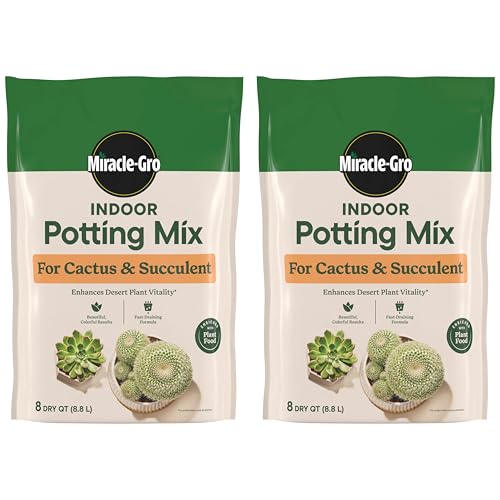
Miracle-Gro Indoor Potting Mix for Cactus and Succulent is enriched with Miracle-Gro Plant Food and enhances desert plant vitality (vs unfed plants when used as directed)

INDOOR GROWING: Growing indoors is easy under the right conditions; Miracle-Gro Houseplant Potting Mix is an indoor plant potting soil that combines key elements container plants need to thrive
Optimal Soil Types for Guava Growth
Understanding the ideal soil conditions is crucial for cultivating healthy guava trees in Hawaii. The right soil types not only support robust growth but also enhance fruit quality and yield. This section delves into the specific soil characteristics that promote optimal guava cultivation in the unique Hawaiian environment.
The right soil is crucial for the growth of guava trees. They thrive in sandy loam or clay loam soils that drain well. Here are essential soil characteristics to consider:
pH Level: Aim for a pH between 5.5 and 7.0 for optimal growth.
Nutrient Content: Use organic compost to enrich the soil with necessary nutrients.
Drainage: Ensure the soil allows excess water to escape, preventing root rot.
| Soil Characteristic | Ideal Range |
|---|---|
| pH Level | 5.5 – 7.0 |
| Organic Matter | 3% or higher |
| Drainage | Well-draining |
Optimal Watering Techniques for Guava Trees
Understanding the optimal watering techniques for guava trees is crucial for successful cultivation in Hawaii’s unique climate. Proper irrigation not only supports healthy growth but also enhances fruit quality and yield. This section will explore effective methods to ensure your guava trees thrive in the tropical environment.
Watering guava trees requires a balance. While they can withstand dry spells, regular watering promotes better fruit yield. Here are some guidelines for effective watering:
Frequency: Water deeply once a week during dry periods.
Quantity: Ensure the soil is moist but not waterlogged.
Mulching: Apply organic mulch to retain moisture and regulate soil temperature.
Guava Tree Pest Control Methods
Guava trees, while thriving in Hawaii’s tropical climate, can face various pest challenges that threaten their health and productivity. Understanding effective pest control methods is crucial for maintaining robust trees and ensuring a bountiful harvest. This section explores various strategies to protect guava trees from common pests and promote their growth in Hawaii’s unique environment.
Pests can threaten the health of guava trees. Common pests include fruit flies and spider mites.
Effective pest management is essential for a thriving tree. Consider these strategies:
Regular Monitoring: Inspect leaves and fruits for signs of infestation.
Natural Predators: Introduce beneficial insects like ladybugs to control pest populations.
Organic Pesticides: Use neem oil or insecticidal soap as a treatment option.
| Pest Type | Symptoms | Control Methods |
|---|---|---|
| Fruit Flies | Holes in fruit | Traps and organic pesticides |
| Spider Mites | Yellowing leaves | Increase humidity and apply neem oil |
Fertilization Techniques for Guava Trees
Fertilizing guava trees is essential for promoting healthy growth and maximizing fruit production, especially in Hawaii’s unique climate. Understanding the specific nutrient needs and effective application methods can significantly enhance the vitality of these tropical trees. This section explores various fertilization techniques tailored to optimize the growth of guava trees in Hawaiian conditions.
Proper fertilization supports the growth and fruiting of guava trees. A balanced approach will yield better results. Follow these fertilization tips:
Timing: Fertilize in early spring and again in late summer.
Type: Use a balanced fertilizer with equal parts nitrogen, phosphorus, and potassium.
Application: Follow package instructions for the correct dosage based on tree age and size.
Guava Fruit Ripeness Indicators
Understanding the signs of ripeness in guava fruit is essential for maximizing the harvest in Hawaii’s unique climate. This section explores the key indicators that signal when guavas are ready to be picked, ensuring that you enjoy their full flavor and nutritional benefits. Recognizing these traits can make a significant difference in your tropical fruit experience.
Harvesting guava fruits at the right time is critical for flavor and quality. Guavas should be picked when they are slightly soft to the touch. Here are some signs that indicate ripeness:
Color Change: Look for a change from green to yellow or pink.
Aroma: Ripe guavas emit a sweet fragrance.
Softness: Gently squeeze the fruit; it should yield slightly.
Guava Tree Health Challenges and Solutions
Guava trees can thrive in Hawaii’s tropical climate, but they face specific health challenges that can hinder their growth and fruit production. Understanding these issues is crucial for successful cultivation, as well as knowing the effective solutions to maintain their vitality and yield. This section will explore common problems and practical remedies to ensure robust guava trees.
Even with the best care, guava trees can face challenges. Recognizing and addressing these issues promptly will help maintain tree health. Here are common problems and their solutions:
Leaf Drop: Often caused by overwatering. Adjust watering schedule.
Poor Fruit Set: May result from insufficient pollination. Consider planting companion plants to attract pollinators.
Sunburn: Protect young trees from intense sunlight with shade cloth during peak hours.
| Issue | Possible Cause | Solution |
|---|---|---|
| Leaf Drop | Overwatering | Reduce watering frequency |
| Poor Fruit Set | Lack of Pollinators | Introduce flowering plants |
| Sunburn | Excessive Sun Exposure | Use shade cloth |
Guava Tree Cultivation Tips for Hawaii
Growing guava trees in Hawaii can be a rewarding endeavor, given the island’s favorable climate and soil conditions. However, successful cultivation requires specific techniques and care tailored to the unique environment. This section offers practical tips to help you nurture healthy guava trees and maximize your tropical harvest.
Guava trees can become a rewarding addition to your garden in Hawaii. By understanding their specific needs and addressing potential challenges, you can enjoy a bountiful harvest. Implement these practices to ensure your guava trees thrive throughout the year.
