

Selecting the right fruit trees for Wichita, KS requires careful consideration of high wind and heat resistance. Trees like Apple, Pawpaw, and Persimmon thrive in this climate, providing both beauty and bounty.
Top Apple Varieties for Wichita Gardens
Apple trees are a popular choice for Wichita gardeners due to their adaptability and fruit quality. Varieties such as Arkansas Black and Honeycrisp are particularly resilient against high winds and heat stress. These trees not only produce delicious fruit but also enhance the landscape with their blossoms.
Arkansas Black Apple Characteristics
The Arkansas Black apple is a standout choice for gardeners in Wichita, KS, thanks to its remarkable resilience against high winds and heat. This variety not only thrives in challenging conditions but also offers a unique flavor profile and crisp texture, making it a popular selection for both fresh eating and culinary uses. Understanding its characteristics can help you decide if it’s the right fit for your orchard.
The Arkansas Black apple is known for its rich flavor and storage capabilities. This variety is hardy and can withstand the extreme weather conditions typical of Kansas.
Height: 15-20 feet
Fruit Color: Dark red to black
Harvest Time: Late season
Honeycrisp Apple Characteristics and Benefits
The Honeycrisp apple is a standout choice for gardeners in Wichita, KS, thanks to its remarkable resilience to heat and wind. Known for its crisp texture and balanced sweetness, this variety not only thrives in challenging conditions but also offers a bountiful harvest. Its adaptability makes it an ideal fruit tree for local enthusiasts looking to enjoy delicious apples.
The Honeycrisp apple is favored for its crisp texture and sweet-tart flavor. This variety is also resistant to common pests and diseases, making it a low-maintenance option.
Height: 10-15 feet
Fruit Color: Red and yellow
Harvest Time: Early to mid-season
Pawpaw Trees for Wichita’s Challenging Climate
Pawpaw trees are an excellent choice for gardeners in Wichita, KS, thanks to their remarkable resilience against the region’s high winds and heat. These unique trees not only thrive in challenging conditions but also produce delicious, tropical-flavored fruit. Their adaptability makes them a valuable addition to any local landscape.
Pawpaw trees are native to the Midwest and are well-suited for the Wichita climate. They thrive in both heat and wind, making them an excellent choice for homeowners seeking unique fruit.
Pawpaw Trees for Nutrient-Rich Fruit
Pawpaw trees are an excellent choice for gardeners in Wichita, KS, offering a unique option for those seeking nutrient-rich fruit. Known for their resilience against heat and wind, these trees thrive in local conditions while producing delicious, custard-like fruits that are packed with vitamins. Their adaptability makes them a valuable addition to any home orchard.
Pawpaw trees produce large, tropical-tasting fruit that is rich in nutrients. They are also known for their large, attractive leaves, which provide shade in summer.
Height: 15-30 feet
Fruit Color: Greenish-yellow
Harvest Time: Late summer
Pawpaw Tree Growing Requirements
The pawpaw tree, known for its unique tropical fruit and adaptability, thrives in the challenging climate of Wichita, KS. With its remarkable resistance to both heat and wind, this tree offers a viable option for local gardeners looking to cultivate a productive and resilient fruit-bearing plant. Understanding its growing requirements is essential for successful cultivation in this region.
Pawpaw trees prefer well-drained soil and partial shade. They are relatively low-maintenance and can adapt to various soil types.
Persimmon Varieties for Wichita Gardens
For gardeners in Wichita, persimmons offer a unique and delicious addition to local landscapes. With their ability to withstand the region’s high winds and heat, these trees thrive in the challenging climate. Exploring the best persimmon varieties can help you choose the right fit for your garden, ensuring both resilience and fruitful harvests.
Persimmons are another excellent option for Wichita gardeners. They are drought-tolerant and can withstand high winds, making them ideal for the region.
American Persimmon Characteristics and Benefits
The American Persimmon is a standout choice for gardeners in Wichita, KS, known for its remarkable resilience to both high winds and intense heat. This native tree not only thrives in challenging conditions but also produces delicious fruits that attract wildlife and enhance local ecosystems. Understanding its characteristics and benefits can help you make an informed decision for your landscape.
The American Persimmon is a native species that produces sweet, flavorful fruit. This tree is hardy and can thrive in various conditions.
Height: 30-50 feet
Fruit Color: Orange
Harvest Time: Fall
Asian Persimmon Characteristics and Benefits
Asian persimmons are a resilient choice for gardeners in Wichita, KS, thanks to their ability to withstand high winds and heat. These trees not only produce sweet, flavorful fruit but also offer ornamental value with their stunning fall foliage. Understanding their characteristics and benefits can help you decide if this tree is the right fit for your landscape.
The Asian Persimmon offers larger fruit and a longer harvest window. This variety is also known for its ornamental value, with stunning fall foliage.
Height: 15-25 feet
Fruit Color: Yellow to orange
Harvest Time: Late fall
Fruit Tree Comparison for Wichita Conditions
When selecting fruit trees for Wichita, KS, it’s essential to consider the unique challenges posed by high winds and heat. This comparison highlights various fruit tree options that not only thrive in these conditions but also offer resilience and productivity. Understanding the strengths and weaknesses of each variety will help you make an informed choice for your garden.
| Tree Type | Height Range | Fruit Color | Harvest Time | Wind Resistance | Heat Tolerance |
|---|---|---|---|---|---|
| Arkansas Black | 15-20 feet | Dark red to black | Late season | High | High |
| Honeycrisp | 10-15 feet | Red and yellow | Early to mid-season | High | High |
| Pawpaw | 15-30 feet | Greenish-yellow | Late summer | Moderate | High |
| American Persimmon | 30-50 feet | Orange | Fall | High | Moderate |
| Asian Persimmon | 15-25 feet | Yellow to orange | Late fall | High | Moderate |
Recommended Products

Full Spectrum White Light Refraction: Our shade cover for garden can not only effectively block strong direct sunlight, prevent extreme high temperature and sun damage to plants, but also meet the sunlight needed by plants, refraction full spectrum white light, so that your plants get balanced daylight.

Convenient Zipper and Drawstring Design---Our Fruit Tree Netting for Cicadas has a user - friendly, durable zipper. It makes accessing fruit trees & blueberry bushes easy during trimming, watering, or harvesting. No more struggling with complex closures or removing the whole net. This is especially useful for cicada protection. The attached drawstring enhances functionality, allowing you to secure the net tightly around plants. This combo ensures easy handling & a snug fit, even in windy conditions, making plant maintenance stress - free.
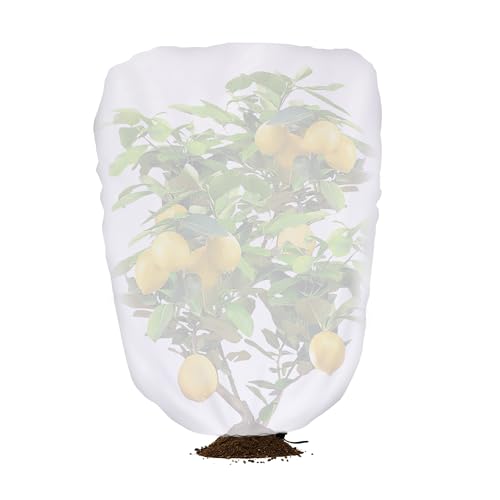
Full Spectrum White Light Refraction: Our shade cover for garden can not only effectively block strong direct sunlight, prevent extreme high temperature and sun damage to plants, but also meet the sunlight needed by plants, refraction full spectrum white light, so that your plants get balanced daylight.
Care Practices for Wind-Resistant Fruit Trees
Selecting fruit trees that can withstand the unique challenges of Wichita’s climate requires careful attention to their care practices. Proper maintenance not only enhances their resilience against high winds and heat but also ensures a fruitful harvest. Understanding the specific needs of these trees will help gardeners cultivate a thriving orchard in this demanding environment.
Planting fruit trees in Wichita requires attention to care practices that enhance their resilience. Proper staking and pruning can significantly improve stability and fruit production.
Supporting Young Trees in High Winds
Supporting young trees in high winds is crucial for their survival and growth, especially in areas like Wichita, KS, where weather conditions can be challenging. Proper techniques and materials can help stabilize these young plants, ensuring they develop strong root systems and withstand the elements. Understanding how to protect them during their formative years will lead to healthier, more resilient trees.
Staking young trees helps provide support against strong winds. Use flexible ties to avoid damaging the bark.
Pruning Strategies for Resilient Fruit Trees
Pruning is essential for maintaining the health and productivity of fruit trees, especially in challenging climates like Wichita, KS. Effective pruning strategies not only enhance fruit quality but also improve wind and heat resistance, ensuring that trees thrive despite environmental stressors. Understanding the best techniques can lead to a more resilient and fruitful orchard.
Regular pruning encourages strong branching and improves air circulation. Focus on removing dead or weak branches to promote healthy growth.
Fruit Tree Selection for Wichita Conditions
Selecting the right fruit trees for Wichita’s unique climate is essential for successful cultivation. With high winds and intense heat, choosing varieties that can withstand these challenges will ensure a fruitful harvest. This section highlights the best fruit tree options suited to thrive in Wichita’s conditions, focusing on resilience and productivity.
Choosing the right fruit trees for Wichita involves understanding local climate conditions. Select varieties that demonstrate high wind and heat resistance to ensure a fruitful harvest.
