

Mango trees can thrive in pots in Nebraska with proper protection from wind. Utilizing sturdy containers and strategic placement will help ensure their growth and fruit production despite challenging weather conditions.
Choosing the Best Container for Mango Trees
Selecting the right container for mango trees is crucial, especially in Nebraska’s windy climate. A well-chosen pot not only supports healthy growth but also provides stability against harsh weather conditions. Understanding the characteristics of different containers can help ensure your mango tree thrives despite the challenges posed by the environment.
Choosing the appropriate container is crucial for mango trees in Nebraska. A large, sturdy pot provides stability and room for root growth. Consider the following factors when selecting a pot:
Material: Opt for heavy materials like ceramic or concrete to withstand wind.
Size: Choose a pot with at least a 20-gallon capacity to accommodate the roots.
Drainage: Ensure the pot has ample drainage holes to prevent waterlogging.
| Pot Material | Weight | Drainage Capability |
|---|---|---|
| Ceramic | Heavy | Excellent |
| Plastic | Light | Moderate |
| Concrete | Very Heavy | Excellent |
Wind Protection Strategies for Potted Mango Trees
Mango trees, while tropical in nature, can thrive in pots even in Nebraska’s challenging climate. Protecting these delicate plants from the strong winds that often sweep through the region is essential for their growth and health. Implementing effective wind protection strategies can ensure that your potted mango trees flourish despite the elements.
Wind can severely damage mango trees, especially when they are young. Implementing protective measures will help maintain their health. Here are key strategies:
Windbreaks: Use fencing or tall plants to create barriers against strong winds.
Staking: Secure the tree with stakes to prevent tipping during storms.
Placement: Position pots near walls or buildings for additional shelter.
Recommended Products

The Large plant cover is perfect for Plant size 55''-70"high and 84''-94" round, Heavy-weight FRCs (1.77oz./sq. yard): usually used to extend the growing season in spring and fall, allow 40%-60% light transmittance, and recommend 3°-8°F of freeze protection


The small plant cover is perfect for Plant size 16''-23"high and 36''-46" round, Heavy-weight FRCs (1.77oz./sq. yard): usually used to extend the growing season in spring and fall, allow 40%-60% light transmittance, and recommend 3°-8°F of freeze protection
Wind Resistance Factors for Potted Mango Trees
When growing mango trees in pots in Nebraska, understanding wind resistance is crucial for their survival. The state’s variable weather conditions can pose significant challenges, particularly from strong winds. This section explores the factors that influence the wind resistance of potted mango trees, helping gardeners protect their plants effectively.
Mango trees have varying levels of wind resistance based on their age and size. Young trees are more vulnerable, while mature trees can withstand more. Consider the following:
Young Trees: Require more protection and should be staked.
Mature Trees: Can tolerate winds but still benefit from strategic placement.
Seasonal Strategies for Potted Mango Trees
Potted mango trees require careful attention to seasonal changes, especially in Nebraska’s unpredictable climate. Adapting your care routine throughout the year can significantly enhance their resilience against wind and temperature fluctuations. Understanding these seasonal strategies is essential for ensuring the health and productivity of your mango trees in a pot.
Seasonal care is essential for the health of mango trees in pots. Each season presents unique challenges and opportunities for growth.
Spring: Fertilize with a balanced slow-release fertilizer to promote growth.
Summer: Water regularly to prevent stress during hot months.
Fall: Prepare for winter by reducing watering and moving pots to sheltered areas.
Winter: Protect from freezing temperatures by insulating pots with burlap or foam.
Mango Tree Care: Fertilization and Watering Tips
Caring for mango trees in pots requires attention to specific fertilization and watering techniques, especially in Nebraska’s unique climate. Proper nutrient management and watering practices are essential for promoting healthy growth and ensuring these tropical plants thrive despite the challenges posed by wind and temperature fluctuations. Understanding these aspects will help you cultivate robust mango trees in your home garden.
Proper fertilization and watering are vital for mango tree health. Follow these guidelines for optimal results:
Fertilization: Use a high-potassium fertilizer to encourage fruiting.
Watering: Water deeply but infrequently to encourage root depth.
| Season | Fertilization | Watering Frequency |
|---|---|---|
| Spring | Balanced Fertilizer | Weekly |
| Summer | High-Potassium Fertilizer | Twice Weekly |
| Fall | Reduced Fertilizer | Biweekly |
| Winter | None | Monthly |
Common Challenges for Potted Mango Trees
Potted mango trees can thrive in Nebraska, but they face unique challenges due to the region’s climate and environmental conditions. Wind exposure, temperature fluctuations, and limited root space can hinder their growth and fruit production. Understanding these common challenges is essential for successful cultivation and protection of these tropical plants in a less-than-tropical setting.
Potted mango trees can face several challenges. Recognizing symptoms early can lead to effective solutions. Common issues include:
Leaf Drop: Often caused by stress from wind or improper watering.
Pest Infestation: Check for signs of aphids or scale insects.
Root Rot: Ensure proper drainage to prevent this issue.
Mango Tree Wind Protection Solutions
Mango trees can thrive in pots even in Nebraska, but their delicate nature makes them vulnerable to strong winds. Implementing effective wind protection solutions is essential for ensuring the health and stability of these tropical plants. This section explores various strategies to safeguard potted mango trees from the harsh elements while promoting their growth.
Use this quick guide to address common problems effectively.
| Symptom | Primary Suspect | Difficulty Level |
|---|---|---|
| Leaf Drop | Stress or Watering | 2 |
| Pest Infestation | Aphids or Scale | 3 |
| Root Rot | Poor Drainage | 4 |
Mango Tree Care for Windy Conditions
Caring for mango trees in Nebraska’s windy conditions requires specific strategies to ensure their health and growth. Understanding how to protect these tropical plants from harsh winds is essential for successful cultivation. The following tips will help you maintain your mango trees and shield them from the elements.
To ensure the success of mango trees in pots, focus on stability, protection, and proper care. Regular monitoring and adjustments based on seasonal changes will lead to healthy trees.
Wind protection is critical for the longevity of your mango trees. Implement these strategies to safeguard your investment and enjoy fruitful harvests.
Recommended Products

Natural Organic Tree Ring: These tree mulch rings are made of natural coconut fiber, which is very thick, the fiber is evenly distributed, and sturdy, it can keep the soil moisture in the pot well, they can also prevent weeds from growing arbitrarily

6.5x8.5 FT FRUIT NETTING IN 1 PACK! Featuring a diameter of 4.13 FT and a circumference of 13 FT. Be sure to measure your plant or pot before selecting the size. We recommend ordering one size larger than expected for better coverage.
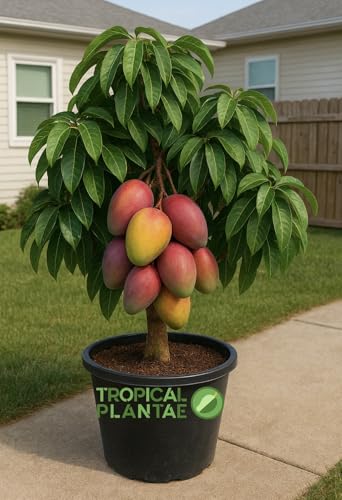
Imagine stepping into your backyard a few months from now and seeing a beautiful grafted Haden mango tree, growing stronger every day — a tree that will soon reward you with one of the most classic, flavorful mangoes ever grown.
