

Fig trees can grow in New Mexico, but specific conditions must be met for successful cultivation. Understanding the unique climate and soil requirements of the high desert region is essential for thriving fig trees.
New Mexico Fig Tree Growth Conditions
Understanding the growth conditions for fig trees in New Mexico is essential for successful cultivation in this high-desert environment. The unique climate and soil characteristics present both challenges and opportunities for gardeners. This section explores the specific factors that influence the thriving of fig trees in this region.
New Mexico’s high-desert climate presents both challenges and opportunities for growing fig trees. The state experiences hot summers and cold winters, which can affect the growth cycle of figs. Proper site selection and care can mitigate these challenges.
Consider the following factors when assessing your location for fig tree cultivation:
Temperature extremes: Figs thrive in warmer climates but can be damaged by frost.
Soil drainage: Well-drained soil is crucial to prevent root rot.
Sunlight exposure: Full sun is necessary for optimal fruit production.
Recommended Products
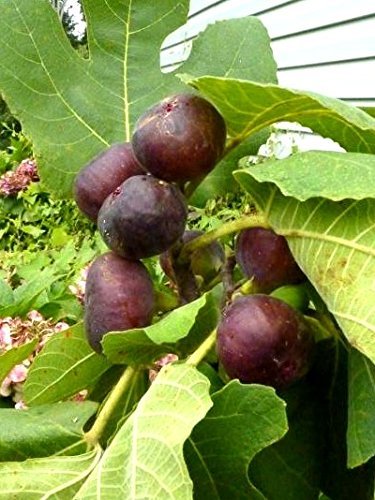
Includes Four Plants of "Chicago Hardy" Fig Trees with 4 Hello Organic Plant Tags. These are 2 inch rooted plants shipped in 2 inch tray pots and are 2-5 inches tall.

Fruit Production: Produces a harvest of sweet, rich figs suitable for fresh eating, baking, or preserving throughout the growing season

EXCEPTIONAL COLD HARDINESS – One of the toughest fig varieties, thriving in USDA Zones 5–10 and bouncing back after freezes.
Best Fig Tree Varieties for New Mexico
Choosing the appropriate fig tree variety is essential for success in New Mexico. Some varieties are more tolerant of heat and drought than others. Researching local climate conditions and selecting varieties suited to those conditions will yield the best results.
Here are some recommended fig tree varieties for New Mexico:
| Fig Variety | Heat Tolerance | Cold Hardiness | Fruit Size |
|---|---|---|---|
| Brown Turkey | High | Moderate | Medium |
| Celeste | Moderate | High | Small |
| Kadota | High | Moderate | Large |
| Adriatic | Moderate | Low | Medium |
Soil Preparation Techniques for Fig Trees
Preparing the soil is crucial for successfully growing fig trees in New Mexico’s high-desert environment. This section outlines effective techniques to enhance soil quality, ensuring that fig trees receive the nutrients and drainage they need to thrive in challenging conditions. Understanding these methods will help you create an optimal growing environment for your trees.
Soil preparation is a critical step in establishing healthy fig trees. The right soil conditions will promote strong root development and fruit production. Testing the soil for pH and nutrient levels can provide valuable insights.
Follow these steps to prepare your soil:
Test the soil: Use a soil testing kit to determine pH and nutrient levels.
Amend the soil: Based on test results, add organic matter or fertilizers to improve soil quality.
Ensure drainage: If the soil retains too much moisture, consider raised beds or mounding.
Irrigation Strategies for Fig Trees
Growing fig trees in New Mexico’s high desert requires careful attention to irrigation strategies due to the region’s arid climate and fluctuating temperatures. Effective watering techniques can help ensure that these trees thrive despite the challenges posed by limited rainfall and intense sun. Understanding the best practices for irrigation is essential for successful fig cultivation in this unique environment.
Proper watering practices are vital for fig trees, especially in arid regions. Fig trees require consistent moisture, particularly during the growing season. Overwatering can lead to root issues, while underwatering can stress the tree.
Implement these watering strategies:
Deep watering: Water deeply but infrequently to encourage deep root growth.
Mulching: Apply organic mulch around the base to retain moisture.
Drip irrigation: Consider using a drip irrigation system for efficient water delivery.
Pest and Disease Management for Fig Trees
Managing pests and diseases is crucial for the health of fig trees, especially in the unique climate of New Mexico. This section delves into common threats to fig trees in high-desert environments and offers practical strategies for prevention and treatment. Understanding these challenges will help ensure your fig trees thrive despite the region’s specific conditions.
Fig trees can be susceptible to various pests and diseases, which can hinder growth and fruit production. Regular monitoring and proactive measures can help protect your trees.
Common pests and diseases to watch for include:
Fig beetles: These can damage fruit. Use insecticidal soap for control.
Root rot: Caused by poor drainage. Ensure proper soil conditions.
Leaf spot: Fungal disease that can be treated with fungicides.
Optimal Fig Harvesting Timing
Understanding the optimal timing for harvesting figs is crucial for maximizing both flavor and yield in New Mexico’s unique high-desert climate. This section delves into the best practices for determining when to pick your figs, ensuring you enjoy the sweetest and most nutritious fruit possible. Timing can significantly impact your overall fig-growing success in this region.
Harvesting figs at the right time is crucial for optimal flavor and texture. Figs do not ripen after being picked, so timing is essential.
Follow these guidelines for harvesting:
Check ripeness: Figs should feel soft and slightly droop when ripe.
Handle gently: Use clippers to avoid damaging the fruit.
Store properly: Keep figs in a cool, dry place for short-term storage.
Fig Tree Care Strategies for New Mexico
Caring for fig trees in New Mexico’s unique high-desert climate requires specific strategies to ensure their health and productivity. With fluctuating temperatures and varying moisture levels, understanding the best practices for planting, watering, and protecting these trees is essential for successful growth. This section outlines effective care techniques tailored to the region’s conditions.
Growing fig trees in New Mexico can be rewarding with the right approach. Monitor local weather patterns and adjust care practices accordingly. Be prepared for potential challenges but remain committed to nurturing your trees.
Avoid planting in areas prone to frost damage.
Embrace the unique growing conditions of New Mexico for successful fig cultivation.
