

Have you ever wondered if one tree can really produce different types of fruit? Imagine walking through an orchard and spotting a single tree bursting with apples, pears, and even cherries. It sounds like something out of a fairy tale, but it’s actually possible through a process called grafting.
Key Takeaways
- Grafting Techniques: Grafting enables a single tree to produce various fruits by combining different plant segments, creating remarkable fruit diversity in orchards.
- Methods of Grafting: Various methods such as whip and tongue, cleft, bark, side grafting, and T-budding each have unique advantages for different tree types and desired outcomes.
- Genetic Compatibility: Successful grafting is highly dependent on genetic compatibility between the rootstock and scion, influencing the tree’s ability to produce diverse fruits.
- Real-World Examples: Multi-fruit trees, like the Fruit Salad Tree and citrus varieties, showcase the practical application and benefits of grafting in creating a diverse harvest.
- Maintenance Considerations: Multi-fruit trees may require more care than single-fruit varieties, including regular pruning and monitoring for optimal growth and fruit production.
- Benefits of Multi-Fruit Trees: Growing these trees maximizes space, enhances biodiversity, and contributes to a sustainable environment by attracting diverse pollinators and maintaining soil health.
Understanding Grafting Techniques
Grafting allows a single tree to produce various types of fruit by combining different plant segments. This technique enables remarkable fruit diversity in orchards.
Recommended Products

TREE GRAFTING TOOL - Efficiently prepare scion shoots and understock for grafting with our handy garden tool. This standard manual grafting tool can be used to cut stock up to 1/2” in diameter and comes with an excellent illustrated instruction manual.

【Surgical-Precision Grafting Tools】 Crafted with Japanese SK5 High-Carbon Steel blades (HRC 58-60 hardness) and ergonomic ABS handles, our 2-in-1 pruner delivers clean cuts up to 1/2" diameter branches. Dual-edge Ω/U/V blades prevent stem crushing, boosting grafting success rates by 40%* (*lab test data).

PROFESSIONAL GARDENING GRAFTING TOOLS: Including 2 in 1 grafting pruning tools, 3 replaceable blades, a grafting knife, a screwdriver, a wrench, 2 grafting films, 160 rubber bands, 40 wide rubber bands, and 50 colorful tag cards
Definition of Grafting
Grafting involves joining a rootstock with a scion, the part that produces fruit. The rootstock provides stability and nutrients. The scion brings the desired fruit variety. Successful grafting leads to the development of a strong tree capable of bearing multiple fruits.
- Whip and Tongue Grafting: This method consists of making complementary cuts on both the rootstock and scion. The sections fit together, promoting better healing and growth. It’s effective for young trees.
- Cleft Grafting: This involves splitting the rootstock and inserting one or more scions into the cleft. This method works well when changing varieties on mature trees.
- Bark Grafting: This technique requires the cambium layer of the rootstock to remain intact. The scion slips under the bark, allowing for good nutrient exchange. It’s useful for larger branches and older trees.
- Side Grafting: This method involves placing the scion on the side of the rootstock. It’s straightforward and often used in nursery settings to propagate fruit trees.
- T-budding: In this method, a bud from the scion is inserted into a T-shaped cut on the rootstock. This grafting technique ensures faster fruit production and is commonly used for stone fruits.
These methods provide options to create diverse fruit-bearing trees, allowing for more flavorful and varied harvests in your garden.
The Science Behind Fruit Variety
Grafting enables a single tree to produce various fruits. This process relies heavily on genetic compatibility and species interactions.
Genetic Considerations
Genetics play a critical role in grafting success. Trees share genetic material through the scion and rootstock. If the genetic makeup aligns properly, the tree can produce fruit from different species. For example, certain apple varieties can graft onto crabapple rootstocks. The traits of the scion often determine the fruit’s flavor and appearance. So, understanding the genetics of your trees helps ensure a successful outcome.
Compatibility of Different Species
Not all species graft easily. Compatibility is essential for successful grafting. Different species within the same genus often thrive together, while others may struggle. For instance, peaches and plums can be grafted together, leading to a mix of flavors in a single tree. Researching compatibility tables can guide your choices. Seek rootstocks that are compatible with your desired fruit variety for optimal growth and fruit production.
Real-World Examples
Many trees produce multiple types of fruit through grafting, showcasing the amazing potential of this horticultural technique. Here are notable real-world examples of multi-fruit trees.
Recommended Products

Mature Tree Size: Reaches a mature height of approximately 12-15 feet, making it manageable for home gardens while still providing abundant fruit production
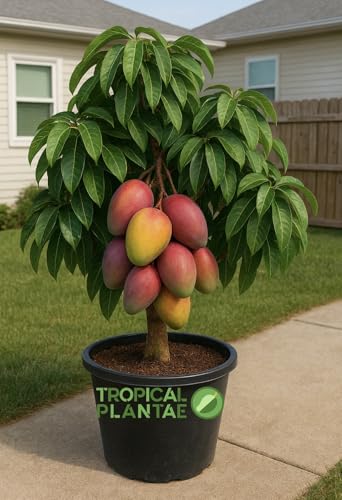
Imagine stepping into your backyard a few months from now and seeing a beautiful grafted Haden mango tree, growing stronger every day — a tree that will soon reward you with one of the most classic, flavorful mangoes ever grown.

MULTIPLE FRUITS ON ONE YOUNG TREE: Enjoy the excitement of growing different fruit varieties on a single Fruit Cocktail Tree! This live, multi-grafted fruit tree can produce a combination of peaches, plums, nectarines, and apricots. Each graft contributes to a unique home-growing experience, with specific varieties depending on the tree supplied.
Successful Cases of Multi-Fruit Trees
- The Fruit Salad Tree: This tree combines up to six different stone fruits, including cherries, peaches, and apricots. The unique blend creates an exciting variety for gardeners and fruit lovers.
- Citrus Trees: Citrus trees, like the “Citrus tree of many fruits,” can produce oranges, lemons, limes, and grapefruits when different scions are grafted onto a compatible rootstock. This approach diversifies harvests and enhances flavor profiles.
- The Apple-Pear Tree: Through grafting, some apple varieties can coexist with pears on the same tree. This setup not only maximizes space but also allows for a diverse selection of fruits from one trunk.
- Genetic Compatibility: Not all trees can be grafted together. Genetic mismatches can lead to fails. Researching compatibility is crucial.
- Maintenance: Multi-fruit trees often require more care than single-fruit varieties. Regular pruning and monitoring ensure they thrive.
- Fruiting Consistency: Some grafted varieties may not produce fruit every season. Factors such as climate and tree health play a role in fruit yield.
- Growth Patterns: Different fruits grow at varying rates and may affect overall tree structure. Combining diverse fruits might lead to uneven growth and harvesting challenges.
Grafting offers an exciting way to create diverse fruit options, but understanding its limits enhances your success in the garden.
Benefits of Growing Multi-Fruit Trees
Growing multi-fruit trees provides several benefits that can enhance your gardening experience and contribute to a sustainable environment.
Recommended Products

Let our professionally formulated plant food help your fruit tree grow healthy, strong AND abundantly producing

Down to Earth Fruit Tree is a five pound box of all natural fertilizer with 6-2-4 formula and is listed by the Organic Materials Review Institute (OMRI) for use in organic production

These are ready to plant and should be put in the ground according to the included instructions upon arrival. All pictures are of fully grown plants. Sizes shipped are in the title and description. Deciduous plants do not have leaves in the winter.
Space Efficiency
Utilizing limited space effectively becomes easy with multi-fruit trees. One tree allows for multiple fruit varieties, eliminating the need for several individual trees. This setup maximizes your garden’s productivity. For instance, a single tree may produce peaches, plums, and cherries, saving valuable ground while also reducing maintenance tasks. Consider creating a compact fruit garden, ideal for urban settings or small yards.
Biodiversity and Sustainability
Cultivating multi-fruit trees boosts biodiversity in your garden. Different fruit types attract various pollinators and beneficial insects, promoting a healthier ecosystem. This diversity helps prevent disease, as pests may struggle to thrive when multiple species coexist. Additionally, the varied root systems can improve soil health by preventing erosion and supporting nutrient uptake. Planting a combination of fruit varieties encourages a balanced environment, making your garden more resilient against pests and diseases. Aim for a harmonious blend of compatible fruit types for the best results.
Conclusion
Imagine stepping into your garden and picking a juicy peach from one branch and a crisp apple from another. With grafting you can make this dream a reality. It’s not just about producing different fruits; it’s about creating a vibrant ecosystem right in your backyard.
By understanding the science behind grafting and the importance of genetic compatibility you can enjoy a variety of flavors while maximizing your space. Plus you’ll attract more pollinators and create a healthier garden environment.
So whether you’re a seasoned gardener or just starting out consider adding a multi-fruit tree to your landscape. It’s a fun and rewarding way to experience the magic of nature.
Frequently Asked Questions
What is grafting in horticulture?
Grafting is a horticultural technique where two plant parts, a rootstock and a scion, are joined together to grow as one. The rootstock provides stability and nutrients, while the scion contributes the desired fruit variety. This method allows a single tree to produce multiple types of fruit.
What are the benefits of grafting multiple fruit varieties?
Grafting multiple fruit varieties onto one tree maximizes garden productivity and reduces maintenance. It allows for space efficiency, requiring less room for multiple trees while attracting diverse pollinators and beneficial insects, thus promoting a healthier ecosystem.
What techniques are used for grafting?
Common grafting techniques include whip and tongue grafting, cleft grafting, bark grafting, side grafting, and T-budding. Each method has its applications and benefits, enabling the successful combination of different fruit varieties onto a single tree.
How does genetic compatibility affect grafting?
Genetic compatibility is crucial for successful grafting. The shared genetic material between the rootstock and scion can determine whether the graft will take. Some species can thrive together, while others may not; for example, certain apple varieties can graft onto crabapple rootstocks, but peaches and plums may struggle to unite.
Can you give an example of a multi-fruit tree?
The Fruit Salad Tree is a popular example, combining up to six different stone fruits into a single tree. Other examples include citrus trees producing various fruits like oranges and lemons, or an Apple-Pear Tree that offers multiple fruit selections from one trunk.
What challenges might arise with multi-fruit trees?
Growing multi-fruit trees presents challenges such as inconsistent fruiting, varying growth patterns, and the potential for uneven growth. Additionally, harvesting can become difficult if fruiting is not uniform, requiring careful monitoring and maintenance practices.
