

Have you ever dreamed of picking fresh cherries right from your garden? If you live in the Philippines, you might be wondering if it’s even possible to grow a cherry fruit tree in the tropical climate. You’re not alone—many gardening enthusiasts are curious about this delicious fruit and its adaptability to different environments.
Key Takeaways
- Cherry Tree Varieties: The Philippines’ warm climate requires careful selection of cherry tree varieties, with tart cherries and heat-tolerant types being more suitable for successful growth.
- Climate Requirements: Cherry trees need winter chill temperatures (32°F to 45°F) for optimal fruiting; thus, gardening strategies like selecting low-chill cultivars and planting in higher altitudes may be necessary.
- Soil Conditions: Well-draining sandy loam or loamy soil with a pH between 6.0 and 7.0 is essential for cherry tree health, avoiding heavy clay that retains excess water.
- Pest Management: Regular monitoring for pests like aphids and fruit flies is crucial, along with using organic pest control methods to maintain tree health.
- Cultivation Practices: Successful cherry tree cultivation involves proper planting techniques, consistent watering, annual pruning, and ensuring adequate sunlight exposure for at least six hours daily.
- Harvest Monitoring: Pay close attention to fruit ripeness: sweet cherries turn dark when ripe, while tart cherries brighten in color, ensuring timely harvesting for the best flavor.
Overview of Cherry Fruit Trees
Cherry fruit trees belong to the Prunus genus and produce small, round fruits that are typically sweet or tart. These trees thrive in temperate climates, making their cultivation in tropical regions, like the Philippines, a challenge.
Types of Cherry Trees
- Sweet Cherry (Prunus avium): Sweet cherries are popular for fresh consumption. These trees require a cold winter chill to produce fruit.
- Tart Cherry (Prunus cerasus): Tart cherries are commonly used in cooking and baking. They also require chilling hours but are more adaptable than sweet varieties.
- Ornamental Cherry Trees: While they don’t produce edible fruit, ornamental varieties like the Yoshino and Kwanzan add beauty to landscapes, featuring stunning blossoms in spring.
Growing Conditions
Growing cherry trees requires specific conditions for success. Here are essential factors to consider:
- Climate: Cherry trees flourish in a climate with distinct seasons. They typically need winter chill temperatures between 32°F to 45°F for several weeks.
- Soil: Well-draining soil is crucial. Cherry trees prefer sandy or loamy soil with a pH between 6.0 and 7.0.
- Space: Plant trees 20 to 30 feet apart to allow for their full growth and development.
Potential Challenges
- Temperature: The Philippines’ warm climate poses challenges, especially during summer. You might need to find shaded areas to protect young trees.
- Pests: Common pests like aphids and fruit flies can affect your trees. Regular monitoring and organic pest control can help mitigate these issues.
- Watering: Cherry trees need consistent moisture but don’t tolerate soggy soil. Water them deeply but infrequently.
- Choose the Right Variety: Opt for more heat-tolerant varieties or tart cherries.
- Provide Winter Chill: Consider using cold storage for seedlings or planting them in higher altitudes where temperatures drop.
- Regular Pruning: Prune trees during the dormant season to promote airflow and reduce disease risk.
- Watch for Pests: Implement integrated pest management practices, including beneficial insects like ladybugs.
- Harvest Timing: Monitor fruit ripeness closely. Sweet cherries turn dark and flavorful when ripe, while tart cherries brighten in color.
By understanding these elements, you can explore the possibilities of growing your cherry fruit tree in the Philippines successfully.
Climate Requirements for Cherry Trees
Cherry trees thrive in specific climate conditions that may differ from the tropical environment in the Philippines. Understanding these requirements helps you assess the feasibility of growing cherry trees in your area.
Temperature Needs
Cherry trees require a distinct temperature range to produce fruit successfully. Most varieties need a chilling period with temperatures between 32°F and 45°F (0°C to 7°C) for at least 1,000 hours during winter. If temperatures remain too warm, cherry trees may experience poor fruiting or flowering. In the Philippines, select shorter varieties that require less chilling time and monitor local temperatures closely to ensure they fall within the acceptable range.
Humidity Considerations
Humidity influences cherry tree health and fruit production. Ideal relative humidity for cherry trees ranges from 40% to 60%. Excessively high humidity can foster fungal diseases, while low humidity may hinder growth. When growing in the Philippines, consider using well-draining soil to manage moisture levels effectively. Incorporating proper air circulation around the trees helps minimize humidity-related issues and promotes overall plant health.
Soil Conditions in the Philippines
Understanding soil conditions is crucial for growing cherry fruit trees in the Philippines. The right soil type and pH level significantly influence the health and productivity of these trees.
Ideal Soil Types
Cherry trees thrive in well-draining soil. Sandy loam is often the best choice since it allows for good drainage and aeration. You can also consider loamy soil, which balances moisture retention and drainage. Avoid heavy clay soils as they retain too much water, potentially leading to root rot. If you’re starting a garden, test the soil to ensure it meets these drainage criteria before planting your cherry trees.
Soil pH Levels
Cherry trees prefer a slightly acidic to neutral soil pH, ideally between 6.0 and 7.0. Testing your soil pH can be done with a simple kit available at garden centers. If the pH is too low, you can add lime to raise it. Conversely, if it’s too high, adding sulfur can bring it down. Maintaining the right pH helps ensure your cherry trees absorb nutrients effectively, impacting their growth and fruit production.
Suitable Cherry Varieties for the Philippines
Various cherry varieties thrive in specific conditions, making some more suitable for the Philippines’ climate. Understanding these options enhances your chances of successful cultivation.
Recommended Products
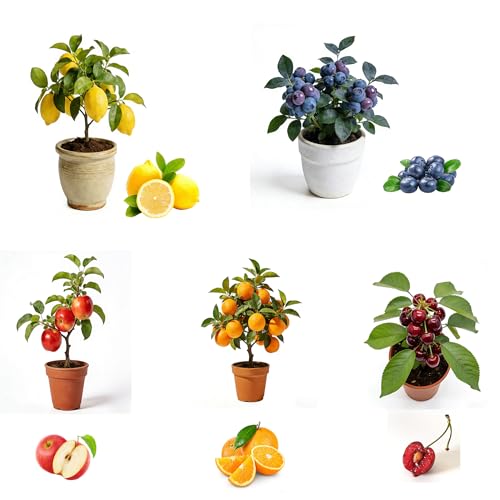
Five Popular Fruit Varieties: This comprehensive collection includes 40 Lemon, 40 Apple, 20 Cherry, 40 Orange, and 20 Blueberry seeds. Grow your own diverse indoor fruit garden with this all-in-one kit, perfect for creating a productive and ornamental container garden on your patio or indoors

4 kinds of the most popular fruits, individually packaged, 50pcs Lemon seeds 50pcs Cherry seeds 50pcs Orange seeds 50pcs Apple seeds Fresh seeds, all fruit seeds are packed in tear and moisture resistant zipper sealed bags for your long term storage.
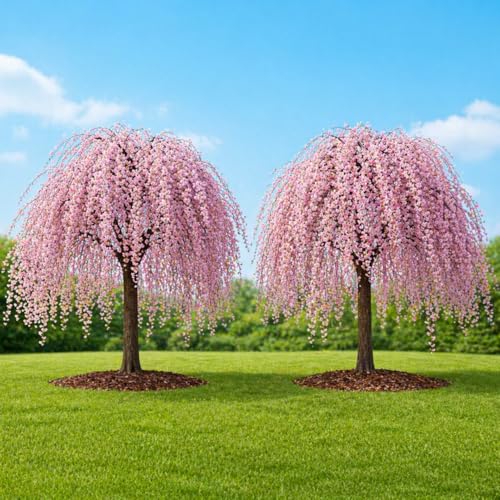
WHAT YOU WILL RECEIVE: 2 Cherry blossom tree live plant approximately 6 - 12 inches tall, prepared for transplanting into garden soil or outdoor containers
Sweet Cherry Varieties
Sweet cherries require distinct climate conditions, yet certain varieties adapt better to warmer areas. Consider these options:
- Bing Cherry: Native to the Pacific Northwest, this variety needs a chill period but produces large, dark red fruits. It’s essential to look for low-chill cultivars specifically bred for warmer climates.
- Rainier Cherry: This cultivar features a firm texture with a sweet flavor. It performs well in areas with moderate winters, so a careful selection process for low-chill types is crucial.
- Black Tartarian Cherry: Known for its dark coloration and sweet taste, this variety can adapt to slightly warmer regions, offering a juicy end product for enthusiasts.
Sour Cherry Varieties
Sour cherries perform well in diverse climates, including tropical environments. The following varieties are worth considering:
- Montmorency Cherry: This popular cooking cherry can tolerate warmer temperatures and provides brightly colored, tart fruits. It’s known for its adaptability and flavor.
- Early Richmond: A hardy variety that thrives in various soil types. This cherry produces small, tangy fruits preferred for making pies and preserves.
- North Star Cherry: Suitable for warmer climates, this compact tree yields flavorful cherries. Its sweet-tart balance makes it a great choice for fresh eating or culinary uses.
Choosing the right cherry variety significantly impacts your gardening success. Focus on selecting low-chill options and ensure that local conditions align with the requirements of your chosen varieties.
Cultivation Tips for Growing Cherry Trees
Growing cherry trees in the Philippines requires careful planning and management. Focus on specific techniques and practices to increase your chances of success.
Recommended Products

Control diseases and insects in your garden with Captain Jack’s Fruit Tree Spray Concentrate! Use on a variety of listed fruits, nuts and citrus plants.

Control diseases and insects in your garden with Captain Jack’s Fruit Tree Spray Concentrate! Use on a variety of listed fruits, nuts and citrus plants.

Kills Fruit Flies, Gnats, Flies & Mosquitoes - Zevo Flying Insect Killer Spray is made to kill common flying insects on contact, including fruit flies, gnats, house flies, and mosquitoes, making it an easy bug spray for use around your home.
Planting Techniques
- Choose the Right Time: Plant cherry trees in early spring or late fall during cooler weather.
- Select a Sunny Spot: Ensure the planting site receives at least six hours of direct sunlight daily.
- Prepare the Soil: Work sandy loam into the planting hole for good drainage and aeration. Aim for a soil pH between 6.0 and 7.0.
- Dig the Hole: Create a hole that’s twice as wide as the root ball and just as deep. Loosen the soil at the sides to promote root growth.
- Spacing: Space trees at least 20 feet apart to allow for air circulation and growth.
- Watering: Water young trees weekly, adjusting for rainfall. Use deep watering techniques to encourage root development.
- Fertilizing: Apply a balanced fertilizer in early spring. Choose one that’s low in nitrogen.
- Pruning: Prune annually to maintain shape and remove dead or weak branches, ideally in late winter. Aim for an open center to improve airflow.
- Pest Monitoring: Regularly check for pests like aphids and cherry fruit fly. Use organic pesticides if necessary.
- Winter Preparation: Protect trees during the dry season with mulch and monitor for signs of stress due to heat. Ensure they receive adequate moisture.
By following these cultivation tips, you’ll create a healthy environment for your cherry trees to thrive in the Philippine climate.
Conclusion
Growing cherry fruit trees in the Philippines is definitely a challenge but it’s not impossible. With the right selection of low-chill varieties and careful attention to their specific needs you can create a thriving cherry orchard in your backyard.
By understanding the essential conditions for growth and implementing practical tips you can enjoy the beauty and sweetness of cherries even in a tropical climate. So if you’re ready to take on this rewarding gardening adventure don’t hesitate to give it a try. Your efforts could lead to a delightful harvest of fresh cherries that you can savor or share with friends and family. Happy gardening!
Frequently Asked Questions
Can cherry trees grow in the Philippines’ tropical climate?
Yes, cherry trees can grow in the Philippines, but they require careful selection of low-chill varieties. The right conditions, including well-draining soil and seasonal temperature management, are essential.
What are the best cherry tree varieties for the Philippines?
Suitable varieties include sweet cherries like Bing, Rainier, and Black Tartarian, along with sour cherries like Montmorency and Early Richmond. These varieties adapt well to the local climate.
How much winter chill do cherry trees need?
Cherry trees typically need between 1,000 to 1,200 chilling hours at temperatures from 32°F to 45°F (0°C to 7°C). Choosing shorter varieties can help reduce this requirement.
What soil conditions are ideal for cherry trees?
Cherry trees prefer sandy loam soil for good drainage and aeration, with a pH level between 6.0 and 7.0. Avoid heavy clay soils that retain too much moisture.
How should I care for young cherry trees?
Water young cherry trees weekly, apply a balanced fertilizer low in nitrogen, and ensure they receive at least six hours of sunlight daily. Annual pruning and pest monitoring are also crucial.
What challenges should I expect when growing cherries in the tropics?
Challenges include temperature extremes, humidity management, pests, and ensuring adequate winter chilling. Proper planning and monitoring can help mitigate these issues.
When is the best time to plant cherry trees?
The best time to plant cherry trees in the Philippines is early spring or late fall. This allows them to establish roots and adapt to local climate conditions effectively.
