

Have you ever dreamed of plucking fresh mangoes right from your backyard? If you’re thinking about planting a mango tree, you might be wondering how long it’ll take before you can enjoy those sweet, juicy fruits. It’s a common question for anyone eager to cultivate this tropical delight.
Key Takeaways
- Time to Fruiting: Grafted mango trees typically bear fruit in 3 years, while seed-grown trees take 5 to 7 years to produce fruit.
- Ideal Conditions: Mango trees thrive in warm climates, require full sunlight (6-8 hours daily), and prefer well-drained, loamy soil with a pH of 5.5 to 7.5.
- Care Practices: Regular watering (1 to 2 inches per week) and balanced fertilization every 4 to 6 weeks are essential for healthy growth and fruiting.
- Pruning Importance: Pruning mango trees improves airflow and encourages stronger branches, which can lead to increased fruit yield.
- Environmental Factors: Conditions such as climate, soil quality, and sunlight exposure significantly impact the time it takes for mango trees to fruit.
Understanding Mango Trees
Mango trees are tropical plants that thrive in warm climates. Understanding their characteristics and needs can help you grow a fruitful tree.
Types of Mango Trees
Several types of mango trees exist, each with unique traits. Here are a few popular varieties:
- Haden: Known for its sweet, juicy flavor and vibrant color.
- Tommy Atkins: This variety is resilient, often found in stores, and has a mild taste.
- Kent: Offers rich sweetness and has minimal fiber.
- Alphonso: Famous for its exceptional flavor and aroma, primarily grown in India.
- Palmer: Known for its elongated shape and tropical taste.
Selecting the right variety depends on your climate and taste preferences.
Ideal Growing Conditions
Mango trees prefer specific conditions for optimal growth. Here are the key factors:
- Sunlight: Full sun exposure for at least 6-8 hours daily encourages healthy growth.
- Soil: Well-drained, loamy soil with a pH of 5.5 to 7.5 is ideal.
- Water: Young trees need regular watering, while mature trees require less; overwatering can cause root rot.
- Temperature: Mango trees thrive in temperatures between 70°F and 100°F (21°C and 38°C).
Provide these conditions to promote fruit production and enhance growth.
Factors Influencing Time to Fruit
Several factors impact how long it takes a mango tree to produce fruit. Understanding these can help you maximize your chances for a fruitful crop.
Recommended Products

🍋 Grows Delicious Fruits: With a balance of 6% nitrogen, 4% phosphorus and 6% potassium, Gardenwise’s 6-4-6 Citrus and Avocado Professional Fertilizer nourishes your indoor and outdoor trees with a high-quality blend of nutrients. You’ll love the incredible flavors!

CITRUS PLANT FOOD: This avacado, mango and citrus fruit tree fertilizer feeds plants for up to 3 months and nourishes above and below the soil

CITRUS PLANT FOOD: This avacado, mango and citrus fruit tree fertilizer feeds plants for up to 3 months and nourishes above and below the soil
Age of the Tree
Age plays a critical role in fruit production. Most mango trees start bearing fruit approximately 3 to 5 years after planting, depending on the variety and care provided. Younger trees generally won’t produce fruit as quickly, while mature trees, around 7 to 10 years old, yield significantly more fruit. Selecting a grafted tree, instead of seeds, can accelerate the wait time, with grafted trees often producing fruit within 3 years.
Environmental Conditions
Environmental conditions directly affect a mango tree’s growth and fruiting. Factors include:
- Climate: Mango trees thrive in warm, tropical climates. They prefer temperatures between 77°F and 95°F for optimal growth. In cooler areas, trees may take longer to fruit.
- Sunlight: Full sun enables better growth. At least 6 hours of direct sunlight per day ensures strong photosynthesis, which aids in fruit production.
- Soil Quality: Well-drained, loamy soil is essential. Poor drainage can stunt growth or lead to root rot, delaying fruiting. Soil pH should be between 5.5 and 7.5 for best results.
- Watering: Consistent watering is crucial. Overwatering and underwatering can both affect a mango tree’s health and ability to bear fruit. Aim for a balanced watering schedule that keeps the soil moist but not soggy.
You can enhance your mango tree’s chance of early fruiting by providing ideal environmental conditions. These elements work together to ensure your tree not only grows but also thrives and produces delicious mangoes.
General Timeline for Mango Trees to Bear Fruit
Mango trees typically take several years to bear fruit, but the exact timeline can vary based on various factors. Understanding these timelines helps you prepare for your future harvest.
Recommended Products
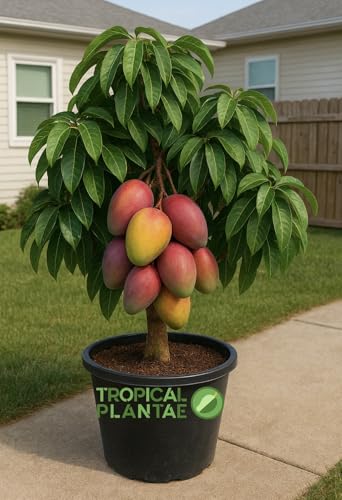
Imagine stepping into your backyard a few months from now and seeing a beautiful grafted Haden mango tree, growing stronger every day — a tree that will soon reward you with one of the most classic, flavorful mangoes ever grown.

No CA, Grafted Ice Cream Mango Tree: Known for its delicious, small, sweet, and creamy fruit, perfect for small spaces and tropical gardens. Thrives in Zones 10-11.

Not available in CA
Grafted vs. Seed-grown Trees
Grafted mango trees often produce fruit sooner than seed-grown trees. You can expect grafted trees to bear fruit within 3 years after planting. This quicker turnaround is due to their established genetics and selected traits. Seed-grown trees, however, usually take longer, often requiring 5 to 7 years to start producing fruit. Choosing a grafted variety can lead to an earlier and potentially more reliable harvest.
Approximate Timeframes
Here’s a quick overview of the timeframes for mango trees to bear fruit based on their type and conditions:
| Tree Type | Time to Fruit (Years) |
|---|---|
| Grafted Trees | 3 years |
| Seed-grown Trees | 5 to 7 years |
| Varietal Differences | 3 to 6 years |
You can see that environmental factors also impact these timelines. Providing optimal sunlight, drainage, and moisture can shorten the time to fruit, making your growing efforts more fruitful.
Care Tips for Promoting Fruit Production
Promoting fruit production in mango trees requires attention to several key care practices.
Recommended Products
Made for Mango Trees – Formulated to support healthy growth in mango and tropical fruit trees.

FORMULATED FOR CITRUS AND FRUIT TREES: Use these citrus fertilizer spikes on apple, orange, lemon, lime, and avocado trees; this formula is also great for feeding palm trees

Specially formulated for Citrus Plants & Trees
Watering and Fertilization
Water mango trees deeply, especially during dry periods. Aim for about 1 to 2 inches of water per week. Use well-draining soil to prevent root rot. During the growing season, apply a balanced fertilizer every 4 to 6 weeks. Look for fertilizers with a ratio like 10-10-10 or 8-4-8. Following this schedule, you can provide essential nutrients that support healthy growth and fruiting.
Pruning Techniques
Prune mango trees to promote an open canopy and improve airflow. Focus on removing dead or damaged branches. Trim back excess growth to maintain shape and size. Ideal timing for pruning is during the dry season, before the flowering period begins. Use clean, sharp tools to make precise cuts. By practicing good pruning habits, you can encourage stronger branches that bear more fruit.
Conclusion
Growing a mango tree can be a rewarding journey filled with anticipation. By understanding the timelines and factors involved you can set yourself up for success. Remember that patience is key as your tree matures and begins to bear fruit.
With the right care and conditions you’ll not only enjoy the beauty of the tree but also the sweet rewards of your hard work. So keep nurturing your mango tree and soon enough you’ll be savoring those delicious, juicy mangoes fresh from your own garden. Happy gardening!
Frequently Asked Questions
How long does it take for a mango tree to produce fruit?
Most mango trees will start bearing fruit within 3 to 5 years after planting. However, grafted trees can begin producing fruit as early as 3 years, while seed-grown trees may take 5 to 7 years.
What factors affect the time to harvest mangoes?
The time it takes for a mango tree to produce fruit is influenced by its age, the variety, and environmental factors such as climate, sunlight, soil quality, and watering practices. Providing optimal conditions can speed up fruit production.
What are the best growing conditions for mango trees?
Mango trees thrive in warm, tropical climates and require full sunlight, well-drained loamy soil, and proper watering practices. Ideal temperatures and moisture levels are essential for promoting healthy growth and fruit yield.
Which mango tree varieties are most popular?
Popular mango varieties include Haden, Tommy Atkins, Kent, Alphonso, and Palmer. Each variety has unique traits, and selecting the right one depends on climate conditions and personal taste preferences.
How often should I water my mango tree?
Water your mango tree deeply, providing 1 to 2 inches of water per week. Adequate moisture is crucial for healthy growth and fruit production, particularly in the warmer growing seasons.
How can I encourage my mango tree to produce more fruit?
To promote fruit production, ensure proper watering and fertilization. Apply a balanced fertilizer every 4 to 6 weeks and prune your tree to maintain an open canopy, which improves airflow and encourages flowering.
