

Growing nectarine trees in pots in Arkansas is feasible and rewarding with the right care. These trees thrive in containers when provided with proper sunlight, watering, and nutrients, making them a great option for small spaces.
Nectarine Tree Potting Essentials in Arkansas
Nectarine trees require specific conditions to flourish in pots. They thrive in well-draining soil and need at least six hours of sunlight daily. Choosing the right pot size is crucial for root development and overall health. A container that is at least 18-24 inches in diameter allows sufficient space for growth.
Recommended Products

Enriched with Organic Fertilizer – This lemon tree fertilizer provides nutrients for up to 6 months, so your citrus trees stay healthy and productive with minimal upkeep....
Essential Tools for Nectarine Tree Care
Caring for nectarine trees in pots requires the right tools to ensure healthy growth and fruit production. This section outlines the essential equipment and supplies needed for successful maintenance, making it easier for Arkansas gardeners to cultivate thriving trees in limited spaces. Discover how these tools can simplify your gardening experience and enhance the vitality of your nectarine trees.
Before starting, gather essential supplies. Having the right tools and materials ensures a smoother process. Here’s a checklist to help you prepare:
| Item | Purpose |
|---|---|
| Potting Soil | Provides nutrients and drainage |
| Container | Holds the tree and soil |
| Fertilizer | Supports growth and fruit production |
| Watering Can | Ensures proper watering |
| Pruning Shears | Maintains tree shape and health |
Pot Preparation for Nectarine Success
Proper preparation of the pot is vital for your nectarine tree’s success. Start by selecting a container with drainage holes to prevent waterlogging. Fill the bottom with a layer of gravel to enhance drainage. Next, add a quality potting mix that retains moisture yet drains well.
Recommended Products

Protect your oasis with 3 garden products in 1 from Captain Jack’s; Captain Jack’s Ready-to-Use Neem Oil spray for plants is a multi-purpose fungicide, insecticide and miticide for your lawn and garden

THE PESTS THAT LIVE ON HOUSEPLANTS - Fungus gnats rising off the soil, aphids on new growth, webbing under leaves from spider mites, whiteflies and mealybugs on the undersides. This is the concentrate for the recurring pests on indoor plants and garden beds.

Organocide is a nature-safe organic insecticide and fungicide effective on a wide variety of insects, mites etc
Pest Management for Potted Nectarines
Managing pests is crucial for the health of potted nectarine trees in Arkansas. Understanding common pests and implementing effective control strategies can help ensure your trees thrive. This section will explore practical tips for keeping your nectarine trees healthy and pest-free, allowing you to enjoy a bountiful harvest.
Maintaining your nectarine tree in a pot involves regular monitoring. Always check for pests and diseases, as container plants can be more susceptible. Use organic pesticides as needed and ensure your tree gets adequate sunlight.
Successful Planting Techniques for Nectarine Trees
Successfully planting nectarine trees in pots requires careful attention to specific techniques that cater to their unique needs. In Arkansas, where climate and soil conditions can vary, understanding the best practices for potting and positioning these trees is essential for thriving growth. This section outlines proven methods to ensure your nectarine trees flourish in a container environment.
Planting your nectarine tree requires careful execution to ensure its longevity. Follow these steps for successful planting:
Select a Healthy Sapling
Choose a nectarine sapling that is disease-free and well-rooted.Position the Sapling
Place the sapling in the center of the pot, ensuring the root ball sits level with the soil surface.Fill with Soil
Add potting soil around the roots, firming it gently to eliminate air pockets.Water Thoroughly
After planting, water the tree deeply to help settle the soil.Apply Fertilizer
Use a balanced fertilizer to promote healthy growth, following the package instructions.
Nectarine Tree Pot Watering and Fertilization
Proper watering and fertilization are crucial for the health and productivity of nectarine trees grown in pots, especially in Arkansas’s unique climate. Understanding the specific needs of these trees will help ensure they thrive, producing delicious fruit while minimizing maintenance efforts. This section will provide essential tips for effectively managing water and nutrients for your potted nectarine trees.
Nectarine trees in pots require consistent watering and nutrient management. Water when the top inch of soil feels dry, ensuring thorough saturation. Fertilize every 4-6 weeks during the growing season with a balanced fertilizer.
| Nutrient | Recommended Amount |
|---|---|
| Nitrogen | 1-2 pounds per year |
| Phosphorus | 0.5-1 pound per year |
| Potassium | 1-2 pounds per year |
Nectarine Tree Pruning for Optimal Health
Pruning is a crucial aspect of maintaining the health and productivity of nectarine trees, especially when grown in pots. In Arkansas’s unique climate, understanding the best practices for pruning can significantly enhance fruit quality and tree vigor. This section will explore effective pruning techniques tailored for potted nectarine trees, ensuring they thrive and yield abundant harvests.
Pruning is essential for maintaining the shape and health of your nectarine tree. Regular pruning encourages airflow and sunlight penetration. Here’s how to effectively prune your tree:
Remove Dead or Diseased Branches
Cut away any branches that appear unhealthy.Thin Out Crowded Areas
Ensure that branches are spaced adequately to promote growth.Shape the Tree
Trim to maintain a balanced shape, focusing on an open center for better light exposure.
Recommended Products

Adjustable and Durable Handle - Extendable Loppers: The lopping shears are adjustable from 16 inches to 24 inches, allowing you to handle tall branches easily. The iron arm is more sturdy and durable, and will not bend even when cutting large and thick branches.
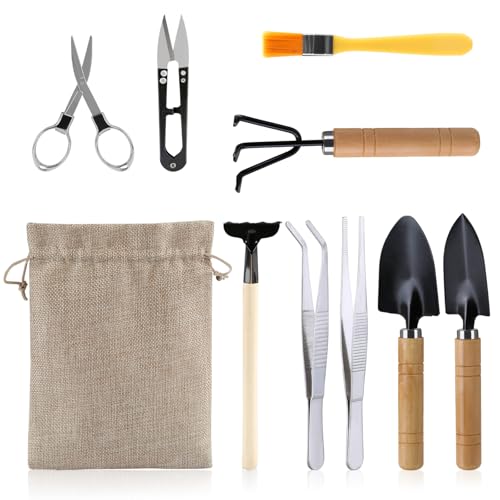
Basic Bonsai Kit - Provide the basic bonsai tools needed for each level of expertise at a savings over buying individual pieces

✂Multifunctional -2 in 1 Garden Grafting Tools-Professional grafting set allows you to pruning and grafting at the same time, saving more time and effort than traditional grafting methods, easy to use and more efficient. It allows you to trim away excess leaves and twigs and prepare the plants to be grafted. At the same time, you can make a precise cut into the grafting stock with the special grafting blade.
Container Tree Seasonal Maintenance Tips
Maintaining nectarines in pots requires careful attention to seasonal changes, especially in Arkansas’s varying climate. Understanding the specific needs of your container trees throughout the year can ensure healthy growth and fruitful harvests. This section provides essential tips for seasonal maintenance to keep your nectarine trees thriving.
Seasonal care is crucial for the health of your nectarine tree. In winter, protect the pot from freezing temperatures by wrapping it with insulation. During summer, ensure consistent watering and shade during extreme heat.
Pest and Disease Management for Nectarine Trees
Managing pests and diseases is crucial for the health of nectarine trees grown in pots, especially in Arkansas’s unique climate. Understanding common threats and implementing effective control measures can help ensure robust growth and fruit production. This section provides essential strategies to protect your nectarine trees from potential infestations and illnesses.
Regular monitoring for pests and diseases is essential for container-grown nectarine trees. Common pests include aphids and spider mites.
Use neem oil or insecticidal soap to manage infestations. Always inspect leaves and stems for signs of disease.
Critical Warning
Neglecting pest control can lead to severe damage to your tree.
Nectarine Tree Care Tips for Arkansas Pots
Caring for nectarine trees in pots can be a rewarding endeavor, especially in Arkansas’s unique climate. With the right techniques, you can ensure your trees thrive while minimizing maintenance efforts. This section provides essential tips tailored to help you nurture your potted nectarine trees successfully.
Growing nectarine trees in pots in Arkansas is achievable with the right approach. By following these maintenance secrets, you can enjoy healthy trees and delicious fruit.
