

Have you ever wondered why your mulberry tree isn’t producing any fruit? You’re not alone. Many gardeners face the frustration of nurturing a tree that seems to thrive but fails to bear the sweet rewards they expect.
Key Takeaways
- Mulberry Tree Maturity: Young mulberry trees typically take 3 to 5 years to bear fruit; ensure they receive proper care during this period.
- Environmental Factors: Mulberry trees require at least 6 hours of sunlight daily and thrive in well-drained, nutrient-rich soil with a pH between 6.0 and 7.0.
- Pollination: Some mulberry varieties need cross-pollination; plant compatible varieties nearby and attract pollinators with flowering plants.
- Soil and Nutrient Management: Conduct soil tests to check pH and nutrient levels; provide balanced fertilizers to correct nitrogen, phosphorus, and potassium deficiencies.
- Pruning and Maintenance: Prune during dormancy to enhance growth and fruiting; ensure proper watering practices to maintain soil moisture without causing root rot.
- Pest and Disease Monitoring: Regularly inspect your tree for pests like spider mites and scale insects, and address diseases promptly to ensure healthy fruit production.
Common Reasons for Mulberry Trees Not Fruiting
Mulberry trees might not produce fruit due to several factors. Understanding these reasons can help you troubleshoot and encourage healthy fruit production.
Lack of Maturity
Young mulberry trees often don’t fruit until they reach maturity. Generally, trees take 3 to 5 years to start producing berries. If your tree is younger than this, give it time. Ensure you’re providing proper care, such as watering and fertilizing, to support its growth.
Environmental Factors
Environmental conditions significantly influence fruiting. Factors like temperature and sunlight play crucial roles. Mulberry trees thrive in full sun, needing at least 6 hours daily. If your tree is shaded, consider relocating it. Soil quality matters too. Well-drained, nutrient-rich soil promotes healthy growth. Test your soil pH; it should ideally range from 6.0 to 7.0.
Pollination Issues
Pollination affects fruit set. While some mulberry varieties are self-pollinating, others need cross-pollination. If you’re growing a non-self-pollinating variety, plant another nearby. This can improve fruit production. Observe your tree during the blooming phase. If you see few bees or insects, the lack of pollinators may also hinder fruit set. Attract more pollinators by planting flowering plants nearby.
Soil and Nutrient Requirements
Soil quality and nutrient levels significantly impact your mulberry tree’s fruit production. Ensuring your tree has the right conditions fosters healthy growth and fruiting.
Recommended Products

Quick, at home results for Soil pH, Nitrogen, Phosphorous and Potash Innovative and inexpensive soil test kit features an easy-to-use capsule system and patented color comparators

KNOW BEFORE YOU GROW | Grow the healthiest, sustainable lawn and garden with the most accurate and easy to use professional soil test kit on the market

Kindly NOTE: This soil tester can not be applied to test pH value of any other liquid. If the soil is too dry the indicator will not move, and water it before testing.
Soil Quality
Mulberry trees thrive in well-draining, loamy soil with a pH between 6.0 and 7.0. Heavy clay or overly sandy soils can hinder root development. To improve soil quality, conduct a soil test. This test helps determine pH and nutrient levels. Amend the soil with organic matter like compost. Incorporating aged manure can also enhance soil structure and fertility. Aim for a mixture that allows water to flow while retaining some moisture.
Nutrient Deficiencies
Nutrient deficiencies can lead to poor fruit production. Key nutrients for mulberry trees include nitrogen, phosphorus, and potassium. Signs of a nitrogen deficiency include yellowing leaves and stunted growth. If you notice this, apply a balanced fertilizer with a higher nitrogen content in early spring.
For phosphorus, look for dark green leaves with a purple hue at the edges. If you observe this, a fertilizer high in phosphorus can stimulate root development and fruiting. Potassium helps strengthen cell walls and improve fruit quality. A potassium deficiency may manifest as browning leaf edges. Consider a fertilizer that balances these nutrients based on your soil test results.
Regularly monitor your tree’s health, adjusting fertilization as necessary. This approach helps ensure that your mulberry tree receives the nutrients it needs to produce fruit effectively.
Care and Maintenance Practices
Proper care and maintenance significantly impacts whether your mulberry tree bears fruit. Focus on the right pruning techniques and watering practices to boost your tree’s health.
Recommended Products

ULTRA SHARP - Much less effort to cut branches with our pruning shears. Crafted from premium SK5 steel with titanium coating, our garden scissors and garden clippers boast exceptional durability and sharpness. A perfect pruning shears for gardening and a must-have garden tool, hedge clippers pruners for gardening

· ULTRA-SHARP SK5 STAINLESS STEEL - Engineered with premium SK5 stainless steel, these heavy duty pruning shears deliver razor-sharp precision and maximum hardness. The rust-resistant blades are designed to stay sharp longer, effortlessly resisting corrosion and sap buildup for smooth, friction-free garden shears performance year after year.

DUAL CUTTING POWER: VERSATILE PRUNING COMBO --- With both Pruning Shears and Pruning Snip, this combo delivers unmatched versatility. Whether you're delicately trimming flowers and shrubs, tackling thicker tree branches, or tending to your vegetable and fruit garden, our combo pack excels in all areas. They're also perfect for landscaping projects and maintaining the health and appearance of indoor plants. With this pack, you have a versatile tool that simplifies your gardening tasks.
Pruning Techniques
Pruning promotes healthy growth and enhances fruiting. Aim to prune your mulberry tree during the winter dormancy period. Cut back dead or crossing branches to improve air circulation and light penetration.
- Remove Deadwood: Eliminate any branches that are dead or diseased. This encourages new growth.
- Thin Out Crowded Areas: Ensure that branches are spaced out for effective sunlight exposure. This helps with fruit production.
- Shape the Tree: Shape it to encourage upward growth. An open center allows for more light, which stimulates fruiting.
Regularly inspect your tree and adjust pruning methods based on its growth pattern.
Watering Practices
Water your mulberry tree correctly to support its fruiting ability. Soil moisture influences fruit set and overall health.
- Consistency is Key: Water deeply but infrequently. Aim for about 1 to 2 inches of water every week, especially during dry spells.
- Check Soil Moisture: Use your finger to assess the soil. If the top 2 inches are dry, it’s time to water.
- Avoid Overwatering: Ensure good drainage to prevent root rot. If the soil remains soggy, reduce watering frequency.
By adopting these care practices, you’ll create a favorable environment that encourages your mulberry tree to thrive and, ultimately, bear fruit.
Pests and Diseases
Pests and diseases can hinder the fruiting of your mulberry tree. Identifying these issues early helps protect your tree and encourages fruit production.
Recommended Products

INSECT KILLER: Fast-acting formula kills listed insects including aphids, Japanese beetles, caterpillars, whiteflies, and other listed pests on contact
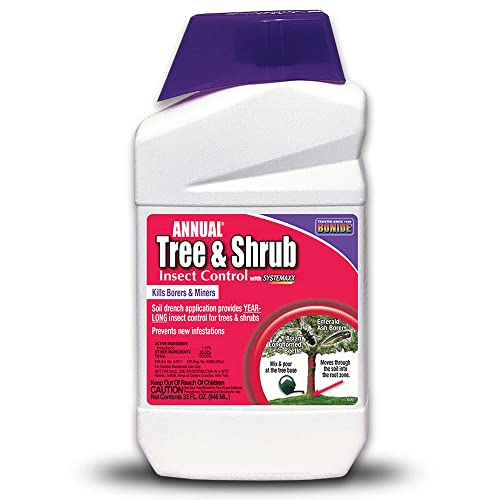
Kill borers, miners and more in your lawn and garden with Annual Tree & Shrub Insect Control Concentrate with Systemaxx from Bonide

KILLS LISTED FRUIT & CITRUS TREE INSECTS: Controls Asian Citrus Psyllid, Whiteflies, Aphids Thrips, Citrus Leafminers, Leafhoppers, Blackfly, Mealybugs, Scales, Avocado Lacebugs, Oriental Beetles, Flea Beetles, Sharpshooters, and Spittlebugs
Common Pests Affecting Mulberry Trees
- Mulberry Spider Mites: These tiny pests cause leaf discoloration and webbing. Monitor your tree regularly, as they multiply quickly in hot, dry conditions.
- Scale Insects: Scale insects appear as small, clustered bumps on stems and leaves. They suck sap, weakening the tree and reducing fruiting. Regularly inspect your tree for these pests.
- Leaf Miners: Leaf miners create winding trails inside the leaves, damaging foliage. Look for distorted leaves and remove affected ones if necessary to prevent infestations.
- Fruit Flies: Fruit flies lay eggs in ripe berries, leading to rotting. Harvest fruits regularly to reduce their presence. Proper sanitation helps keep your mulberry tree healthy.
- Fungal Infections: Look for yellowing leaves, wilting, or spots. Common diseases include powdery mildew and leaf spot. Improve air circulation and avoid overhead watering to combat these issues.
- Bacterial Blight: This disease causes dark, water-soaked spots on leaves and stems. Remove affected areas promptly to limit spread. Ensure proper care to enhance your tree’s resilience.
- Root Rot: Roots may rot in overly saturated soil, leading to stunted growth. Check soil drainage and avoid overwatering to prevent this problem.
- Canker Diseases: Cankers appear as sunken lesions on branches. Prune affected parts during dry weather to minimize spread. Keep trees healthy with regular maintenance, including proper watering and fertilization.
By monitoring for pests and diseases, you can maintain your mulberry tree’s health and encourage fruitful yields.
Conclusion
If your mulberry tree isn’t fruiting yet don’t lose hope. With a little patience and the right care your tree can thrive and eventually reward you with delicious berries. Keep an eye on its age environmental conditions and pollination needs.
Make sure you’re providing the right soil quality and nutrients to support its growth. Regular maintenance like pruning and proper watering can also make a significant difference.
Lastly stay vigilant against pests and diseases to keep your tree healthy. With time and attention your mulberry tree can become a fruitful addition to your garden.
Frequently Asked Questions
Why isn’t my mulberry tree producing fruit?
Mulberry trees generally take 3 to 5 years to begin fruiting. If your tree is younger than this, patience is key.
What environmental factors affect mulberry fruit production?
Temperature, sunlight, and soil quality significantly influence fruit production. Ensure the tree receives adequate sunlight and has well-draining soil.
Do I need more than one mulberry tree for fruiting?
Some mulberry varieties are self-pollinating, while others require cross-pollination. Planting compatible varieties or ensuring a healthy pollinator population can enhance fruiting.
How can I improve my soil for mulberry trees?
Mulberries thrive in loamy soil with a pH of 6.0 to 7.0. Conduct a soil test to assess nutrient levels and amend with organic matter like compost as needed.
What nutrients do mulberry trees need for optimal fruit production?
Key nutrients include nitrogen, phosphorus, and potassium. Regularly monitor soil nutrient levels and fertilize based on test results to provide necessary support.
How should I prune my mulberry tree?
Prune by removing deadwood, thinning crowded areas, and shaping the tree to improve light penetration, which promotes healthy growth and fruiting.
What watering practices are best for mulberry trees?
Deep but infrequent watering is best. Check soil moisture regularly to avoid overwatering, ensuring that the tree receives adequate hydration without waterlogging.
What pests should I look out for on my mulberry tree?
Common pests include mulberry spider mites, scale insects, and fruit flies. Regular monitoring and proactive management can help protect your tree’s health and fruit production.
How can diseases affect my mulberry tree’s fruiting?
Diseases like root rot and bacterial blight can hinder fruit production. Regular monitoring and timely treatment are essential for maintaining tree health.
What can I do if my mulberry tree is unhealthy?
To revive an unhealthy mulberry tree, assess soil quality, check for pests or diseases, maintain proper watering and pruning, and ensure adequate nutrients. Regular care will support recovery and fruiting.
