

Have you ever looked out at your beautiful fruit trees only to find them nibbled down to stubs? You’re not alone—deer can be a real menace for gardeners and fruit enthusiasts. Their appetite for fresh foliage can turn your hard work into a disappointing sight in no time.
Key Takeaways
- Understanding Deer Behavior: Recognize why deer are attracted to fruit trees, including their search for food and shelter, to implement effective deterrents.
- Physical Barriers: Install a sturdy fence at least 8 feet tall or use tree guards to protect young trees from deer browsing.
- Use of Repellents: Apply commercial or homemade repellents that contain strong scents, such as garlic or hot pepper, to discourage deer from approaching.
- Companion Planting: Incorporate deer-resistant plants like lavender or marigolds around your fruit trees to mask scents and deter deer.
- Seasonal Strategies: Adjust protective measures seasonally, recognizing that deer are more active in spring and summer and may forage aggressively in winter.
- Regular Monitoring: Conduct frequent inspections of trees and protective measures to identify and address any signs of deer activity promptly.
Understanding Deer Behavior
Understanding deer behavior is essential for protecting your fruit trees. Knowing why deer are drawn to your trees and how they affect tree health helps you implement effective deterrents.
Why Deer Are Attracted to Fruit Trees
Deer are attracted to fruit trees for several reasons:
- Food Source: Deer enjoy the taste of leaves, buds, and fruit. Young trees are particularly appealing due to their tender foliage.
- Nutritional Needs: Fruit trees provide vital nutrients during the growing season. Deer seek high-energy food to sustain their activity levels.
- Cover: Fruit trees offer shelter from predators. They may linger in your garden for safety while foraging for food.
The Impact of Deer on Fruit Tree Health
Deer can significantly impact the health of your fruit trees:
- Bark Damage: Deer often strip the bark from young trees, exposing them to disease and pests. This can lead to long-term damage or death.
- Foliage Loss: Heavy browsing leads to reduced foliage. This impairment can hinder photosynthesis, affecting tree growth and fruit production.
- Stress: Trees weakened by deer attacks may experience stress. Stress predisposes trees to diseases and may complicate recovery.
By understanding these behaviors and impacts, you can take better steps to safeguard your fruit trees.
Effective Methods of Protection
Protecting your fruit trees from deer involves a combination of strategies. Each method serves a purpose in deterring deer while ensuring your trees thrive.
Recommended Products

POWERFUL NATURAL FORMULA is PLEASANT SMELLING and uses plant extracts instead of harsh chemicals to deter deer, moose and elk from bedding down, rubbing, foraging damage, and eating your garden plants & flower beds

REPELS DEER AND RABBITS: Deer and rabbits don’t have to eat vegetation for the repellent to be effective—they have a natural aversion to the scent

Control diseases and insects in your garden with Captain Jack’s Fruit Tree Spray Concentrate! Use on a variety of listed fruits, nuts and citrus plants.
Physical Barriers and Fencing
Physical barriers provide the most reliable protection. Install sturdy fences that stand at least 8 feet tall, as deer can easily jump lower structures. Consider using stock fencing or woven wire for maximum durability. If a full fence isn’t feasible, try wrapping individual trees with tree guards made from plastic or wire mesh. This prevents deer from nibbling on the bark and foliage directly.
Repellents and Deterrents
Repellents play a crucial role in keeping deer away. Use commercial deer repellents that contain ingredients like putrescent egg solids or garlic. Apply these sprays every few weeks, especially after rain. Alternatively, some natural solutions, such as mixing dish soap with water and spraying it on your trees, can deter deer. Keep in mind that scent is vital; combining different repellents can enhance their effectiveness.
Companion Planting Strategies
Companion planting offers an additional layer of defense. Plant deer-resistant plants, such as lavender, rosemary, or marigolds, around your fruit trees. Their strong scents can mask the aroma of your trees and discourage deer from approaching. Additionally, mixing these plants with your fruit trees can create a more diverse environment, making it harder for deer to detect your vulnerable trees.
Implement these methods to safeguard your fruit trees effectively, maintaining their health and productivity despite the ever-present threat from deer.
Seasonal Considerations
Protecting your fruit trees requires attention to seasonal changes. Each season brings different challenges and strategies to safeguard your trees from deer.
Recommended Products
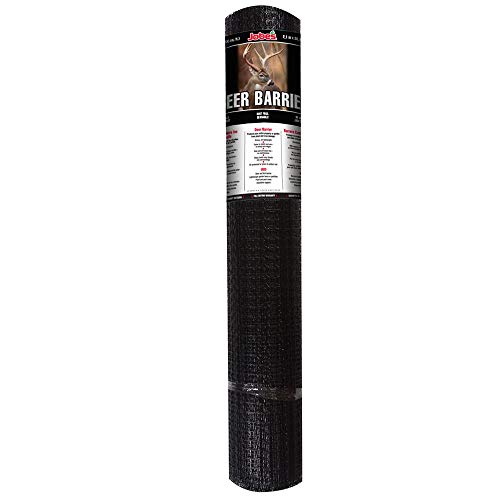
Tough durable deer fence; Protects landscape and crops from deer and other animals

UPGRADED REINFORCED AND ENCRYPTED EDGES WITH ROPES: Quick installation with tangle-free setup, securely fastening to the ground or posts for enhanced protection. The 5/8” square mesh effectively restricts animal movement, providing safety for your garden, poultry, and pets

Versatile Use: PotatoLife plastic mesh fence gives you flexibility in how you can use it, from garden fencing, gentle animal barriers, poultry netting, to construction safety fence, pool fencing and more. Its versatility makes it a practical solution for temporary outdoor fencing.
Protective Measures During Spring and Summer
During spring and summer, deer are most active. Their desire for fresh foliage increases as they seek out tender leaves and flowers. Use the following strategies to deter deer:
- Install Fencing: Put up a tall fence at least 8 feet high around your orchard. This height prevents deer from jumping over easily.
- Utilize Tree Guards: Wrap young trees with guard materials made from plastic or wire mesh. Ensure they cover the trunk up to a height that reaches beyond the deer’s browsing range.
- Apply Repellents: Use commercial repellents or homemade solutions made from vinegar, garlic, or hot pepper. Apply these regularly, especially after heavy rain.
Winter Precautions for Your Trees
In winter, deer may forage more aggressively as food becomes scarce. Implement these protective measures:
- Wrap Tree Trunks: Use burlap or specialized tree wrap for the trunks to prevent bark damage. This material serves as a barrier against deer bites.
- Create Windbreaks: Plant shrubs or install additional fencing as windbreaks to limit deer access while simultaneously protecting younger trees from harsh winter winds.
- Remove Debris: Clear fallen fruit and old leaves around your trees. This minimizes attraction and keeps deer from browsing near your trees.
By observing deer behavior throughout the seasons, you can tailor your protective measures accordingly and help your fruit trees thrive.
Maintenance and Monitoring
Maintaining and monitoring your fruit trees is crucial for effective protection against deer. Regular checks and timely adaptations to your strategies keep your trees healthy and secure.
Recommended Products

Over 100,000 Repeat Customers - For over 20 years Deer Out is the trusted brand for professional gardeners, landscapers and farmers alike. Works Great!

Dries clear and odor free

Over 100,000 Repeat Customers - For over 20 years Deer Out is the trusted brand for professional gardeners, landscapers and farmers alike. Works Great!
Regular Inspection of Trees and Protection Measures
Inspect your trees weekly, especially during peak deer activity seasons. Look for signs of nibbling, scratching, or other damage. Check the integrity of barriers, like fences and tree guards. Ensure they’re secure and free from gaps that deer could exploit.
Clean up debris around the trees. Remove fallen fruits, leaves, or branches that could attract deer. Monitor the effectiveness of repellents. If you notice any signs of deer activity, increase the frequency of repellent application.
Adapting Strategies Based on Deer Activity
Adjust your protection measures based on observed deer behavior. If you notice deer frequenting your yard, consider increasing fence height or switching to more effective repellent options.
Assess seasonal changes as well. In early spring, deer may target tender new growth. During this time, adding additional physical barriers can be beneficial. In winter, when food is scarce, switching to burlap wraps can help protect vulnerable bark.
Stay informed about local wildlife patterns. If deer populations increase in your area, you might need to enhance your protective measures. Adapting your strategies keeps your fruit trees thriving amidst the constant threat of deer browsing.
Conclusion
Protecting your fruit trees from deer might feel like a constant battle but with the right strategies in place you can keep those pesky nibblers at bay. By combining physical barriers with repellents and smart planting choices you create a fortress around your garden.
Don’t forget to stay vigilant and adjust your methods as seasons change. Regular monitoring and maintenance are key to ensuring your trees remain healthy and productive. With a little effort and creativity you can enjoy the fruits of your labor while keeping deer from ruining your hard work. Happy gardening!
Frequently Asked Questions
What challenges do deer pose to fruit trees?
Deer can significantly harm fruit trees by eating tender leaves and bark, which can lead to reduced foliage, increased stress, and even disease in the trees. Their browsing habits can quickly ruin a gardener’s hard work and efforts.
How can I protect my fruit trees from deer?
Effective deer protection involves a mix of strategies. Using sturdy fences at least 8 feet tall, applying repellents regularly, and utilizing tree guards can safeguard your trees. Companion planting with deer-resistant plants can also help deter deer from approaching.
When are deer most active around fruit trees?
Deer are particularly active during the spring and summer when they seek tender foliage. During these seasons, it’s essential to implement protective measures, such as installing fences and regularly applying repellents.
What are some recommended repellents for deer?
Repellents can be both commercial and natural, including products made from garlic, hot pepper, or predator urine. It’s crucial to apply these regularly and reapply after rainfall for the best results in keeping deer at bay.
How should I adjust my protection strategies in winter?
In winter, food is scarce for deer, increasing the risk of damage to fruit trees. To protect your trees, wrap trunks with burlap, create windbreaks, and clean debris from the area to discourage deer from lingering nearby.
Why is maintenance important for deer protection?
Regular maintenance, including inspecting protective barriers and checking for deer damage, is vital for effective deer protection. Staying vigilant and adjusting strategies based on observed deer activity can help ensure that fruit trees remain healthy and productive.
