

Do you want to enjoy a bountiful harvest from your fig tree? Pruning might be the key to unlocking its full potential. Many gardeners struggle with figuring out when and how to prune their trees, often feeling overwhelmed by conflicting advice.
By learning the right techniques, you can encourage healthier growth and more delicious fruit. This article will guide you through the simple steps of pruning your fig tree, ensuring you get the most out of your gardening efforts. With just a little know-how, you’ll be on your way to enjoying sweet, juicy figs right from your backyard.
Key Takeaways
- Understand fig tree types (Ficus carica, Ficus palmata, Ficus rubiginosa) and their specific pruning needs for optimal care.
- Prune fig trees in late winter or early spring to enhance fruit production and support healthy growth.
- Use essential pruning tools like bypass pruners, loppers, and a pruning saw, and prioritize safety with gloves and glasses.
- Employ effective pruning techniques, such as removing dead wood, thinning the canopy, and shaping the tree for better sunlight exposure.
- Avoid common mistakes like over-pruning and incorrect timing to foster a robust and fruitful fig tree.
Understanding Fig Trees
Fig trees thrive in warm climates and produce sweet fruits, but successful cultivation requires understanding their characteristics. Pruning significantly affects growth and fruit production.
Types of Fig Trees
Common fig tree types include:
- Ficus carica: Known as the common fig, this variety is often cultivated for its edible fruit.
- Ficus palmata: Also called the Indian fig, it’s grown primarily for its medicinal properties and fruit.
- Ficus rubiginosa: Recognized as the rusty fig, this type typically serves as an ornamental tree rather than a fruit producer.
Each type has unique qualities, affecting how you care for and prune them.
Growth Habits and Pruning Needs
Fig trees exhibit distinct growth patterns and specific pruning requirements:
- Growth Spurt: Figs grow rapidly, often reaching heights of 10 to 30 feet. Late winter or early spring is the ideal time for pruning, just before new growth begins.
- Shape Maintenance: Aim to shape the tree to encourage an open canopy for sunlight penetration. Remove inward-growing branches to maintain air circulation.
- Fruit Production: Prune selectively to promote fruiting wood. Focus on removing older branches while leaving younger ones, as they yield more figs.
Regularly assessing your fig tree’s health, along with appropriate pruning techniques, leads to abundant fruit production.
When to Prune a Fig Tree
Pruning a fig tree at the right time boosts fruit production and ensures healthy growth. Timing plays a crucial role in the success of your tree.
Recommended Products

IDEAL BRANCH TRIMMER: Tree pruner that extends from 7.9 to 12 feet; Lightweight aluminum pole weighing less than five pounds to help minimize fatigue; Ideal for cutting high branches, or making low cuts without bending or kneeling

[Cut & Hold Pole Pruner for Tree Trimming] This long reach cut and hold pruner makes it easy to grip and remove branches, flowers, or fruit without dropping them. Perfect as a pole fruit picker for harvesting lemons, oranges, apples, or persimmons, and for trimming shrubs and bushes without climbing a ladder.

Comfort GEL soft, ergonomically shaped grips for maximum comfort, fit and control
Seasonal Considerations
Prune your fig tree in late winter or early spring before new growth begins. During this period, the tree is dormant. Cutting branches then minimizes stress and encourages vigor when the growing season starts. Avoid late frost, as it can damage newly pruned trees.
Signs That Pruning Is Needed
Look for these indicators to determine when pruning is necessary:
- Overgrown Branches: If branches extend beyond the tree’s desired shape, it’s time to prune. Trim back excess growth for better sunlight access.
- Dead or Damaged Wood: Dead wood reduces fruit yield. Remove any branches that show signs of rot or breakage.
- Crowded Canopy: If branches are dense or crossing each other, prune to improve air circulation. This helps prevent disease and promotes overall tree health.
- Low Fruit Production: If your tree produces fewer figs than expected, pruning may stimulate growth. Focus on older branches as they often yield less fruit.
Regularly observe your fig tree to identify specific pruning needs. Keeping a watchful eye ensures you catch these signs early, promoting healthy, fruitful growth.
Tools Needed for Pruning
To prune your fig tree effectively, gather the right tools and equipment. Using the appropriate tools makes the process smoother and enhances the overall results.
Recommended Products

PROFESSIONAL GARDENING GRAFTING TOOLS: Including 2 in 1 grafting pruning tools, 3 replaceable blades, a grafting knife, a screwdriver, a wrench, 2 grafting films, 160 rubber bands, 40 wide rubber bands, and 50 colorful tag cards
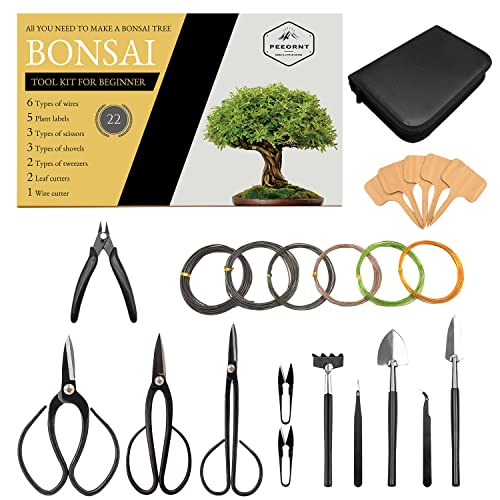
EVERYTHING YOU NEED TO START BONSAI - The bonsai tree kit includes 3 x bonsai scissor, 2 x leaf cutters, 2 x tweezers, 3 x soil shovels/rakes, 6 x bonsai training wires, 1 x wire cutter, 5 x bamboo plant markers. Start your bonsai journey with our bonsai kit.

✂Multifunctional -2 in 1 Garden Grafting Tools-Professional grafting set allows you to pruning and grafting at the same time, saving more time and effort than traditional grafting methods, easy to use and more efficient. It allows you to trim away excess leaves and twigs and prepare the plants to be grafted. At the same time, you can make a precise cut into the grafting stock with the special grafting blade.
Essential Pruning Tools
- Bypass Pruners: Use bypass pruners for clean cuts on small branches. Their design creates a precise, smooth cut, promoting healthy growth.
- Loppers: Choose loppers for larger branches, typically up to 1.5 inches thick. Loppers provide additional leverage and reach, making tough cuts easier.
- Pruning Saw: For branches thicker than 1.5 inches, a pruning saw works best. It eliminates the struggle with larger limbs and ensures a clean cut.
- Hedge Shears: If you’re shaping the tree or maintaining its overall form, hedge shears work well. They help in managing foliage and enhancing light penetration.
- Cleaning Tools: Maintain your tools with a brush and disinfectant. Proper hygiene prevents the spread of disease during pruning.
- Gloves: Wear heavy-duty gloves to protect your hands from sharp tools and rough branches. Look for gloves that offer both comfort and durability.
- Safety Glasses: Protect your eyes with safety glasses. They shield against flying debris and ensure comfort while pruning.
- Long Sleeves and Pants: Dress in long sleeves and pants to safeguard your skin from thorns and scratches. Opt for breathable fabrics to maintain comfort.
- First Aid Kit: Keep a first aid kit nearby for quick access in case of accidents. It’s always best to be prepared for minor injuries.
Gathering these tools and safety equipment beforehand ensures a productive pruning session. With the right preparation, you enhance both your safety and the effectiveness of your pruning efforts.
Techniques for Pruning a Fig Tree
Effective pruning techniques enhance fig tree growth and fruit production. You’ll find that using the right methods can reveal the full potential of your tree.
Recommended Products

CLEAN CUTS FOR LIVE GROWTH: Bypass blade design is ideal for pruning delicate flower stems and green growth, helping reduce crushing and plant damage while cutting stems and small branches up to 5/8” in diameter

LONG-LASTING SHARPNESS: Japanese SK5 bypass blade with titanium coating is tested through 5,000 cuts to maintain a sharp edge and deliver clean, consistent cuts on live stems and branches

DUAL CUTTING POWER: VERSATILE PRUNING COMBO --- With both Pruning Shears and Pruning Snip, this combo delivers unmatched versatility. Whether you're delicately trimming flowers and shrubs, tackling thicker tree branches, or tending to your vegetable and fruit garden, our combo pack excels in all areas. They're also perfect for landscaping projects and maintaining the health and appearance of indoor plants. With this pack, you have a versatile tool that simplifies your gardening tasks.
Basic Pruning Techniques
- Remove Dead Wood: Cut away any dead or damaged branches. This helps maintain tree health and prevents disease.
- Thin the Canopy: Trim branches that are too close together. This allows sunlight and air to penetrate, which promotes healthy fruit development.
- Shape the Tree: Maintain a balanced form by cutting back excessively long branches. Aim for an open center that supports even growth.
- Shorten New Growth: Cut new growth back to 6-8 inches. This encourages the tree to focus energy on fruiting wood instead of excessive foliage.
- Timing Matters: Prune during late winter or early spring when the tree is dormant. This minimizes stress and promotes vigorous growth in the new season.
- Espalier Method: For limited space, train your fig tree against a wall or fence. Use horizontal branches to create a two-dimensional shape that’s easy to manage.
- Renewal Pruning: Every few years, remove older branches to stimulate new growth. Selectively cut older wood down to the trunk to promote vigorous shoots for fruiting.
- Heading Cuts: Use heading cuts to control size and encourage branching. Cut just above a bud to stimulate growth in the desired direction.
- Selective Thinning: Target specific branches to remove. This improves air circulation and focuses the tree’s energy on remaining branches, enhancing fruit yield.
- Regular Assessment: Periodically evaluate branch growth and tree shape. Adjust your pruning strategy as needed to adapt to the fig tree’s growth patterns.
Common Mistakes to Avoid
Pruning a fig tree requires care to avoid common pitfalls that can hinder fruit production and tree health. Here are a couple of key mistakes to steer clear of.
Over-Pruning
Over-pruning leads to excessive stress on your fig tree. You may mistakenly remove too many branches or cut back excessively, resulting in weakened growth. Aim to remove about one-third of the tree’s total size at most during a single rotation. Focus on removing only dead or damaged wood. An example of effective pruning includes selectively thinning branches rather than drastic cutting. Remember, fig trees thrive on a natural shape, so let them maintain some of their growth.
Incorrect Timing
Incorrect timing impacts fruit production and tree vitality. Pruning too early in the spring can expose the tree to frost damage, while late pruning may remove developing fruit buds. Ideally, you should prune in late winter or early spring while the tree is still dormant. Pay attention to weather patterns to avoid cold snaps after pruning. An appropriate time often coincides with the end of winter months, just before new growth begins. This timing supports vigorous growth and maximizes fruit set.
Conclusion
Pruning your fig tree can seem daunting but with the right techniques and timing you can enjoy a fruitful harvest. By focusing on the health of your tree and making thoughtful cuts you’ll encourage robust growth and sweet figs. Remember to gather your tools and safety gear before you start to ensure a smooth process.
Keep a close eye on your tree throughout the year. Regular observation helps you catch any issues early and adjust your pruning strategy as needed. With a little patience and practice you’ll become more confident in your pruning skills and soon be savoring the delicious rewards of your hard work. Happy pruning!
Frequently Asked Questions
When is the best time to prune fig trees?
Pruning fig trees is best done in late winter or early spring while the tree is dormant. This timing minimizes stress and promotes vigorous growth, ensuring better fruit production.
What tools do I need for pruning fig trees?
Essential tools include bypass pruners for small branches, loppers for thicker ones, and pruning saws for larger limbs. Hedge shears can help shape the tree, and maintaining tool hygiene is vital to prevent disease.
How can I tell if my fig tree needs pruning?
Signs that your fig tree needs pruning include overgrown branches, dead or damaged wood, a crowded canopy, and low fruit production. Regular observation helps catch these signs early.
What are common mistakes to avoid when pruning fig trees?
Avoid over-pruning, which can stress the tree and weaken growth. Also, ensure you prune at the correct time; pruning too early can lead to frost damage, while late pruning may remove developing fruit buds.
What pruning techniques enhance fig tree growth and fruiting?
Key techniques include removing dead wood, thinning the canopy for better sunlight, shaping the tree for balanced growth, and selectively shortening new growth to focus energy on fruit production and vitality.
