

Do you love the idea of growing your own fruit trees but worry about limited sunlight in your yard? You’re not alone. Many gardeners face this challenge, wishing to enjoy fresh fruit without the perfect sunny spot.
Key Takeaways
- Sunlight Requirements: Most fruit trees prefer full sun (6+ hours), but several varieties thrive in partial shade, making them suitable for low-light environments.
- Best Low-Sun Fruit Trees: Consider planting dwarf peach trees, mulberry trees, persimmon trees, blueberry bushes, raspberry canes, blackberry vines, and certain cherry tree varieties, as they can survive with 4-6 hours of sunlight.
- Site Selection: When planting, choose the sunniest locations in your yard while avoiding dense shade from structures or trees to enhance fruit production.
- Soil and Watering Needs: Healthy soil is crucial, so amend it with organic matter and maintain moisture. Low-sun fruit trees generally require less water, making them more efficient for gardeners.
- Maintenance Tips: These trees often require less upkeep, benefiting from reduced growth rates and fewer pest issues, leading to a more manageable gardening experience.
- Optimal Growth Techniques: Ensure good air circulation through regular pruning and use mulch to retain soil moisture, which can aid in maximizing growth in less sunny conditions.
Overview of Fruit Trees and Sunlight Requirements
Understanding the sunlight requirements of fruit trees helps you select the best options for your yard. Different trees thrive under varying light conditions. Most fruit trees prefer full sun, which means six or more hours of direct sunlight each day. However, some trees can tolerate partial shade, making them suitable for yards with limited sun exposure.
Low-Sunlight Fruit Trees
Consider these fruit trees that grow well with less sunlight:
- Peach Trees: Some dwarf varieties thrive in partial shade, generally needing 4-6 hours of direct light.
- Mulberry Trees: These trees adapt to various conditions and can tolerate up to 4 hours of sunlight daily.
- Persimmon Trees: This fruit tree flourishes in partial shade, benefiting from 4-6 hours of sunlight.
Sunlight and Growth Factors
Several factors influence sunlight needs:
- Tree Variety: Choosing varieties known for shade tolerance can enhance your chances of success.
- Soil Quality: Healthy soil helps trees maximize their growth potential, even in lower light conditions.
- Watering Practices: Adequate watering supports trees in shaded environments where sunlight is limited.
Planting Tips for Low-Sunlight Areas
For successful fruit tree planting in low-sunlight conditions, try these steps:
- Site Selection: Place trees in the sunniest part of your yard, avoiding areas blocked by structures or foliage.
- Regular Pruning: Prune trees to promote airflow and light penetration, improving overall health.
- Fertilize Wisely: Use organic fertilizers to boost soil nutrients, supporting growth despite reduced sunlight.
By selecting the right fruit trees and implementing smart care practices, you can enjoy bountiful harvests even in less sunny spaces.
Top Fruit Trees That Need Less Sun
Some fruit trees thrive in low-light conditions, making them perfect for your yard if sunlight is limited. Here are the best options for fruit trees that need less sun.
Recommended Products

Suitable for USDA Zones 3–8 outdoors

Black jaboticaba tree live plant approximately 1 foot tall, suitable for outdoor growing and container planting

Includes 1 live Pawpaw tree, in a quart pot, 6-12 inches tall. Dormant in winter
Blueberry Bushes
Blueberry bushes thrive with four to six hours of sunlight daily. These bushes produce sweet fruit and are adaptable to various soil conditions. For optimal growth, choose northern highbush varieties, which tend to perform well in partial shade. Regular pruning helps maintain healthy growth and encourages better fruit production.
Raspberry Canes
Raspberry canes prefer at least six hours of sunlight but can tolerate partial shade, especially in hotter climates. Consider fall-bearing varieties for a bonus autumn harvest. Keep soil moist, and apply mulch to retain moisture and suppress weeds. Thin canes in early spring for improved airflow and fruit quality.
Blackberry Vines
Blackberry vines do well with five to six hours of sun but can survive with less. Erect thornless varieties often adapt better to shaded areas. Provide sturdy supports for the vines to grow upright. Regular watering during dry spells enhances fruit sweetness and size.
Cherry Trees
Some cherry tree varieties, like the Acerola cherry, adapt well to partial shade. They flourish with about four hours of sunlight each day. Plant in well-drained soil to prevent root rot. Maintain consistent moisture, and prune for good air circulation to minimize disease risk.
These fruit trees offer delicious options for your garden while requiring less sun. With proper care, you can enjoy a fruitful harvest even in shaded conditions.
Benefits of Low-Sun Fruit Trees
Low-sun fruit trees offer several advantages for gardeners with limited sunlight. These trees not only thrive in partial shade but also contribute to a more sustainable garden environment.
Recommended Products

Package: 5 Individual Packs, 40+ Lemon Tree Seeds 40+ Cherry Tree Seeds 40+ Orange Tree Seeds 40+ Apple Seeds 20+ Blueberry Seeds
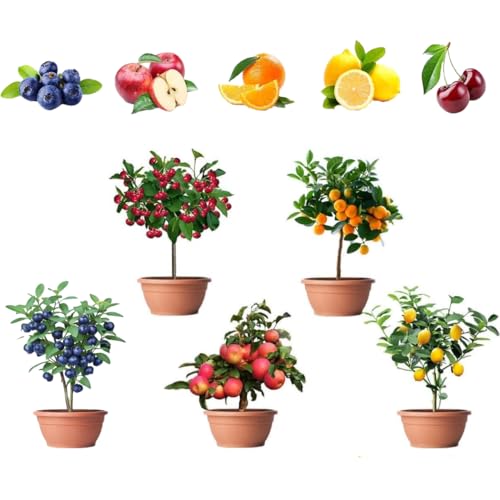
Variety Pack of 5 Fruits: Includes 40 Lemon seeds, 40 Orange seeds, 40 Apple seeds, 20 Cherry seeds, and 20 Blueberry seeds for a colorful and diverse home garden

Product Quantity: 180+ premium bonsai fruit seeds across 5 varieties; Individual packs contain 40+ apple, 40+ lemon, 40+ orange, 20+ blueberry, and 40+ cherry seeds; Perfect for starting a diverse miniature orchard
Reduced Water Requirements
Low-sun fruit trees generally require less water compared to those thriving in full sun. These trees adapt to their environment, utilizing moisture more efficiently. For example, blueberry bushes, which thrive in low-light conditions, perform well in well-drained, moist soil without constant watering. This natural resilience helps conserve water and simplifies irrigation, saving you time and effort.
Easier Maintenance
Low-sun fruit trees often demand less maintenance, making them ideal for busy gardeners. Their reduced growth rate in shady conditions results in less frequent pruning and smaller yields, meaning you focus less on upkeep. Dwarf peach trees, for instance, adapt well to limited sunlight and require less intervention. With fewer pests due to their unique growing conditions, these trees also experience reduced issues, allowing you to enjoy a more effortless gardening experience.
Tips for Growing Low-Sun Fruit Trees
Growing fruit trees in low-sun conditions requires careful planning and attention to detail. Use the tips below to ensure successful cultivation.
Recommended Products

CONCENTRATE INSECT KILLER - This pest control is great for use on aphids, flea beetles, leafhoppers, trips, whiteflies, Japanese beetles, mealy bugs and many more.

100% Natural: Custom blend for your indoor potted banana trees

Made For Potted Citrus Trees: Our citrus potting soil mix is made for potted lemon, lime, orange and other citrus trees that need a lighter growing medium for repotting. We double-screen all of our raw ingredients to support a cleaner, more consistent texture for pouring and repotting potted citrus trees.
Selecting the Right Location
Choosing the best spot for your fruit trees is crucial. Look for areas that receive some direct sunlight, even if it’s limited.
- Assess Sunlight Exposure: Observe your yard throughout the day. Identify any spots that get filtered light or a few hours of direct sun.
- Avoid Dense Shade: Stay clear of locations under dense trees or structures. Too much shade can stunt growth and reduce fruit production.
- Consider Wind Protection: Select sheltered areas that protect against strong winds, which can damage young trees and reduce their growth.
- Plan for Future Shade: Remember that nearby plants or trees will grow. Consider how this will affect sunlight as they mature.
Soil Preparation Techniques
Proper soil preparation enhances your trees’ chances of thriving in low-light conditions.
- Test Soil Drainage: Check if the soil drains well. Poor drainage can lead to root rot. Conduct a simple drainage test by digging a hole, filling it with water, and observing how quickly it absorbs.
- Amend the Soil: Incorporate organic matter, like compost or well-rotted manure, to improve soil quality. This practice enriches nutrients and increases moisture retention.
- Maintain pH Levels: Test the soil’s pH and adjust it if needed. Most fruit trees prefer a slightly acidic to neutral pH (6.0 to 7.0).
- Mulch Around Trees: Apply a layer of mulch around the base of the tree. Mulch retains moisture, suppresses weeds, and regulates soil temperature, which benefits trees growing in less sun.
Following these tips helps create an optimal environment for fruit trees in low-sun areas. You can enjoy bountiful harvests by selecting the right location and preparing the soil effectively.
Conclusion
Choosing the right fruit trees for your shaded yard can open up a world of gardening possibilities. You don’t have to miss out on fresh fruit just because sunlight is limited. With the right varieties like dwarf peach trees and blueberry bushes you can enjoy a fruitful harvest even in less-than-ideal conditions.
By following practical tips for care and maintenance you can create a thriving garden that suits your space. Embrace the challenge and watch your low-sun fruit trees flourish. Happy gardening!
Frequently Asked Questions
What are the best fruit trees for low sunlight conditions?
Some of the best fruit trees for low sunlight conditions include dwarf peach trees, mulberry trees, and persimmon trees. Additionally, blueberry bushes, raspberry canes, blackberry vines, and certain cherry varieties like Acerola thrive with limited sunlight.
How many hours of sunlight do fruit trees need?
Most fruit trees prefer full sun, requiring six or more hours of direct sunlight. However, some varieties, like blueberries and certain cherries, can thrive in partial shade, needing as little as four hours.
How do I care for low-sun fruit trees?
To care for low-sun fruit trees, select a sunny spot in your garden, maintain regular pruning, use organic fertilizers, and ensure proper soil preparation. This includes improving drainage, pH levels, and adding mulch for moisture retention.
Do low-sun fruit trees require more water?
No, low-sun fruit trees generally require less water. They adapt to shaded conditions, utilizing moisture more efficiently, which simplifies irrigation and reduces overall water needs.
What should I consider when planting fruit trees in shaded areas?
When planting in shaded areas, assess sunlight exposure, avoid dense shade, consider wind protection, and think ahead about future shade from nearby plants to ensure optimal growth conditions for your trees.
