

Have you ever looked at your apricot tree and wondered why it’s not producing any fruit? You’re not alone. Many gardeners face this frustrating issue, especially after putting in the effort to nurture their trees.
Understanding the reasons behind your apricot tree’s lack of fruit can save you time and disappointment. This article will walk you through common causes, from environmental factors to care practices, helping you identify what might be holding your tree back. By the end, you’ll have the knowledge to encourage those sweet apricots to flourish.
Key Takeaways
- Poor Pollination: Apricot trees often require cross-pollination with other compatible trees; plant additional apricot trees or flowering plants to attract pollinators.
- Environmental Conditions: Ensure at least 6 hours of direct sunlight and maintain optimal soil quality, as temperature, sunlight, and soil impact fruit production.
- Nutrient Deficiencies: Regularly test soil pH (6.0 to 7.5) and address nutrient needs with balanced fertilizers to support healthy growth and enhance fruiting.
- Pest and Disease Management: Monitor for common pests like aphids and spider mites, as well as diseases such as brown rot and powdery mildew, to protect your tree’s health.
- Proper Pruning Practices: Prune in late winter or early spring to promote airflow and ensure enough healthy wood for future fruit development while avoiding heavy pruning in fall.
Common Reasons for Lack of Fruit
Lack of fruit on your apricot tree can stem from several issues. Understanding these factors helps you address the problem effectively.
Poor Pollination
Poor pollination significantly reduces fruit set in apricot trees. Apricot trees often require cross-pollination with another compatible tree to produce fruit. If no nearby trees exist or if pollinators, like bees, are scarce, fruit production may fall short. To enhance pollination, consider planting a second apricot tree or nearby flowering plants that attract bees. These actions can increase pollinator activity, ensuring your tree gets the attention it needs.
Environmental Factors
Environmental conditions play a crucial role in fruit production. Factors such as temperature, sunlight, and soil type can impact your apricot tree’s health and yield.
- Temperature: Apricot trees thrive in warmer climates. If late frosts occur during flowering, it can damage blossoms and lead to zero fruit.
- Sunlight: Your tree requires at least 6 hours of direct sunlight daily. Insufficient light can hinder fruit production, so select a bright planting location.
- Soil Quality: Well-draining soil rich in nutrients promotes healthy growth. Soil compaction or poor drainage can lead to stress, reducing fruit set. Testing your soil pH and amending it as needed helps create the ideal growing conditions.
Monitoring these environmental factors can significantly improve your apricot tree’s chances of producing fruit.
Nutrient Deficiencies
Nutrient deficiencies can hinder fruit production in apricot trees. Ensuring your trees receive the right nutrients promotes healthy growth and fruiting.
Recommended Products

Let our professionally formulated plant food help your fruit tree grow healthy, strong AND abundantly producing

Let our professionally formulated plant food help your fruit tree grow healthy, strong AND abundantly producing

Produce abundant and vibrant fruit and blooms! This product works by strengthening your plant's roots to increase nutrient uptake… enabling it to bloom and produce like you've never seen!
Soil Quality
Soil quality directly affects nutrient availability. Apricot trees thrive in well-draining, loamy soil enriched with organic matter. Check your soil’s pH level; it should range from 6.0 to 7.5 for optimal nutrient uptake. If your soil is compacted or poorly drained, consider amending it with compost or well-rotted manure. Conduct a soil test to identify specific deficiencies and tailor your amendments accordingly.
Fertilizer Needs
Fertilization plays a vital role in supplying essential nutrients. A balanced fertilizer with equal parts nitrogen, phosphorus, and potassium supports overall tree health. Apply fertilizer in early spring before new growth begins, and reapply as needed during the growing season. Follow the package instructions for application rates based on the age and size of your tree. If your tree lacks fruiting, consider using a fertilizer higher in phosphorus to encourage blossom development.
Pest and Disease Issues
Pests and diseases can significantly impact the fruit production of your apricot tree. Identifying these issues early plays a crucial role in maintaining a healthy tree.
Recommended Products
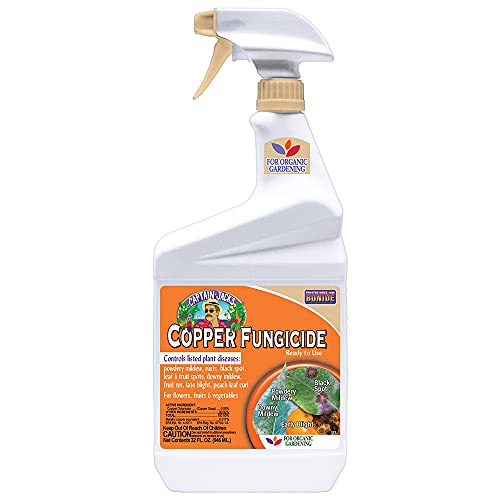
Control fungus and disease in your garden with Captain Jack’s ready-to-use Liquid Copper Fungicide!

Control diseases and insects in your garden with Captain Jack’s Fruit Tree Spray Concentrate! Use on a variety of listed fruits, nuts and citrus plants.

Control diseases and insects in your garden with Captain Jack’s Fruit Tree Spray Concentrate! Use on a variety of listed fruits, nuts and citrus plants.
Common Pests
- Aphids: Small, sap-sucking insects often found on new growth. They weaken the tree and can lead to reduced fruit set. Keep an eye out for curled leaves or sticky residue.
- Spider Mites: Tiny arachnids that thrive in dry conditions. Look for fine webbing and yellowing leaves. Regularly spraying your tree with water can help control these pests.
- Leaf-Cutter Bees: While they help with pollination, they can also remove leaf sections. Monitor bloom patterns and consider planting flowers nearby to attract alternative pollinators.
- Brown Rot: This fungal pathogen can affect both flowering and fruiting. Early indicators include brown, sunken spots on blossoms. Remove infected tissues and ensure good airflow around the tree.
- Chlorosis: Yellowing of leaves indicates nutrient deficiencies or root issues. Regular soil testing can help diagnose problems.
- Cankers: Areas of dead tissue on branches may signal disease. Cut out affected branches to prevent spread and promote regeneration.
- Powdery Mildew: White, powdery spots on leaves indicate fungal growth. Ensure proper spacing to improve air circulation and reduce humidity around the tree.
- Fruit Drop: Premature fruit drop can signify both diseases and stress factors such as inadequate watering or insufficient nutrients. Consistent watering and mulching can maintain soil moisture.
By monitoring for pests and diseases, you can take proactive steps to ensure your apricot tree thrives and bears fruit. Regular inspections and timely interventions greatly enhance the chances of productive harvests.
Pruning Practices
Pruning is essential for the health and productivity of apricot trees. Proper pruning practices encourage fruit production by promoting good airflow, sunlight penetration, and the development of fruiting wood.
Recommended Products

1️⃣ Extreme 2-Inch Cutting Capacity Cuts branches up to 2 inches thick with confidence. Ideal for mature hardwood, dry limbs, and heavy pruning jobs.

Adjustable and Durable Handle - Extendable Loppers: The lopping shears are adjustable from 16 inches to 24 inches, allowing you to handle tall branches easily. The iron arm is more sturdy and durable, and will not bend even when cutting large and thick branches.

BYPASS LOPPERS FOR GREEN WOOD - These heavy-duty garden trimmers feature 6 pin-locked position stops and rubber grips. This style of garden cutter is designed for wet wood, great for trimming living branches and tree limbs.
Timing and Technique
Timing plays a crucial role in successful pruning. Prune apricot trees in late winter or early spring before new growth begins. This timing helps avoid damage to the flowering buds. In terms of technique, focus on removing dead, damaged, or crossing branches. Maintain an open center in the tree to allow light to reach all parts. Additionally, aim to prune selectively, cutting back about 20% of the tree’s current growth to encourage robust new shoots.
Tools You’ll Need
Use sharp pruning shears for small branches and loppers for larger ones. A pruning saw is useful for thicker limbs. Clean tools between cuts to prevent the spread of disease. Make sure to wear gloves and safety goggles to protect yourself during the process.
Common Mistakes
Avoid heavy pruning in the fall, as it can stimulate new growth that may not survive winter. Don’t remove too many branches at once; this can stress the tree and reduce fruiting potential. Ensure you leave enough healthy wood for future growth and fruit development.
Conclusion
Getting your apricot tree to bear fruit can feel like a puzzle at times. By understanding the factors that influence production you can take steps to help your tree thrive. Whether it’s ensuring proper pollination improving soil quality or addressing pests and diseases each action you take can make a difference.
Remember to keep an eye on environmental conditions and don’t hesitate to prune when necessary. With a little patience and care your apricot tree can reward you with a bountiful harvest. Enjoy the journey of nurturing your tree and watching it flourish.
Frequently Asked Questions
Why aren’t my apricot trees producing fruit?
Many factors can contribute to apricot trees failing to produce fruit, including poor pollination, environmental conditions, nutrient deficiencies, and pests. Understanding these issues is key to improving fruit yield.
Do apricot trees need cross-pollination?
Yes, apricot trees often require cross-pollination with another compatible tree to enhance fruit set. Planting a second apricot tree nearby or adding flowering plants can attract essential pollinators like bees.
What environmental factors affect apricot fruit production?
Apricot trees thrive in warm climates with at least 6 hours of direct sunlight daily. Late frosts during flowering and poor soil quality can severely affect fruit production. Monitoring these factors is essential.
How can I improve soil quality for my apricot trees?
Apricot trees prefer well-draining, loamy soil with a pH between 6.0 and 7.5. Conduct a soil test to identify deficiencies and amend the soil with organic matter as needed to support healthy growth.
What pests and diseases can affect apricot trees?
Common pests like aphids and spider mites can weaken apricot trees, while diseases such as brown rot and powdery mildew can hinder fruit production. Regular inspections and timely treatments are necessary for maintaining tree health.
When should I prune my apricot trees?
Prune apricot trees in late winter or early spring before new growth begins. Focus on removing dead branches and maintaining airflow. Proper timing and techniques promote healthy growth and fruit production.
