

Have you ever dreamed of picking fresh fruit right from your balcony or patio? Growing fruit trees in containers is a fantastic way to enjoy homegrown produce, even if you have limited space. With the right choices, you can turn your outdoor area into a mini orchard.
Key Takeaways
- Container Garden Options: Both dwarf and standard fruit tree varieties can be successfully grown in containers, making it accessible for those with limited space.
- Dwarf Varieties: These trees, like Dwarf Apple and Citrus, are compact, often reaching heights of 3 to 6 feet, and are easier to manage with faster fruit production.
- Standard Varieties: Trees like Standard Peach and Fig can also thrive in containers but require larger pots and more care for successful growth.
- Mobility Benefits: Container gardening allows for flexibility in moving trees based on sunlight exposure and weather conditions, aiding in their health and growth.
- Soil and Watering Needs: High-quality, well-draining soil is vital for root development, and regular monitoring of soil moisture helps prevent under-watering or over-watering issues.
- Pruning and Fertilization: Regular pruning and timely fertilizing are essential practices for maintaining healthy fruit trees in containers, encouraging growth and maximizing fruit yield.
Types Of Fruit Trees Suitable For Containers
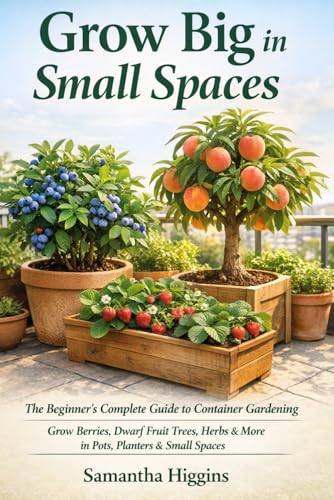
Growing fruit trees in containers opens up the possibilities for home gardeners. You can enjoy fresh fruit even with limited space. Here are two main categories of fruit trees that work well in pots.
Recommended Products

Product Quantity: 180+ premium bonsai fruit seeds across 5 varieties; Individual packs contain 40+ apple, 40+ lemon, 40+ orange, 20+ blueberry, and 40+ cherry seeds; Perfect for starting a diverse miniature orchard

Made for Lemon & Citrus Trees – Formulated to support healthy growth in lemon and citrus plants.
Dwarf Varieties
Dwarf fruit tree varieties thrive in containers due to their smaller size and manageable growth. They typically reach heights of 3 to 6 feet. Popular dwarf options include:
- Dwarf Apple Trees: Varieties like ‘Honeycrisp’ or ‘Fuji’ produce full-sized fruit on compact plants.
- Dwarf Citrus Trees: Trees like ‘Improved Meyer Lemon’ offer fragrant blooms and tasty fruit, perfect for sunny patios.
- Dwarf Cherry Trees: ‘Bing’ or ‘Stella’ varieties excel in containers, providing beautiful blossoms and sweet cherries.
These trees often require less pruning and can yield fruit faster than standard varieties. Select a pot with good drainage and use high-quality potting soil.
Standard Varieties
Standard fruit trees can also flourish in containers, but they require larger pots and more care. They often grow taller than dwarf varieties but can still be maintained. Some favorable standard options include:
- Standard Peach Trees: Varieties like ‘Elberta’ can reach up to 15 feet, offering juicy peaches in the summer months.
- Standard Fig Trees: Trees like ‘Brown Turkey’ are productive and can adapt to container life, producing sweet figs throughout the growing season.
- Standard Apricot Trees: Consider varieties like ‘Tilton,’ which can yield flavorful apricots while remaining manageable in size.
When choosing standard varieties, ensure the pot is large enough (at least 20 gallons) to support root growth. Regular watering and nutrient-rich soil contribute to their success in containers.
Benefits Of Growing Fruit Trees In Containers
Growing fruit trees in containers offers multiple advantages, making it an ideal choice for urban gardeners or those with limited outdoor space. You can enjoy fresh fruit while maximizing your gardening potential.
Space Efficiency
Container gardening makes the most of small spaces. On a balcony, patio, or even a small yard, you can grow fruit trees without the need for a large garden plot. Dwarf varieties, like ‘Honeycrisp’ apples, fit perfectly in limited areas and still produce a generous yield. Use vertical space by stacking containers or using shelves to create a mini orchard, enhancing your garden’s aesthetic while utilizing every inch of space effectively.
Mobility
Mobility is another major perk of container-grown fruit trees. You can move your trees based on sunlight, weather, or aesthetics. If your area experiences extreme temperatures, relocate the trees to shelter them. If you want to refresh your outdoor layout, simply rearrange the containers without commitment. This flexibility allows for easy maintenance and adaptation to your local growing conditions, optimizing the health and productivity of your fruit trees.
Considerations For Container Gardening
Growing fruit trees in containers requires specific considerations to ensure healthy plants and fruitful harvests. Focus on two main aspects: soil selection and watering needs.
Soil Selection
Select high-quality potting soil designed for container use. Choose a mix that’s lightweight, well-draining, and nutrient-rich. A blend of peat moss, pine bark, and perlite works well. This type of soil provides aeration, essential for root development. Avoid using garden soil, as it may compact and hinder drainage.
Consider adding slow-release fertilizers specifically formulated for fruit trees to boost growth and fruiting. Make sure the soil pH falls between 6.0 and 7.0 for optimal nutrient absorption.
Watering Needs
Understand that container-grown fruit trees require regular watering. Check the soil moisture frequently. If the top inch feels dry, it’s time to water. Use a soaker hose or watering can to deliver water directly to the soil without wetting the leaves.
In hot weather, monitor moisture levels daily. Containers can dry out quickly, especially in direct sunlight. To help retain moisture, maintain a consistent watering schedule and add mulch on the surface of the soil. This method minimizes evaporation and keeps roots cool.
Remember, under-watering leads to stress, while over-watering can cause root rot. Striking the right balance promotes vigorous growth and abundant fruit production.
Best Practices For Container Fruit Tree Care
Caring for container fruit trees involves specific techniques to ensure their health and productivity. Here are some essential practices.
Pruning Techniques
Pruning keeps your container fruit tree thriving and manageable. Follow these steps:
- Timing: Prune during the dormancy period in late winter or early spring before new growth starts.
- Focus on Shape: Remove any dead or crossing branches to maintain an open center for light penetration.
- Cutting: Use clean, sharp tools to make clean cuts. This reduces the risk of disease.
- Encourage Growth: Trim back about one-third of the previous year’s growth to encourage new fruiting wood.
Regular pruning enhances air circulation and sun exposure, leading to healthier fruit trees.
Fertilization Tips
Fertilizing container fruit trees supports their nutrient needs. Use these guidelines:
- Choose Fertilizers: Select a balanced, slow-release fertilizer with a ratio such as 10-10-10 for even nutrient distribution.
- Timing: Fertilize in early spring when growth begins, and again in mid-summer. This boosts development during peak growing seasons.
- Amount: Follow package instructions for application rates. Avoid over-fertilizing, as this can lead to leaf burn and reduced fruit quality.
- Watering After Fertilization: Water your tree after applying fertilizer to help dissolve the nutrients and prevent root damage.
With proper fertilization, your container fruit trees can achieve optimal health and yield a bountiful harvest.
Conclusion
Growing fruit trees in containers opens up a world of possibilities for your gardening journey. Whether you have a small balcony or a cozy patio you can enjoy fresh fruit right at home. With the right choices and care you can create a vibrant mini orchard that not only looks beautiful but also provides delicious rewards.
Remember to pay attention to pot size drainage and soil quality to give your trees the best chance to thrive. Regular maintenance like pruning and fertilizing will keep them healthy and productive. So go ahead and embrace the joy of container gardening—your taste buds will thank you!
Frequently Asked Questions
What are the benefits of growing fruit trees in containers?
Growing fruit trees in containers allows individuals with limited space to enjoy fresh, homegrown fruit. Container gardening maximizes small outdoor areas, like balconies and patios, and provides mobility, allowing trees to be relocated for optimal sunlight and conditions.
What types of fruit trees are suitable for container gardening?
Dwarf fruit trees, such as ‘Honeycrisp’ apples and ‘Improved Meyer Lemon’ citrus, thrive in smaller pots with less maintenance. Standard fruit trees, like ‘Elberta’ peaches and ‘Brown Turkey’ figs, require larger containers and more care but can still flourish in limited spaces.
How should I choose a pot for my container fruit trees?
When choosing a pot, ensure it has adequate size and drainage. Dwarf trees need smaller pots, while standard varieties require larger containers. High-quality, lightweight, and well-draining soil is also crucial for healthy growth.
How often should I water container fruit trees?
Watering frequency depends on soil moisture and weather conditions. Regularly monitor the soil, especially during hot weather. Maintaining a consistent watering schedule is essential to prevent stress and root rot.
What are the best practices for fertilizing container fruit trees?
Use a balanced, slow-release fertilizer and follow specific timing and application guidelines to meet the trees’ nutrient needs. Adding fertilizers during the growing season can support growth and fruit production.
When is the best time to prune container fruit trees?
Prune container fruit trees during their dormancy period, typically in late winter or early spring. This helps maintain shape and health while minimizing disease risks through clean cuts.
What kind of soil should I use for container fruit trees?
Use high-quality potting soil that is lightweight, well-draining, and nutrient-rich. Avoid garden soil, as it may compact and hinder drainage, negatively impacting tree health.
Can I grow fruit trees indoors?
Yes, some dwarf fruit trees can be grown indoors if they receive sufficient light. Ensure they have the right pot size, drainage, and care to thrive in an indoor environment.
