

Have you ever watched helplessly as birds and pests devoured your hard-earned fruit? You’re not alone. Many gardeners face this frustrating challenge every season. Knowing when to net your fruit trees can make all the difference between a bountiful harvest and a disappointing one.
Key Takeaways
- Timing is Crucial: Apply netting early, before fruit ripens, and during color change to protect against pests and environmental threats.
- Choose the Right Netting: Different types such as bird netting, insect netting, and heavy-duty netting serve specific purposes; select based on your trees’ needs.
- Installation Matters: Ensure proper installation by measuring trees, using support structures, and securing the netting to prevent gaps and potential pest access.
- Regular Maintenance: Conduct frequent check-ups to inspect for damage, adjust for tree growth, and ensure no animals are trapped within the netting.
- Adapt to Weather Patterns: Be proactive by netting before storms and rainy weather to prevent fruit loss from splitting and other environmental stresses.
- Know Local Wildlife: Familiarize yourself with local birds and pests to time your netting effectively based on their activity and seasonal changes.
Overview of Netting Fruit Trees
Netting fruit trees protects your harvest from birds and pests, ensuring a more successful yield. Understanding when to apply netting can matter greatly.
Recommended Products

Agfabric Fruit Tree Netting:Safeguard your precious plants from pests,birds and other small animals with our high-quality 7.2x6.5 FT fruit protection bags.These durable bags act as a shield,ensuring your plants stay intact and free from damage.

Extra Large Coverage: 15ft x 15ft bird netting offers full protection for large fruit trees and plants.
Timing for Netting
Timing plays a crucial role in protecting fruit trees. Follow these guidelines:
- Before Fruit Ripens: Apply netting as soon as your fruit starts to develop. Early protection prevents pests from establishing an appetite.
- During Fruit Coloring: As fruit begins to change color, it’s a signal that ripening’s approaching. Secure the netting at this stage to deter birds.
- When Rain Approaches: Heavy rain can lead to fruit splitting. Netting can safeguard your fruit during wet weather, reducing loss.
Types of Netting
Different types of netting serve various purposes. Consider these options:
- Bird Netting: Typically made of lightweight material, bird netting wards off birds while allowing sunlight and rain to reach the fruit.
- Insect Netting: Fine mesh netting blocks insects but still permits pollinators access. This option encourages fruit development without unwanted visitors.
- Heavy-Duty Netting: Use stronger materials for larger trees or when severe weather’s predicted. This provides extra protection from wind and falling debris.
Installation Tips
Correct installation ensures effective protection. Follow these steps:
- Measure Your Trees: Know the height and width for proper coverage. This helps avoid gaps where pests can enter.
- Use Support Structures: Place hoops or stakes inside the netting to keep it off the fruit, allowing for adequate air circulation.
- Secure the Bottom: Weigh down the netting with stones or stakes to prevent animals from slipping underneath.
Maintenance Considerations
Keep an eye on the netting throughout the season.
- Check for Damage: Inspect regularly for tears or holes that might allow access.
- Adjust for Growth: As trees grow, reposition the netting to accommodate size changes.
- Monitor for Entrapment: Occasionally check for trapped birds or animals to ensure safe conditions.
These steps ensure your fruit trees stay protected from disturbances, maximizing your harvest potential.
Benefits of Netting Fruit Trees
Netting fruit trees provides essential protection for your harvest. It safeguards against various threats, ensuring you enjoy a bountiful fruit yield.
Protection from Pests
Netting acts as a barrier against pests like birds, rodents, and insects. When you cover your trees with netting, you reduce the risk of these animals devouring your fruit. For example, birds may peck at ripening fruit, leaving them damaged and unfit for consumption. Insects can also introduce diseases that diminish quality. By using appropriate netting, you can prevent these pests from accessing your trees.
Prevention of Fruit Loss
Netting minimizes fruit loss during critical growing seasons. Strong winds and heavy rains can cause fruit to fall prematurely. By applying netting, you create a supportive environment that holds the fruit in place. This protective measure enhances the chances of a successful harvest. Consider netting just before fruit ripens to maximize yield and enjoy ripe, delicious fruit.
Implementing these netting techniques contributes greatly to your fruit tree health and productivity. With proper care, your trees can thrive, resulting in an abundant harvest.
Timing for Netting Fruit Trees
Timing plays a crucial role in effectively netting fruit trees. Knowing when to install netting helps protect your harvest from various pests and environmental threats.
Recommended Products

【Garden Netting Kit】7.5ft x 100ft bird netting, 3/4" fine square netting mesh to keep any small birds out. Accessories included: 10 pcs metal U shaped staples, 50 pcs zip ties

HDPE Material for Outdoor Garden Use: Made from high-density polyethylene (HDPE), RIFNY garden bird netting is designed for outdoor plant protection and repeated seasonal use. The flexible mesh is suitable for backyard gardeners, vegetable gardens, raised beds, fruit trees, blueberry bushes, flower gardens, and orchards. The black netting provides a practical barrier for protecting plants while maintaining airflow and sunlight

Size: Deer netting size 7 feet x 100 feet; garden netting mesh size 3/4"; color: black; Easy to use accessories included: 10pcs installation nails & 50pcs cable ties
Ideal Timeframes for Different Tree Varieties
- Stone Fruits: Net stone fruits like cherries and peaches when they begin to ripen, usually a few weeks before harvest. This timing ensures protection against birds looking for the sweet fruits.
- Pome Fruits: For apples and pears, netting works best during the color change phase. Net these trees about 2-4 weeks before fruits start changing color to deter pests.
- Berries: When netting berry bushes, apply the nets just as berries start to form. This timing helps shield them from birds during their rapid growth period.
- Citrus Trees: Citrus fruits require netting during the flowering stage to prevent insect damage. Install the netting when flowers bloom for the best results.
- Weather Patterns: If rain is in the forecast, netting helps protect ripening fruits from splitting. Apply netting ahead of storm effects to minimize damage.
- Local Wildlife: Be aware of prevalent local birds or pests specific to your area. Timing your netting based on pest activity maximizes effectiveness.
- Tree Growth: As trees grow, their shape changes. Install netting early enough to accommodate this growth, ensuring the netting remains effective throughout the season.
- Seasonal Changes: Monitor the seasons closely. Install netting before seasonal changes that might attract more pests, such as the shift to warmer weather in spring.
Being attentive to the ideal timeframes and environmental elements ensures your fruit trees stay protected and yields remain high.
Techniques for Netting Fruit Trees
Netting fruit trees effectively requires understanding the right materials and installation methods. This ensures proper protection against pests and weather threats.
Recommended Products
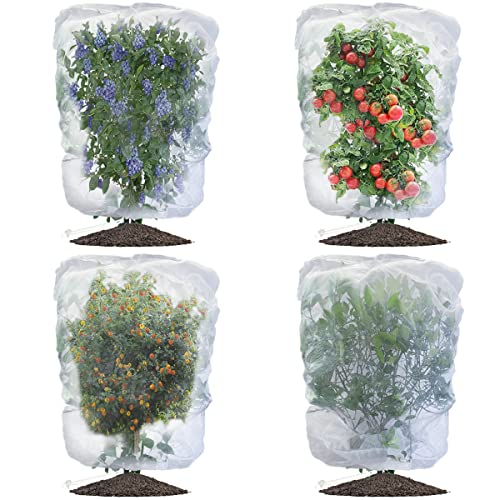
BIRD GARDEN NETTING BAGS with DRAWSTRING: You will receive 4pcs garden netting which 2.3 x 3.5ft, perfect for various plants such as fruit trees, blueberry shrubs, large potted plants, flowers, etc. The large fruit tree covers bags effectively prevents small animals or birds from damaging your plants or fruit, ensuring obtaining more harvest

【Effective Protection for Fruits & Vegetables】 You get two 5x3.28ft garden protection nets with ultra-dense 0.6cm mesh. This bird netting for garden protects against birds, squirrels, mice, and insects. Use it as fruit tree netting for your orchard or plant covers for blueberry bushes, tomato plants, cherry, peach, apple trees, and raised beds -a complete pest barrier for your harvest.

【Heavy Duty Bird Netting】 Protect your garden, fruit trees, vegetables, blueberries, strawberries, vines, chicken coop and raised beds with this durable bird netting. It effectively keeps birds, deer, squirrels and other small animals away without hurting them.
Choosing the Right Type of Netting
Selecting the appropriate type of netting is essential for protecting your fruit trees. Consider these options:
- Bird Netting: Ideal for deterring birds from pecking at ripe fruits. This lightweight, flexible netting provides coverage while allowing sunlight and rain to reach the tree.
- Insect Netting: This fine mesh netting prevents insects from reaching fruit and foliage. It’s particularly effective during flowering stages to protect against pests like aphids and fruit flies.
- Heavy-Duty Netting: Use this when facing severe weather conditions or a high number of pests. It offers added durability and can withstand strong winds or hail.
Make sure to choose a netting with appropriate mesh sizes. Smaller mesh sizes protect against tiny insects, while larger sizes are sufficient for birds.
Proper Installation Methods
Installing netting properly maximizes its effectiveness. Follow these steps for best results:
- Measure Your Trees: Obtain precise measurements of your trees’ height and width. This ensures you purchase enough netting for complete coverage.
- Use Support Structures: Create a framework using stakes or poles to lift the netting above the tree. This prevents direct contact with branches, which can damage both the net and the fruit.
- Secure the Bottom: Weigh down the edges of the netting or bury them slightly in soil to prevent pests from getting underneath. This adds stability and protection.
- Check for Trapped Animals: Regularly inspect the netting to ensure small animals haven’t become entangled. Remove the netting temporarily if you notice any issues.
- Adjust for Tree Growth: As your trees grow, adjust the netting accordingly. Maintain tension and fit to accommodate new branches and unexpected growth.
Following these techniques enhances your success in protecting your fruit trees. Attention to detail during netting ensures a fruitful harvest.
Maintenance and Care for Netted Trees
Maintaining netted trees ensures continued protection and promotes healthy fruit development. Regular monitoring and timely adjustments can make a significant difference in your yield.
Regular Check-Ups
Conduct regular inspections of your netting. Check for any holes or tears that might allow pests access to your fruit. Inspect the support structures to ensure they remain secure and upright. Remove debris that may accumulate on top of the netting, as it can lead to sagging and potential damage. Additionally, look for trapped animals and gently release them if found. Regular check-ups help maintain the integrity of the netting and protect your fruit harvest effectively.
Seasonal Adjustments
Adjust your netting as your trees grow. Different seasons bring changes in tree size and fruit weight, which necessitate modifications to the netting. In spring, ensure the netting allows sunlight and air to reach blossoms, supporting pollination. As fruits develop, consider tightening or raising the net to accommodate growth. Prepare for autumn by reinforcing the netting against potential storms or heavy winds. Seasonal adjustments ensure the netting remains functional and provides optimal protection throughout the year.
Conclusion
Netting your fruit trees at the right time can make all the difference in your harvest. By protecting your trees from birds and pests you’re setting the stage for a bountiful yield. Remember to pay attention to the specific timing for each type of fruit and keep an eye on changing weather conditions.
With the right netting and proper installation techniques you’ll safeguard your trees and enjoy the fruits of your labor. Regular maintenance will ensure your netting continues to do its job season after season. Happy gardening and may your fruit trees thrive!
Frequently Asked Questions
When should I net my fruit trees?
To maximize protection, net your fruit trees before the fruit ripens. For stone fruits like cherries and peaches, net 2-3 weeks before harvest. Apples and pears should be netted during their color change phase, about 2-4 weeks prior. Berry bushes need netting when berries start to form, while citrus trees should be netted during flowering to deter pests.
What types of netting are best for fruit trees?
The best types of netting include bird netting for deterring birds, insect netting for protecting against pests, and heavy-duty netting for severe weather. Choose based on the specific threats to your trees and the conditions in your garden for optimal protection.
How do I properly install netting on my fruit trees?
To install netting effectively, measure trees accurately and use support structures to elevate the netting. Secure the bottom of the netting to prevent pests from getting underneath. Regularly check for trapped animals and ensure the netting is taut but not overly tight.
What maintenance is required for netted fruit trees?
Regular maintenance of netted fruit trees includes inspecting the netting for holes or tears, checking support structures, and removing debris to prevent sagging. Seasonal adjustments are important to accommodate tree growth and changing weather, ensuring optimal protection throughout the year.
Why is netting important for fruit trees?
Netting is crucial for protecting fruit trees from birds, rodents, and insects, which can damage crops and introduce diseases. It reduces fruit loss during critical growing seasons and protects against severe weather, ensuring a more successful harvest and healthier fruit development.
