

Have you ever thought about growing your own fruit trees in Tampa? With its warm climate and rich soil, this vibrant city offers a fantastic opportunity for home gardeners. Imagine stepping into your backyard and picking fresh oranges, mangos, or avocados right off the tree.
Key Takeaways
- Ideal Climate: Tampa’s humid subtropical climate is perfect for growing a diverse range of fruit trees, including citrus, tropical, and subtropical varieties.
- Popular Choices: Recommended fruit trees include citrus (oranges, lemons, grapefruits), mango, avocado, fig, and mulberry, all suited for the local growing conditions.
- Growing Conditions: Ensure well-draining soil, full sun exposure (at least 6-8 hours), and regular watering to promote healthy tree growth and fruit production.
- Soil Quality: Amend soil with organic materials to enhance drainage and maintain a pH level between 6.0 and 7.0 for optimal fruit tree health.
- Maintenance Practices: Regular pruning, mulching, and pest monitoring are essential practices to ensure fruitful harvests and tree longevity in your Tampa garden.
- Sustainability Benefits: Growing fruit trees contributes to a sustainable lifestyle while enhancing local biodiversity, allowing you to enjoy fresh, homegrown produce.
Overview of Fruit Trees in Tampa, Florida
Tampa’s climate provides excellent conditions for a variety of fruit trees. With its warm temperatures and abundant sunshine, you can grow citrus, tropical, and subtropical fruit trees. Consider the following options for your backyard garden:
Citrus Trees
- Oranges: Varieties such as ‘Valencia’ and ‘Navel’ thrive in Tampa’s climate.
- Lemons: ‘Eureka’ and ‘Meyer’ lemons produce fruit year-round.
- Grapefruits: Pink and Ruby Red grapefruits offer delicious flavors.
Tropical Trees
- Mango: Choose from varieties like ‘Haden’ and ‘Tommy Atkins’ for sweet fruit.
- Avocado: ‘Hass’ and ‘Fuerte’ avocados grow well in warm conditions.
Subtropical Trees
- Fig: Varieties like ‘Brown Turkey’ and ‘Celeste’ are adaptable and fruitful.
- Mulberry: Plant ‘Black Beauty’ or ‘Illini’ for fast-growing options.
Planting Considerations
- Soil: Ensure well-draining soil. Amend heavy soil with compost for better drainage.
- Sunlight: Aim for full sun exposure. Most fruit trees require at least 6–8 hours of sunlight daily.
- Watering: Water regularly, especially during dry spells. Young trees need more attention.
- Monitor for common pests like aphids and spider mites. Use insecticidal soap for control.
- Watch for fungal diseases, particularly in humid conditions. Apply fungicides as needed.
Growing fruit trees in Tampa promotes not only a sustainable lifestyle but also enhances local biodiversity. Enjoy the journey of planting and nurturing your own fruit trees, leading to fresh, delicious harvests right from your yard.
Climate and Soil Conditions
Tampa’s climate and soil create an excellent environment for growing fruit trees. The combination of warmth and rich nutrients supports a diverse range of fruit varieties.
Recommended Products

Enhanced Growth Benefits: Supports optimal plant health with superior aeration, effective drainage, excellent nutrient retention, and a balanced pH – everything citrus plants need to thrive.

Made For Potted Citrus Trees: Our citrus potting soil mix is made for potted lemon, lime, orange and other citrus trees that need a lighter growing medium for repotting. We double-screen all of our raw ingredients to support a cleaner, more consistent texture for pouring and repotting potted citrus trees.

Enriched with Organic Fertilizer – This lemon tree fertilizer provides nutrients for up to 6 months, so your citrus trees stay healthy and productive with minimal upkeep.
Understanding the Local Climate
Tampa experiences a humid subtropical climate with hot summers and mild winters. Average temperatures range from 60°F in winter to 90°F in summer. The area receives approximately 50 inches of rain annually, with most precipitation occurring during the summer months. This weather pattern benefits fruit trees, especially tropical and subtropical varieties.
You should consider the following when selecting fruit trees:
- Heat Tolerance: Choose varieties like mango or avocado that thrive in high temperatures.
- Frost Sensitivity: Some fruit trees, like citrus, must be protected from occasional frost in winter.
- Sun Requirements: Most fruit trees need at least 6 hours of direct sunlight daily for optimal growth.
Soil Considerations for Growing Fruit Trees
Soil quality significantly impacts fruit tree health and yield. Tampa’s soil comprises sandy layers mixed with clay and organic matter, which generally provides good drainage. However, you must ensure the soil meets specific requirements for successful growth:
- Well-Draining Soil: Use soil amendments like compost or peat moss to improve drainage and nutrient retention.
- pH Levels: Aim for soil pH between 6.0 and 7.0, as most fruit trees prefer slightly acidic to neutral conditions. You can utilize soil testing kits to determine the pH.
- Fertility: Incorporate organic fertilizers, such as fish emulsion or bone meal, to enhance nutrient levels during the planting and growing phases.
By understanding Tampa’s climate and soil conditions, you can select the appropriate fruit trees and implement the necessary strategies for successful growth right in your backyard.
Popular Fruit Trees in Tampa
Tampa’s warm climate allows for a variety of fruit trees to thrive. Here’s a closer look at some of the most popular options.
Recommended Products

Florida Grown Orange Citrus Fruit Sunshine State Beach Retro Vintage Design. Tropical graphic artwork for patriotic men, women, boys, and girls who plan a holiday trip or summer vacation in Miami, US or America. Also for 4th Of July or Independence Day

Each offer includes 1 potted starter plant

This vintage 1970's style inspired tropical design is perfect for anyone who loves to vacation in Tampa
Citrus Trees
Citrus trees flourish in Tampa due to the abundant sunshine and well-drained soil. Common varieties include:
- Valencia Oranges: Known for their sweet flavor, perfect for juicing.
- Navel Oranges: These are seedless and easy to peel, making them a favorite for snacking.
- Key Limes: Small but packed with flavor, ideal for desserts and cocktails.
Plant citrus trees in a spot that receives at least 8 hours of sunlight daily. Water them regularly, especially during dry spells, while ensuring good drainage to prevent root rot.
Avocado Trees
Avocado trees also thrive in Tampa’s subtropical climate. Top varieties include:
- Hass Avocados: Creamy and rich, they are the most popular type.
- Pinkerton Avocados: These offer a higher oil content and a longer harvest season.
Choose a location that provides protection from wind, as avocado trees can be sensitive to strong gusts. Ensure the soil is well-drained, and consider planting them near a fence or other structures for added support.
Fig Trees
Fig trees add unique flavor to your garden. Popular varieties for Tampa include:
- Brown Turkey Figs: These produce sweet, large fruits and are robust.
- Celeste Figs: Known for their sweet flavor and small size, perfect for fresh eating.
Figs prefer full sun and well-drained soil. Regular pruning promotes air circulation and fruit production. Since they can tolerate some drought, water them thoughtfully, allowing the soil to dry out between watering sessions.
Tips for Growing Fruit Trees
Growing fruit trees in Tampa requires attention to proper techniques and ongoing care to ensure a fruitful harvest. Here are some critical tips to guide you.
Recommended Products
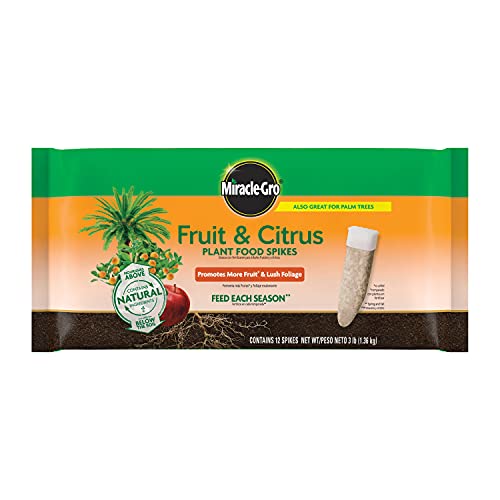
FORMULATED FOR CITRUS AND FRUIT TREES: Use these citrus fertilizer spikes on apple, orange, lemon, lime, and avocado trees; this formula is also great for feeding palm trees

Package contains 9 fruit and citrus fertilizer spikes and is produced to avoid wasteful runoff, mess, hazards and smells

Down to Earth Fruit Tree is a five pound box of all natural fertilizer with 6-2-4 formula and is listed by the Organic Materials Review Institute (OMRI) for use in organic production
Proper Planting Techniques
- Choose the Right Location
Select a site that receives full sun for at least 6-8 hours daily. Good sunlight boosts fruit production. - Prepare the Soil
Mix organic matter like compost into the soil to enhance drainage and nutrient content. Aim for a pH between 6.0 and 7.5 for optimal growth. - Dig the Right Hole
Dig a hole twice as wide and slightly deeper than the tree’s root ball. This allows roots to spread and establish effectively. - Position the Tree Correctly
Place the tree in the hole, ensuring the top of the root ball sits level with the surrounding soil. This prevents water from pooling around the trunk. - Backfill and Water
Fill the hole with soil, gently tamping it down to eliminate air pockets. Water thoroughly to settle the soil around the roots.
- Watering Regularly
Water your trees weekly during dry spells. Ensure the soil is moist but not saturated. Deep watering encourages deep root growth. - Mulching
Apply a 2-4 inch layer of mulch around the base. This conserves moisture, suppresses weeds, and moderates soil temperature. - Fertilizing
Fertilize with a balanced, slow-release fertilizer appropriate for fruit trees. Follow package directions for application rates to avoid over-fertilization. - Pruning
Prune annually to remove dead or crossing branches and to shape the tree. This encourages air circulation and better fruit yield. - Pest and Disease Monitoring
Regularly inspect your trees for signs of pests or diseases, such as yellowing leaves or unusual spots. Treat issues promptly with organic pesticides or fungicides as needed.
By following these tips, your fruit trees will thrive in Tampa’s climate, providing you with delicious, homegrown fruits year after year.
Conclusion
Growing fruit trees in Tampa is not just about enjoying delicious harvests but also about connecting with nature. You’ll find that nurturing these trees can be a fulfilling hobby that brightens your backyard and supports local wildlife.
With the right care and attention to your specific tree varieties you can create a lush oasis filled with vibrant colors and sweet aromas. Whether you choose citrus, tropical, or subtropical options there’s a world of flavors waiting for you.
So go ahead and dig that hole plant your tree and watch it thrive in the beautiful Tampa sunshine. Happy gardening!
Frequently Asked Questions
What are the benefits of growing fruit trees in Tampa?
Growing fruit trees in Tampa offers fresh produce right from your backyard, enhancing your gardening experience. The city’s warm climate and rich soil allow for a variety of trees, including citrus and tropical options. This promotes a sustainable lifestyle and contributes to local biodiversity while providing delicious harvests.
Which fruit trees are best suited for the Tampa climate?
Popular fruit trees for Tampa include citrus trees like ‘Valencia’ and ‘Navel’ oranges, tropical varieties like ‘Haden’ mangoes and ‘Hass’ avocados, and subtropical options such as ‘Brown Turkey’ figs and ‘Black Beauty’ mulberries. These trees thrive in the region’s hot summers and mild winters.
What planting considerations should I keep in mind?
When planting fruit trees in Tampa, ensure you have well-draining soil, adequate sunlight, and a regular watering schedule. It’s important to monitor for pests and diseases, as well as to consider soil quality, pH levels, and heat tolerance of the selected varieties.
How can I improve soil quality for fruit trees?
To improve soil quality for fruit trees, amend it with organic matter to enhance drainage and nutrient retention. Testing the soil’s pH can help you determine the right adjustments needed for optimal growth, as fruit trees generally prefer slightly acidic soil.
What are the care tips for citrus trees in Tampa?
Citrus trees require plenty of direct sunlight, so plant them in sunny spots with good drainage. Regular watering is essential, especially during dry spells. Applying balanced fertilizers and pruning annually will help maintain health and encourage fruit production.
How do I care for avocado trees in Tampa?
To care for avocado trees like ‘Hass’ and ‘Pinkerton,’ plant them in well-drained soil and protect them from strong winds. Regular watering and mulch can conserve moisture. Also, ensure they get sufficient sunlight, as avocados thrive in bright conditions.
What is the importance of annual pruning for fruit trees?
Annual pruning is essential for fruit trees as it encourages healthy growth, improves air circulation, and increases sunlight exposure. It also helps eliminate dead or diseased branches, ensuring the tree remains productive and can produce a better fruit yield each season.
