

Have you ever dreamed of picking fresh fruit right from your own backyard? Growing a fruit tree can seem daunting, but it doesn’t have to be. Whether you’re a seasoned gardener or just starting out, there’s a perfect fruit tree waiting for you.
Imagine enjoying juicy peaches or sweet apples without the hassle of complicated care. This article will guide you through the easiest fruit trees to grow, helping you choose the right one for your space and lifestyle. With a little guidance, you’ll be on your way to enjoying homegrown fruit in no time.
Key Takeaways
- Ideal Fruit Trees: Consider easy-to-grow options like apple, cherry, fig, peach, and lemon trees for minimal maintenance and delicious yields.
- Growing Requirements: Ensure well-drained soil and full sun exposure for optimal growth; each tree may have specific space and watering needs.
- Maintenance Tips: Regular pruning and monitoring for pests can promote healthy growth and higher fruit yields.
- Yield Timeline: Depending on the variety, expect fruit in 1-7 years, with mature trees producing significant quantities annually.
- Soil Preparation: Testing soil pH, adding nutrients, and ensuring proper drainage are crucial for establishing a healthy environment for fruit trees.
- Challenge Awareness: Be prepared for pests, diseases, and weather impacts, utilizing preventive measures for successful fruit tree cultivation.
What Fruit Tree Is Easy to Grow?
Choosing the right fruit tree can transform your garden into a fruitful paradise. Some trees require minimal care and yield delicious results. Here are a few of the easiest fruit trees to consider for your space.
Recommended Products

🌳 3-Pack Fruit Tree Bundle Includes live apple, plum, and pear trees—perfectly paired for a diverse and productive backyard orchard.

4 kinds of the most popular fruits, individually packaged, 50pcs Lemon seeds 50pcs Cherry seeds 50pcs Orange seeds 50pcs Apple seeds Fresh seeds, all fruit seeds are packed in tear and moisture resistant zipper sealed bags for your long term storage.

1. Apple Trees
- Varieties: Choose from dwarf, semi-dwarf, or standard apple trees.
- Requirements: They thrive in well-drained soil and full sun.
- Maintenance: Prune in late winter to improve airflow and fruit production.
- Yield: Expect apples in 3-5 years, with some varieties producing up to 100 pounds of fruit annually.
2. Cherry Trees
- Varieties: Sweet and tart varieties are available; consider your taste preference.
- Requirements: Plant in well-drained soil with full sun exposure.
- Maintenance: Minimal upkeep; pruning promotes healthy growth.
- Yield: Enjoy fruit in 3-7 years, with a mature tree producing 30-50 pounds annually.
3. Fig Trees
- Varieties: Look for common varieties like Black Mission or Kadota.
- Requirements: They flourish in sandy, well-drained soil and need full sun.
- Maintenance: Little pruning is necessary; mainly a focus on watering.
- Yield: Harvest figs within 2-3 years, with a well-established tree yielding 20-40 pounds per season.
4. Peach Trees
- Varieties: Select between freestone and clingstone peaches based on your preference.
- Requirements: They prefer well-drained soil and thrive in full sun.
- Maintenance: Prune in late winter to promote healthier growth.
- Yield: Get peaches in 3-4 years, with mature trees producing up to 150 pounds yearly.
5. Lemon Trees
- Varieties: Consider ‘Improved Meyer’ for a sweeter lemon olive flavor.
- Requirements: They need well-drained soil and full sun, preferably in warmer climates.
- Maintenance: Regular watering and occasional fertilizing keep them healthy.
- Yield: Expect lemons in 1-2 years, with mature trees bearing up to 100 fruits annually.
- Site Selection: Choose a sunny spot with good drainage for planting.
- Watering: Regular watering promotes healthy root growth, especially during dry spells.
- Pest Control: Monitor for pests and diseases; organic solutions are available if needed.
- Fertilization: Use balanced fertilizers in spring to sustain growth.
By selecting trees suited to your region and needs, you can enjoy homegrown fruit with ease.
Popular Easy-to-Grow Fruit Trees
Growing your own fruit trees can be rewarding and manageable. Here are several popular options that thrive with minimal effort.
Recommended Products
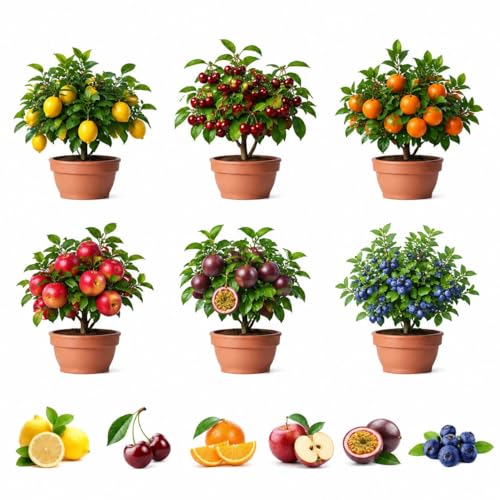
Comprehensive Fruit Variety Pack: This collection features 180 total seeds including 40 Lemon, 40 Orange, 40 Apple, 40 Passion Fruit, 10 Cherry, and 10 Blueberry seeds for a diverse home orchard experience

Product Quantity: 180+ premium bonsai fruit seeds across 5 varieties; Individual packs contain 40+ apple, 40+ lemon, 40+ orange, 20+ blueberry, and 40+ cherry seeds; Perfect for starting a diverse miniature orchard

Apple Trees
Apple trees come in many varieties that suit different climates and tastes. Most common varieties include Fuji, Gala, and Granny Smith. They prefer well-drained soil and full sun. When planting, space them at least 15-20 feet apart to allow for growth. Regular watering, especially in dry spells, ensures healthy fruit development. Expect to harvest apples within 3-5 years after planting. Watch for common pests like apple maggots and treat them promptly.
Peach Trees
Peach trees are known for their sweet, juicy fruit. Varieties like Redhaven and Elberta thrive in most locations. They need well-drained, sandy soil and full sunlight, ideally 6-8 hours per day. Plant these trees 15-20 feet apart for optimal air circulation. Water consistently during dry periods. Expect your first peaches in approximately 3-4 years. Keep an eye out for pests such as peach tree borers and nip problems in the bud with organic pest control solutions.
Pear Trees
Pear trees, such as Bartlett and Bosc, are easy to maintain and produce delicious fruit. They grow well in similar conditions as apples, preferring full sun and well-drained soil. Space them 15-20 feet apart for proper airflow. Water them regularly during dry spells, especially in their first few years. You’ll typically harvest pears 3-6 years after planting. Be aware of potential pests like pear psylla and manage them with appropriate treatments.
Tips for Growing Fruit Trees
Growing fruit trees simplifies the process of enjoying fresh produce at home. Here are essential tips to ensure your fruit trees thrive.
Selecting the Right Variety
Choose fruit trees suitable for your climate and space. Look for varieties known for easy growth, such as:
- Apple Trees: Opt for Fuji or Gala for reliable yields.
- Peach Trees: Consider Redhaven or Elberta for sweetness.
- Pear Trees: Try Bartlett or Bosc for minimal maintenance.
Research local conditions and find trees that adapt well to your environment. Consult local gardening centers or extension services for advice specific to your region.
Preparing the Soil
Good soil is vital for healthy fruit trees. Follow these steps to prepare it:
- Test the Soil: Check pH levels. Most fruit trees prefer a pH between 6.0 and 7.0.
- Amend as Needed: Add compost or well-rotted manure to enhance nutrients.
- Ensure Drainage: Loose, well-drained soil helps prevent root rot. If necessary, create raised beds to improve drainage.
Creating the right soil environment ensures strong root systems and robust growth.
Watering and Fertilizing
Consistent watering and proper fertilization significantly impact fruit tree growth. Consider these guidelines:
- Watering: Water deeply but infrequently. Aim for about 1 inch of water per week, adjusting based on rainfall. During dry spells, check soil moisture regularly.
- Fertilizing: Use a balanced fertilizer in early spring, following package instructions. Consider an organic option for an eco-friendly approach.
Monitor your trees for signs of stress, such as wilting or yellowing leaves, and adjust your watering and fertilizing routine as needed.
Common Challenges in Growing Fruit Trees
Growing fruit trees comes with challenges. Being aware of these can help you navigate potential issues effectively.
Pests and Diseases
Pests and diseases threaten fruit tree health. Common pests include aphids, mites, and fruit flies. Effective pest management often involves:
- Regular Inspections: Check leaves and branches for signs of damage or infestation.
- Natural Predators: Introduce beneficial insects like ladybugs to control pest populations.
- Organic Sprays: Use neem oil or insecticidal soap for targeted treatment.
Fungal diseases, such as powdery mildew and root rot, can also arise. Maintain air circulation and avoid overhead watering to prevent these issues. Selecting disease-resistant varieties, like certain apple or peach trees, further enhances success.
Weather Conditions
Weather conditions significantly impact fruit tree growth. Extreme temperatures and unpredictable weather patterns can hinder production. Key points to consider include:
- Frost Risk: Protect young trees from late spring frost by covering them with blankets or cloth at night.
- Heat Stress: Ensure trees receive sufficient water during hot spells. Consider mulching to retain soil moisture.
- Rainfall and Soil Drainage: Monitor soil drainage, especially after heavy rain. Poor drainage might lead to root rot.
Understanding your climate and choosing varieties suited to your region fosters healthy growth and fruit production. Seek local gardening resources or extension services for specific recommendations tailored to your area’s conditions.
Conclusion
Growing your own fruit trees can be a rewarding and enjoyable experience. With the right choices and a little care you can transform your backyard into a bountiful oasis. Remember to select varieties that suit your climate and space while following the essential tips for maintenance.
Don’t be discouraged by potential challenges; with some patience and attention you’ll be well on your way to enjoying fresh, homegrown fruit. So grab your gardening gloves and get started on this delicious journey. Your fruitful paradise awaits!
Frequently Asked Questions
What are the easiest fruit trees to grow in my backyard?
Growing fruit trees like apple, cherry, fig, peach, and lemon can be easy for both beginners and seasoned gardeners. Each tree has specific requirements, but many thrive in similar conditions, requiring well-drained soil and full sun.
How long does it take for fruit trees to bear fruit?
Most fruit trees take between 3 to 6 years to produce fruit after planting. For example, apple trees can yield within 3-5 years, while peach trees may bear fruit in about 3-4 years.
What should I consider when choosing fruit trees?
Consider your climate, available space, and the specific needs of the fruit trees. Choose varieties that thrive in your region and fit your gardening style to ensure a successful harvest.
How can I maintain my fruit trees for optimal growth?
Regular watering, pest control, and appropriate fertilization are key to maintaining healthy fruit trees. Water deeply but infrequently and use a balanced fertilizer in early spring.
What are common challenges when growing fruit trees?
Common challenges include pests, diseases, and weather conditions. Regular inspections, using organic sprays, and maintaining good drainage can help manage these issues effectively.
How do I protect my fruit trees from pests?
Introduce natural predators, conduct regular inspections, and apply organic sprays to combat pests. Maintaining air circulation around the trees also helps prevent infestations.
Can I grow fruit trees in containers?
Yes, many fruit trees can be successfully grown in containers. Choose dwarf varieties, ensure the pot has good drainage, and maintain proper watering and fertilization for optimal growth.
