

Ever wondered how to effortlessly trim those pesky overgrown branches in your backyard without breaking a sweat? Picture this: you’re in your garden, surrounded by unruly branches that desperately need a trim. Enter the bypass lopper – your trusty gardening companion that makes pruning a breeze. Curious about what exactly a bypass lopper is and how it can revolutionize your gardening routine? You’re in the right place!
In this article, we’ll unravel the mystery behind the bypass lopper and explore its numerous benefits. From effortlessly cutting through thick branches to promoting healthy plant growth, the bypass lopper is a game-changer for both novice and seasoned gardeners alike. Get ready to elevate your pruning game and transform your outdoor space into a flourishing oasis with the help of this essential tool.
What is a Bypass Lopper?
If you’re wondering what a bypass lopper is, think of it as a giant pair of scissors for your garden. This tool consists of long handles, typically around 2 feet, and sharp blades at the end. Unlike an anvil lopper that crushes the branch, a bypass lopper cuts cleanly with a scissor-like action.
Designed for precision, the bypass lopper allows you to snip hard-to-reach branches without damaging the surrounding foliage. Its long handles provide leverage, making it easier to trim dense or overgrown areas in your garden.
Perfect for pruning, the bypass lopper enables you to make clean cuts, which are essential for plant health. By removing dead or damaged branches, you promote new growth and healthier plants.
A bypass lopper is an essential tool for any gardener looking to maintain their outdoor space with ease. Whether you’re a beginner or a seasoned pro, having a bypass lopper in your gardening arsenal can make a world of difference in keeping your plants thriving and your garden looking its best.
Recommended Products
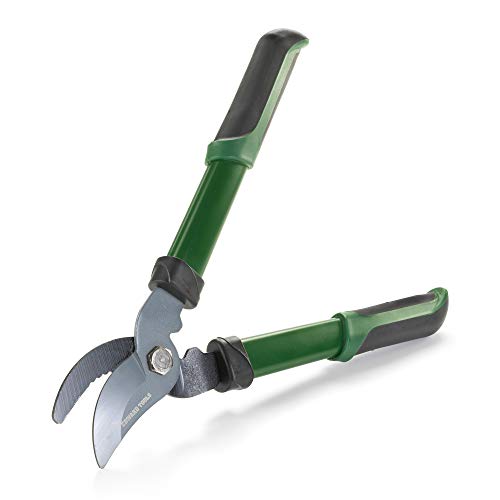
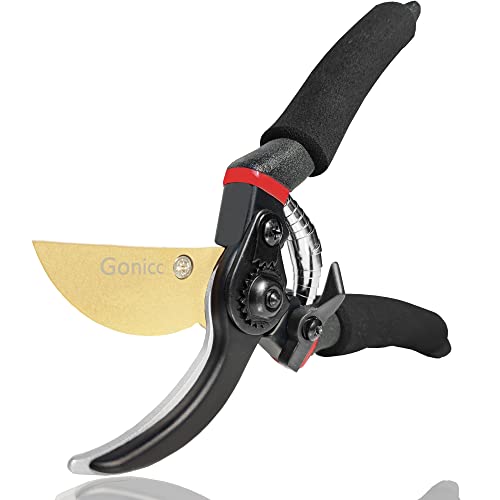
Drop-forged construction delivers exceptional durability and sturdiness for long-term heavy garden use.

High-Quality Carbon Steel Blade: Crafted from durable carbon steel, offering sharpness and strength for effective pruning.
How Does a Bypass Lopper Work?
When you use a bypass lopper, imagine it as a giant pair of scissors. The long handles provide leverage, making it easier to cut through branches. The sharp blades of the bypass lopper slide past each other, giving you a clean and precise cut.
- Step 1: Open the lopper fully and position it around the branch you want to cut.
- Step 2: Close the lopper handles, and the blades will slice cleanly through the branch.
- Tip: Ensure the blades are sharp to make cutting effortless and prevent damage to the plant.
The bypass cutting action is vital. Unlike an anvil lopper that crushes the branch, a bypass lopper slices neatly, promoting faster healing for the plant. This precision is essential for pruning, as it minimizes damage and reduces the risk of disease.
When selecting a bypass lopper, consider the blade material. Opt for high-quality steel for durability and sharpness. Ergonomic handles with a comfortable grip will reduce strain on your hands during use.
With the right technique and a quality bypass lopper, you can prune your garden with ease, ensuring your plants stay healthy and vibrant. So, next time you’re out in the garden, grab your bypass lopper and enjoy the satisfying process of caring for your plants.
Benefits of Using a Bypass Lopper
- Clean Cuts: With sharp blades that slice cleanly through branches, a bypass lopper ensures minimal damage to plants, promoting faster healing.
- Precise Pruning: The bypass cutting action of the lopper allows for accurate and targeted cuts, ideal for shaping and maintaining plant health.
- Reduced Strain: Ergonomic handles on a quality bypass lopper provide comfort during use, reducing strain on your hands and arms.
- Versatility: You can tackle a variety of pruning tasks with a bypass lopper, from small twigs to thicker branches, enhancing gardening efficiency.
- Longevity: Opting for a lopper with high-quality steel blades ensures durability and longevity, offering lasting performance for your pruning needs.
| Important Facts |
|---|
| Clean cuts promote faster healing and plant health |
| Ergonomic handles reduce strain on hands and arms |
| High-quality steel blades ensure durability and longevity |
Tips for Using a Bypass Lopper Effectively
- Adjust Grip: Ensure a comfortable grip on the bypass lopper handles to improve control during pruning.
- Choose the Right Blade Size: Select a blade size that matches the diameter of the branches you are cutting.
- Proper Cutting Technique: Position the lopper blades close to the base of the branch and make a clean cut in one smooth motion.
- Regular Maintenance: Keep your bypass lopper clean and sharp for efficient cutting performance.
- Safety Precautions: Always wear gloves and safety goggles when using a bypass lopper to protect your hands and eyes.
- Prune at the Correct Time: Know the best time to prune different plants to promote healthy growth.
| Blade Size | Recommended Branch Diameter |
|---|---|
| Small | Up to 1 inch |
| Medium | 1-2 inches |
| Large | Over 2 inches |
Recommended Products

Effortless Compatibility: Equip your gardening toolkit with IMPRESA's lopper replacement blades, expertly designed for Fiskars PowerGear models. These high-performance blades ensure a precise fit for seamless tree trimmer and branch cutter tasks

【DURABLE ALLOY STEEL CONSTRUCTION】Pruner and lopper replacement blades are made from high-quality alloy steel, with excellent strength and sharpness, making cutting thick branches and tough wood effortless.

IDEAL BRANCH TRIMMER: 28" Steel blade garden bypass lopper that glides through up to 1.5" thick branches for easy cuts; Works well for trimming tree branches to maintain your yard and garden, and to encourage overall plant health and appearance
Conclusion
You’ve learned valuable tips on how to wield a bypass lopper effectively. Adjust your grip, select the right blade size, and master proper cutting techniques. Remember to maintain your lopper for peak performance, prioritize safety with gloves and goggles, and time your pruning correctly. With blade sizes tailored to branch diameters, you’re equipped to tackle any trimming task with ease. Happy gardening!
Frequently Asked Questions
What are some tips for using a bypass lopper effectively?
To use a bypass lopper effectively, adjust your grip for better control, select the appropriate blade size based on the branch diameter, follow proper cutting techniques for clean cuts, maintain the lopper for optimal performance, wear gloves and goggles for safety, and prune at the right time for different plants.
How are blade sizes categorized for bypass loppers?
Blade sizes for bypass loppers are categorized based on recommended branch diameters: small blades for branches up to 1 inch thick, medium blades for branches between 1-2 inches thick, and large blades for branches over 2 inches thick.
