
Close Menu
    Fruit Tree Hub
    • Home
    • Apple Trees
    • Lemon Trees
    • Mango Trees
    • Orange Trees
    • More Trees
      • Best Fruit Trees
      • Apricot Trees
      • Cherry Trees
      • Fig Trees
      • Lime Trees
      • Mulberry Trees
      • Peach Trees
      • Pear Trees
      • Plum Trees
      • Pomegranate Trees
    • Tips and Advice
      • Tools
    • About Us
      • Contact
      • Privacy Policy
    Fruit Tree Hub
    Home»Tips and Advice»Do Yoshino Cherry Trees Have Fruit and What to Know About Their Unique Characteristics
    Tips and Advice

    Do Yoshino Cherry Trees Have Fruit and What to Know About Their Unique Characteristics

    Martha JacksonBy Martha JacksonJanuary 19, 20257 Mins Read
    Share Facebook Twitter Pinterest WhatsApp Email
    Share
    Facebook Twitter LinkedIn Pinterest Telegram Email

    Have you ever admired the stunning blooms of Yoshino cherry trees and wondered if they produce fruit? You’re not alone. Many people enjoy the beauty of these trees during spring but are curious about what happens after the petals fall.

    Contents show
    1 Key Takeaways
    2 Overview of Yoshino Cherry Trees
    3 Characteristics of Yoshino Cherry Trees
    3.1 Appearance and Growth
    3.2 Blooming Season
    4 Do Yoshino Cherry Trees Have Fruit?
    4.1 Fruit Description
    4.2 Pollination and Growth Conditions
    5 Uses of Yoshino Cherry Trees
    5.1 Ornamental Purposes
    5.2 Ecological Benefits
    6 Conclusion
    7 Frequently Asked Questions
    7.1 Do Yoshino cherry trees produce fruit?
    7.2 What are the ideal growing conditions for Yoshino cherry trees?
    7.3 How tall do Yoshino cherry trees grow?
    7.4 When do Yoshino cherry trees bloom?
    7.5 What attracts pollinators to Yoshino cherry trees?
    7.6 Can I plant multiple Yoshino cherry trees together?
    7.7 Are Yoshino cherry trees easy to maintain?

    While these trees are famous for their breathtaking flowers, you might be surprised to learn that their fruit is quite different from what you’d expect. This article will clarify whether Yoshino cherry trees bear fruit and what that means for your garden or landscape. By the end, you’ll have a better understanding of these lovely trees and how they fit into the world of fruit-bearing plants.

    Key Takeaways

    • Yoshino Cherry Trees: Known scientifically as Prunus x yedoensis, these ornamental trees are celebrated for their stunning pink and white blossoms, blooming in early spring.
    • Fruit Production: While Yoshino cherry trees do produce small dark purple drupes, they are mostly sour and not commonly used for culinary purposes, attracting birds instead.
    • Growth Conditions: These trees thrive in well-drained soil, full sun, and require specific conditions for optimal growth and fruit production, including slightly acidic soil and regular watering.
    • Ecological Benefits: Planting Yoshino cherry trees supports local wildlife, providing food for birds and promoting pollination with the help of bees.
    • Aesthetic Appeal: In addition to their flowers, the trees offer year-round beauty with graceful canopies and vibrant autumn foliage, making them excellent additions to gardens and landscapes.
    MUST READ
    When Does a Mulberry Tree Produce Fruit: A Complete Guide to Timing and Care

    Overview of Yoshino Cherry Trees

    Yoshino cherry trees, scientifically known as Prunus x yedoensis, are popular ornamental trees recognized for their stunning pink and white blossoms. These trees typically grow 20 to 40 feet tall and thrive in well-drained soils with full sun exposure. They flourish in USDA hardiness zones 5 to 8, making them suitable for various climates.

    Blooming occurs in early spring, often around late March to early April, attracting numerous pollinators, including bees. The flowers showcase a delicate fragrance, inviting visitors to appreciate their beauty. Meticulously pruning these trees promotes a healthy shape and maximizes flowering potential.

    While Yoshino cherry trees are primarily celebrated for their spectacular blooms, they do produce small fruit known as drupes. These drupes are typically less than one inch in diameter and turn dark purple when ripe. However, the fruit is often sour and not sought after for culinary use. Bird enthusiasts enjoy these trees as they attract birds that feed on the drupes.

    For gardeners and landscapers, planting Yoshino cherry trees provides aesthetic appeal and supports local ecosystems. When selecting a planting site, ensure ample space for the tree’s mature size and root system. Consider companion plants that flourish in similar conditions to create a visually appealing landscape.

    Yoshino cherry trees offer beauty, ecological benefits, and minimal maintenance, making them a cherished addition to gardens.

    Recommended Products

    Yoshino Ornamental Flowering Cherry Tree - Live Plant - (1 QT)
    Yoshino Ornamental Flowering Cherry Tree - Live Plant - (1 QT)

    This Plant will Ship in a fabric Grow Bag ( see pics ) - The plants are grown in a 1 Quart nursery pot, but they will not ship in in the pot

    VIEW LATEST PRICE

    As an affiliate, we earn on qualifying purchases.

    American Plant Exchange Flowering Cherry Tree 'Weeping Yoshino' – Live Ornamental Tree, 5-Gallon Pot, Cold Hardy, Cascading Pink-White Spring Blooms for Outdoor Gardens and Landscapes
    American Plant Exchange Flowering Cherry Tree 'Weeping Yoshino' – Live Ornamental Tree, 5-Gallon Pot, Cold Hardy, Cascading Pink-White Spring Blooms for Outdoor Gardens and Landscapes

    Flowering Cherry Tree 'Weeping Yoshino' – Features graceful, cascading branches adorned with pale pink to white blossoms, creating a stunning focal point in any landscape.

    MUST READ
    How Long for an Apple Tree to Bear Fruit: Tips for Faster Growth and Bountiful Harvests
    VIEW LATEST PRICE

    As an affiliate, we earn on qualifying purchases.

    5 Yoshino Cherry Tree Seeds Flowering Japanese Ornamental Garden Seed Flower Perennial Prunus Flowers
    5 Yoshino Cherry Tree Seeds Flowering Japanese Ornamental Garden Seed Flower Perennial Prunus Flowers

    Sunlight: Full-Partial

    VIEW LATEST PRICE

    As an affiliate, we earn on qualifying purchases.

    Characteristics of Yoshino Cherry Trees

    Yoshino cherry trees, scientifically known as Prunus x yedoensis, exhibit unique features that make them an appealing choice for gardens and landscapes. Their beauty and minimal maintenance requirements draw many enthusiasts.

    Recommended Products

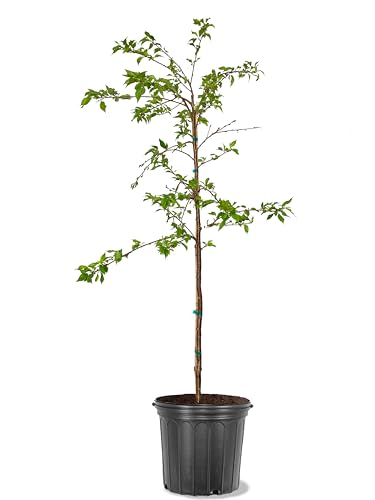
    Shidare Yoshino Japanese Weeping Cherry - White Flowering Tree - Live Plant Shipped 1 to 2 Feet Tall by DAS Farms
    Shidare Yoshino Japanese Weeping Cherry - White Flowering Tree - Live Plant Shipped 1 to 2 Feet Tall by DAS Farms

    Do not transplant into another container, only the ground. All pictures are of fully grown plants. Sizes shipped are in the title and description. Deciduous plants do not have leaves in the winter.
    VIEW LATEST PRICE

    As an affiliate, we earn on qualifying purchases.

    Kwanzan Cherry Blossom Tree Live Plants (3 Pack) – Bare Root Dormant Saplings – Double Pink Flowering Ornamental Trees – Fast Growing Landscape Cherry Trees for Yard & Garden
    Kwanzan Cherry Blossom Tree Live Plants (3 Pack) – Bare Root Dormant Saplings – Double Pink Flowering Ornamental Trees – Fast Growing Landscape Cherry Trees for Yard & Garden

    🌸 Stunning Double Pink Blooms Produces lush, layered pink blossoms in spring that create a dramatic, cloud-like display—one of the most eye-catching ornamental trees you can grow.

    VIEW LATEST PRICE

    As an affiliate, we earn on qualifying purchases.

    Yoshino Flowering Cherry Tree - Live Plant - 6-12" Tall Seedling - 3" Pot - Ships Potted
    Yoshino Flowering Cherry Tree - Live Plant - 6-12" Tall Seedling - 3" Pot - Ships Potted

    For sale is one Yoshino Flowering Cherry tree that is 6-12" tall and shipped in a 3" pot

    VIEW LATEST PRICE

    As an affiliate, we earn on qualifying purchases.

    Appearance and Growth

    Yoshino cherry trees thrive as deciduous trees, typically reaching heights of 20 to 30 feet. You’ll notice their graceful, spreading canopy, which offers inviting shade. The bark, smooth and light gray, adds to their charm. Leaves are glossy green, turning vibrant shades of yellow and orange in autumn before they drop. These trees grow best in well-drained soil and full sun. You can expect moderate growth rates of about 12 to 24 inches per year under optimal conditions.

    MUST READ
    Where to Buy Fruit Tree Seeds: Top Retailers and Tips for Successful Gardening

    Blooming Season

    Blooming occurs in early spring, usually from late March to early April. During this time, clusters of pale pink to white flowers cover the branches, creating a stunning visual display. You may find that the blooms last for about one to two weeks, depending on weather conditions. Warm days and cool nights enhance the vibrancy and longevity of these blossoms. You can attract pollinators like bees by ensuring surrounding areas have diverse flowering plants during this season.

    Do Yoshino Cherry Trees Have Fruit?

    Yes, Yoshino cherry trees produce fruit, but it’s not the type you might expect. After their stunning blossoms, these trees bear small, sour drupes that measure about 0.5 inches in diameter. These fruits are typically not used in cooking due to their tartness, but they do attract various bird species that enjoy feeding on them.

    Fruit Description

    The fruit of the Yoshino cherry tree, known scientifically as Prunus x yedoensis, is a small, dark purple to black drupe. Each drupe contains a single seed, which is surrounded by a thin layer of edible flesh. While these fruits aren’t highly sought after for human consumption, their sour taste doesn’t deter birds like robins and cedar waxwings from enjoying them during summer months.

    Pollination and Growth Conditions

    Yoshino cherry trees thrive in specific pollination and growth conditions. These trees are primarily pollinated by bees, particularly honeybees. The ideal conditions for growth include well-drained soil and full sun, with a slightly acidic pH level ranging from 5.5 to 6.5. Regular watering during dry periods supports healthy fruit development.

    You can enhance productivity by planting multiple Yoshino cherry trees to encourage cross-pollination. Ensure placement in areas where they receive at least six hours of direct sunlight daily. Proper maintenance, such as pruning after flowering, contributes to healthier trees and may lead to better fruiting as the trees mature.

    Uses of Yoshino Cherry Trees

    Yoshino cherry trees serve multiple purposes, from enhancing landscapes to providing ecological benefits.

    Recommended Products

    Brighter Blooms - Yoshino Cherry Tree, 4-5 ft. - No Shipping to AK, AZ, CA, CO, HI, ID, OR, WA
    Brighter Blooms - Yoshino Cherry Tree, 4-5 ft. - No Shipping to AK, AZ, CA, CO, HI, ID, OR, WA

    Celebrated for its ethereal beauty, the Yoshino Cherry Tree is a perennial favorite among flower enthusiasts. Its exquisite blossoms are more than just flowers; they're a captivating spectacle, marking the arrival of spring in a breathtaking display of purity and elegance. The Yoshino's delicate white blooms, a symbol of renewal and grace, grace the landscape in a burst of magnificence.

    MUST READ
    What Fruit Trees Grow Best in Pennsylvania: A Guide to Thriving Varieties and Care Tips
    VIEW LATEST PRICE

    As an affiliate, we earn on qualifying purchases.

    Yoshino Cherry Blossom Tree Live Plant 2-3 Ft, Flowering Cherry Blossom Tree for Outdoor Garden, 3 Gallon Pot, Ornamental Spring Planting, Fast Growing, No Ship to CA
    Yoshino Cherry Blossom Tree Live Plant 2-3 Ft, Flowering Cherry Blossom Tree for Outdoor Garden, 3 Gallon Pot, Ornamental Spring Planting, Fast Growing, No Ship to CA

    Yoshino cherry tree live plant in a 3 gallon pot, approximately 2 to 3 feet tall and ready for outdoor planting

    VIEW LATEST PRICE

    As an affiliate, we earn on qualifying purchases.

    Weeping Cherry Blossom Tree, 4-10 Inch Tall in 2.5 Pot, Live Plant, Dwarf Cherry Flower
    Weeping Cherry Blossom Tree, 4-10 Inch Tall in 2.5 Pot, Live Plant, Dwarf Cherry Flower

    Height: 4-10 inches tall

    VIEW LATEST PRICE

    As an affiliate, we earn on qualifying purchases.

    Ornamental Purposes

    Yoshino cherry trees are prized for their stunning spring blossoms. The clusters of pink and white flowers create breathtaking displays that attract visitors to parks and gardens. Their graceful spreading canopy offers shade, making them perfect for recreational spaces. When selecting these trees for your landscape, consider placing them where their beauty can be fully appreciated. Plant them near pathways or in open areas to invite admiration. Additionally, their visually appealing smooth bark and vibrant autumn foliage contribute to year-round interest in your garden.

    Ecological Benefits

    Yoshino cherry trees play a vital role in local ecosystems. The small drupes produced by these trees attract various bird species, including robins and cedar waxwings, providing them a food source in the summer months. Planting multiple Yoshino cherry trees increases cross-pollination, enhancing fruit production and supporting wildlife. You also help create a diverse environment by adding these trees to your landscape, benefiting pollinators such as bees and butterflies. Incorporating these trees into your garden design means fostering a healthy ecosystem while enjoying their beauty.

    MUST READ
    What Type of Fertilizer to Use on Fruit Trees for Maximum Growth and Fruit Production

    Conclusion

    Yoshino cherry trees are a delightful addition to any garden with their stunning blooms and graceful canopies. While their fruit may not be the star of the show for culinary enthusiasts, it plays an essential role in attracting birds and supporting local wildlife.

    By planting these trees, you’re not just enhancing your landscape; you’re also contributing to a vibrant ecosystem. With proper care and attention, your Yoshino cherry trees can thrive and bring joy to your outdoor space for years to come. Enjoy the beauty they offer each spring and the life they attract throughout the seasons.

    Frequently Asked Questions

    Do Yoshino cherry trees produce fruit?

    Yes, Yoshino cherry trees do produce fruit. They bear small, sour drupes that are usually not favored for culinary uses but can attract birds like robins and cedar waxwings.

    What are the ideal growing conditions for Yoshino cherry trees?

    Yoshino cherry trees thrive in well-drained soil with a slightly acidic pH and full sun exposure. Regular watering and maintenance are also important for healthy growth.

    How tall do Yoshino cherry trees grow?

    These trees typically reach heights of 20 to 30 feet and feature a graceful, spreading canopy that provides inviting shade.

    When do Yoshino cherry trees bloom?

    Yoshino cherry trees usually bloom in early spring, from late March to early April, and their beautiful clusters of flowers last one to two weeks, depending on weather conditions.

    What attracts pollinators to Yoshino cherry trees?

    The stunning spring blossoms of Yoshino cherry trees attract various pollinators like bees and butterflies, which are essential for the tree’s growth and fruit production.

    Can I plant multiple Yoshino cherry trees together?

    Yes, planting multiple Yoshino cherry trees can enhance productivity through cross-pollination, resulting in better fruiting as the trees mature.

    Are Yoshino cherry trees easy to maintain?

    Yes, Yoshino cherry trees have minimal maintenance requirements, making them an excellent choice for gardeners seeking beauty with relatively little effort.

    Share. Facebook Twitter Pinterest LinkedIn Tumblr Email
    martha jackson
    Martha Jackson

      Martha Jackson is an accomplished freelance writer and editor with a strong interest in gardening. With a degree in English from the University of California, Berkeley, Martha has over 15 years of experience writing for a variety of publications. She is passionate about making gardening accessible to all and is always seeking out new techniques and innovations.

      Related Posts

      How Long Until Avocado Trees Bear Fruit and Tips for Faster Growth at Home

      February 20, 2025

      What Yellow Fruit Grows on Trees and Their Delicious Health Benefits

      February 20, 2025

      How to Air Layer Fruit Trees: A Step-by-Step Guide for Successful Propagation

      February 20, 2025

      When Do Grapefruit Trees Produce Fruit and How to Maximize Your Harvest

      February 20, 2025

      What Is a Fast Growing Fruit Tree: Discover Quick-Yield Options for Your Garden

      February 20, 2025

      Do Cherry Blossom Trees Have Fruit? Discover the Truth About Their Edibility and Benefits

      February 20, 2025
      Leave A Reply Cancel Reply

      Affiliate Disclosure

      As an Amazon Associate I earn from qualifying purchases.

      Recommended Reading

      Can Papaya Trees Grow in Alabama? Regional Harvest Secrets

      What Fruit Trees Grow Fastest: Your Guide to Quick Harvests and Easy Care

      Top Fruit Trees for Milwaukee, WI: Growing Near the Lake

      Do You Need Two Pear Trees to Produce Fruit for a Bountiful Harvest This Season

      Growing Almond Trees in Bakersfield, CA: Hot Climate Mastery

      What Fruit Trees Grow Well in South Carolina: Best Varieties and Care Tips for Your Garden

      What Fruit Trees Are Compatible for Grafting: A Guide to Successful Pairings and Techniques

      Where Can I Buy Fruit Trees: Top Places for Healthy Plants and Expert Guidance

      Lemon Trees in Tennessee (Mountain and Valley Success Tips)

      How Old are the Fruit Trees at Home Depot and What You Need to Know Before You Buy

      Fruit Tree Hub

      Fruit Tree Hub is a website dedicated to providing you everything you need to grow fruit trees successfully at in your own yard.

      Contact us at: [email protected]

      - AFFILIATE DISCLOSURE: As an Amazon Associate I earn from qualifying purchases.

      Latest Posts

      Growing Olive Trees in Virginia: Piedmont Regional Advice

      How to Grow Guava Trees in Detroit, MI: Urban Garden Secrets

      Growing Papaya Trees in Missouri: Expert Advice for Gardeners

      Can Lime Trees Grow in Laredo, TX? South Texas Growth Tips

      Can Walnut Trees Grow in Florida? Subtropical Success Secrets

      How to Grow Loquat Trees in Phoenix, AZ: Desert Heat Secrets

      Mango Trees in Connecticut (New England Cold-Hardiness Secrets)

      Can Tangerine Trees Grow in Florida? Tropical Success Secrets

      Categories
      • Almond Trees
      • Apple Trees
      • Apricot Trees
      • Best Fruit Trees
      • Blackberry
      • Cantaloupe
      • Cherry Trees
      • Crochet Ideas
      • Crochet Ideas for Beginners
      • Cucamelon
      • Easy Crochet Ideas
      • Easy Knitting Projects
      • Fig Trees
      • Grapefruit Trees
      • Grapes
      • Guava Trees
      • Honeydew
      • Jujube Trees
      • Kiwi
      • Knitting For Beginners
      • Knitting Ideas
      • Knitting Inspiration
      • Lemon Trees
      • Lime Trees
      • Loquat Trees
      • Mango Trees
      • Mulberry Trees
      • Nectarine Trees
      • Olive Trees
      • Orange Trees
      • Papaya Trees
      • Peach Trees
      • Pear Trees
      • Persimmon Trees
      • Planting
      • Plum Trees
      • Pomegranate Trees
      • Quince Trees
      • Raspberry
      • Reviews
      • Small Crochet Ideas
      • Star Fruit Trees
      • Summer Crochet Ideas
      • Tamarind Trees
      • Tangerine Trees
      • Tips and Advice
      • Tools
      • Uncategorized
      • Walnut Trees
      © 2026 Fruit Tree Hub
      • Home
      • About Us
      • Contact
      • Privacy Policy
      • Terms and Conditions
      • Disclaimer
      • Editorial Policy
      • Affiliate Disclosure

      Type above and press Enter to search. Press Esc to cancel.