

Have you ever wondered what fruit trees thrive in Austin’s unique climate? With its warm summers and mild winters, Austin offers a perfect setting for growing a variety of delicious fruits right in your backyard. Whether you’re a seasoned gardener or just starting out, knowing which trees to plant can make all the difference.
Imagine stepping outside to pick fresh peaches or juicy oranges from your own garden. This article will guide you through the best fruit trees suited for Austin’s environment, helping you choose the right ones for your space. You’ll learn about their care requirements and the rewards they bring, making your gardening experience both enjoyable and fruitful.
Key Takeaways
- Ideal Climate: Austin’s warm summers and mild winters support a range of fruit trees, making it an excellent location for home gardeners.
- Popular Varieties: Recommended fruit trees for Austin include peaches (‘Texas Dawn’, ‘Loring’), figs (‘Celeste’, ‘Brown Turkey’), plums (‘Methley’, ‘Santa Rosa’), and various citrus trees (oranges, lemons, limes).
- Care Essentials: Regular watering, annual pruning, and balanced fertilizing are crucial for the health and productivity of fruit trees.
- Soil Quality: Well-drained, loamy soil with a pH between 6.0 and 7.5 is ideal for fruit tree growth; soil testing and amendment may be necessary.
- Best Practices: Strategic planting, timely pruning, and consistent moisture monitoring optimize tree health and enhance fruit yields.
- Gardening Benefits: Growing fruit trees not only provides fresh produce but also beautifies the landscape and fosters a healthy ecosystem by attracting beneficial wildlife.
Overview of Fruit Trees in Austin
Austin’s warm summers and mild winters create an ideal environment for various fruit trees. Selecting the right tree can lead to a fruitful and rewarding gardening experience.
Common Fruit Trees
- Peach Trees
Peaches thrive in Austin’s climate. Look for varieties like ‘Texas Dawn’ or ‘Loring’ for quality fruit. - Fig Trees
Figs grow well in heat and require minimal water. ‘Celeste’ and ‘Brown Turkey’ are top picks for this region. - Plum Trees
Plum trees adapt easily to Austin. Consider ‘Methley’ or ‘Santa Rosa’ for sweet, juicy plums. - Citrus Trees
Citrus options include oranges, lemons, and limes. ‘Texas Rio Red’ grapefruits produce flavorful fruit year after year. - Pomegranate Trees
Pomegranates resist drought and perform well in hot areas. The ‘Wonderful’ variety offers lush fruit.
Care Requirements
- Watering: Regular watering is crucial, especially in dry spells. Deep watering encourages strong root systems.
- Pruning: Prune fruit trees annually to promote healthy growth and increase yields.
- Fertilizing: Use a balanced fertilizer in early spring to provide essential nutrients.
- Fresh Produce: Enjoy homegrown fruit, enhancing your diet with fresh options.
- Aesthetic Value: Fruit trees add beauty and charm to gardens.
- Wildlife Habitat: Trees attract beneficial insects and birds, promoting a healthy ecosystem.
By selecting the right varieties and caring for them properly, you can transform your garden into a fruitful haven.
Popular Fruit Trees for Austin Gardens
Austin’s climate provides a great opportunity for gardeners to grow a variety of fruit trees. The warm summers and mild winters support numerous species that thrive in this environment.
Recommended Products
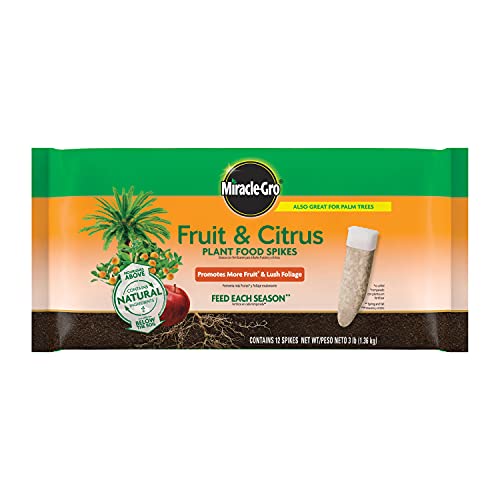
FORMULATED FOR CITRUS AND FRUIT TREES: Use these citrus fertilizer spikes on apple, orange, lemon, lime, and avocado trees; this formula is also great for feeding palm trees

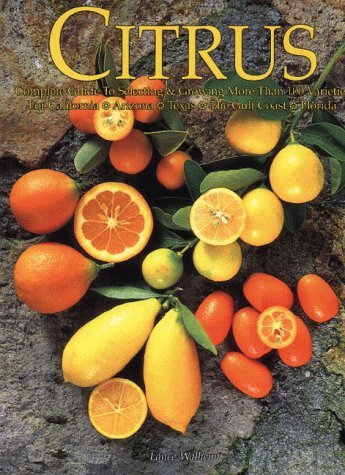
Citrus Trees
Citrus trees thrive in Austin’s sunny weather, making them a popular choice. Varieties like oranges, lemons, limes, and grapefruits bring vibrant fruit to your garden.
- Mexican Lime: Produces small, juicy limes ideal for cooking and cocktails.
- Improved Meyer Lemon: Offers a sweeter lemon flavor and is perfect for drinks and desserts.
Plant your citrus trees in well-drained soil with plenty of sunlight. Regular watering during dry spells keeps them healthy, while a balanced fertilizer in early spring encourages growth.
Stone Fruit Trees
Stone fruit trees, known for their sweet and juicy fruits, flourish in Austin. Common types include peaches, plums, and cherries.
- Redhaven Peach: Known for its delicious flavor and disease resistance.
- Santa Rosa Plum: Produces sweet, juicy plums that are great for fresh eating.
For optimal growth, select varieties suited to your specific needs. Prune annually to remove dead or crowded branches, ensuring good airflow. Water regularly, especially during the hot months.
Tropical and Subtropical Fruits
Tropical and subtropical fruits add variety and excitement to your Austin garden. Consider growing figs, pomegranates, and even avocados.
- Brown Turkey Fig: Produces sweet, tender figs and requires minimal care.
- Wonderful Pomegranate: Offers striking fruits that are rich in antioxidants.
Choose a location with at least six hours of sunlight daily. Water these trees deeply but infrequently to encourage strong root systems. Protect them from extreme cold during winter months for best results.
Factors Affecting Fruit Tree Growth
Multiple factors influence the growth of fruit trees in Austin. Understanding these aspects enhances your ability to cultivate a thriving garden.
Recommended Products

All-in-One Complete Kit - Comes with everything needed right out of the box: 33 FT of durable 1/2" main line, 200 FT of 1/4" drip line, 40 emitters, and all necessary fittings for lawns, greenhouses, flower beds, and more

NO MORE HARD INSTALLATION - SET UP IN MINUTES. Tired of struggling with stiff barbed fittings? This drip irrigation system features quick-connect fittings that let you push, lock, and secure tubing effortlessly. No tools, no leaks, just a smooth setup experience. Enjoy a frustration-free installation and get your garden watering system running in minutes.
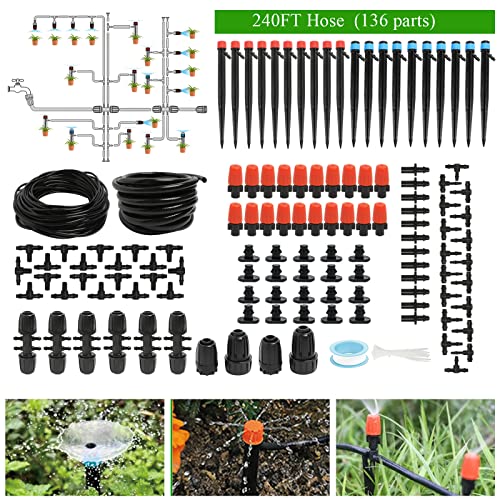
240FT Drip Irrigation Kit: The irrigation kits include 40FT main tubing (1/2"),200FT distribution tubing (1/4"), it comes with totally 136 parts and we offer enough accessories for you to build up 2 sets small drip irrigation systems or 1 set longer irrigation system.
Climate Considerations
Austin’s climate greatly impacts fruit tree growth. With hot summers and mild winters, choose varieties that can withstand heat. For instance, Redhaven peaches and Mexican limes perform well in high temperatures. Provide protection during occasional cold snaps, especially for sensitive varieties.
Soil Conditions
Soil quality determines root health and fruit production. Fruit trees prefer well-drained, loamy soil rich in organic matter. Test your soil’s pH; most fruit trees thrive in a range of 6.0 to 7.5. If your soil is heavy clay or sandy, consider amending it with compost or mulch to improve drainage and nutrient content.
Water Requirements
Watering plays a crucial role in the success of your fruit trees. Consistent moisture is essential, especially in the hot summer months. Establish a deep watering routine to encourage deep roots. Consider drip irrigation to conserve water and ensure your trees receive even moisture. Aim for at least 1 inch of water per week during growing seasons, adjusting based on rainfall.
Best Practices for Growing Fruit Trees
Growing fruit trees in Austin requires attention to specific care practices. Implementing these best practices ensures healthy trees and bountiful harvests.
Recommended Products

Unbreakable sharpness! Japanese SK5 steel blade with titanium coating endures 100,000 cuts. Built for lifelong clean cuts

DUAL CUTTING POWER: VERSATILE PRUNING COMBO --- With both Pruning Shears and Pruning Snip, this combo delivers unmatched versatility. Whether you're delicately trimming flowers and shrubs, tackling thicker tree branches, or tending to your vegetable and fruit garden, our combo pack excels in all areas. They're also perfect for landscaping projects and maintaining the health and appearance of indoor plants. With this pack, you have a versatile tool that simplifies your gardening tasks.
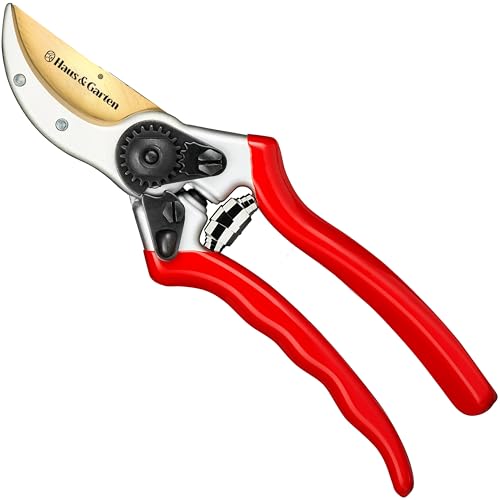
Sharp, Clean Cuts Every Time – Engineered from Japanese grade, high-carbon steel, ClassicPRO bypass pruning shears for gardening stay sharp and make precise cuts that encourage healthy growth and won’t damage your plants
Planting Techniques
- Choose the Right Location: Select a spot that receives at least six hours of direct sunlight daily. This exposure helps fruit trees develop properly.
- Test the Soil: Ensure the soil is loamy and well-drained. Conduct a soil test to check pH levels. Aim for a pH between 6.0 and 7.0 for optimal growth.
- Dig the Hole: When planting, dig a hole twice as wide as the root ball but no deeper than the roots. This depth encourages root expansion.
- Add Organic Matter: Mix compost into the soil before planting to enrich it with nutrients. This step promotes healthier growth.
- Water Thoroughly: After planting, water the tree deeply to settle the soil around the roots. Consistent moisture supports early establishment.
- Time Your Pruning: Prune during late winter or early spring before new growth starts. This timing encourages vigorous growth and fruit production.
- Remove Dead or Diseased Wood: Cut away any broken, dead, or diseased branches. This action prevents the spread of pests and diseases.
- Shape the Tree: Aim for an open-center shape for better air circulation and sunlight exposure. Remove upward growing shoots to maintain this structure.
- Fertilize Regularly: Apply a balanced fertilizer in early spring. Use products specifically formulated for fruit trees to ensure adequate nutrition.
- Monitor Water Needs: Regularly check soil moisture, especially during hot summer months. Deep watering encourages strong root development.
Establishing good practices in planting and maintenance sets the foundation for thriving fruit trees in your Austin garden. Actively engaging with these techniques not only boosts productivity but also enhances the overall health of your trees.
Conclusion
Growing fruit trees in Austin can be a rewarding experience that adds beauty and flavor to your garden. With the right selection and care you can enjoy the sweet rewards of your labor.
Whether you choose vibrant citrus or luscious stone fruits each tree brings its own charm and benefits. By following the tips on planting and maintenance you’ll create a thriving environment for your trees.
So grab your gardening gloves and get ready to cultivate a fruitful oasis right in your backyard. Happy gardening!
Frequently Asked Questions
What fruit trees are best to grow in Austin’s climate?
Peaches, figs, plums, citrus, and pomegranates are the best fruit trees for Austin’s warm summers and mild winters. Specific varieties like Redhaven peaches, Mexican limes, and Brown Turkey figs thrive well in this region.
How should I care for my fruit trees in Austin?
Care for your fruit trees by ensuring regular watering, especially during hot summers. Additionally, prune annually and fertilize in early spring to promote healthy growth and fruit production.
What are the planting requirements for fruit trees?
Fruit trees need well-drained, loamy soil rich in organic matter. Choose a location that receives at least six hours of direct sunlight for optimal growth, and perform a soil pH test before planting.
How often should I water my fruit trees?
Water your fruit trees deeply and regularly, particularly during Austin’s hot summers. Establish a deep watering routine to ensure consistent moisture and promote deep root growth.
Why are citrus trees popular in Austin?
Citrus trees like Mexican limes and Improved Meyer lemons are popular because they thrive in Austin’s sunny weather. They are resilient and produce delicious fruits that are enjoyed throughout the growing season.
When is the best time to prune fruit trees?
The best time to prune fruit trees is during late winter to early spring, just before new growth begins. Pruning at this time encourages better air circulation and healthy growth for your trees.
