

Are your fruit trees at risk of freezing this winter? You’re not alone. Many gardeners worry about the damage cold temperatures can cause to their beloved trees. A sudden frost can ruin a season’s worth of hard work and anticipation, leaving you with nothing but bare branches.
Key Takeaways
- Understand Temperature Risks: Freezing temperatures can seriously harm fruit trees, especially during flowering stages; monitor temperature forecasts to avoid damage to sensitive species like apples, peaches, and cherries.
- Prevention Measures: Prepare trees by selecting appropriate planting locations with adequate sun exposure and wind protection, and insulating roots with mulch before winter.
- Effective Protection Techniques: Utilize methods such as mulching, covering trees with frost cloths, and maintaining proper soil moisture to enhance resilience against cold temperatures.
- Monitor for Damage Signs: Early detection of freeze damage through browning leaves, wilting blooms, and bark splitting enables timely intervention for recovery.
- Post-Freeze Recovery: Assess damage and employ recovery strategies like pruning, deep watering, mulching, and fertilizing to support the health and growth of your fruit trees post-freeze.
Understanding the Risks of Freezing Temperatures
Freezing temperatures pose significant risks to fruit trees. Sudden frost may damage blossoms, leaves, and branches, threatening their health and productivity.
Impact on Different Fruit Trees
Different fruit trees respond uniquely to freezing conditions. For example, apple and peach trees are particularly sensitive during the flowering stage. When temperatures drop below 28°F (-2°C) during this time, you might experience substantial bud damage. Cherry trees are also vulnerable; temperatures below 25°F (-4°C) can harm their delicate blooms. Citrus trees are less susceptible but can still suffer when temperatures fall below 20°F (-6°C). Understanding these risks can aid in preparing your trees.
Signs of Freeze Damage
Recognizing the early signs of freeze damage helps you take timely action. Common indicators include:
- Browning Leaves: Leaves may turn brown or black, indicating tissue damage.
- Wilting Blooms: Flowers might appear wilted or shriveled after a frost.
- Bark Splitting: Cracks or splits in the bark signal stress from freezing temperatures.
- Stunted Growth: If growth is unusually slow or absent in spring, freeze damage could be the cause.
Monitoring these signs enables swift intervention, maximizing your fruit trees’ potential for recovery.
Essential Preparation Steps
Preparing your fruit trees for freezing temperatures involves simple yet effective measures. By taking the following steps, you can significantly enhance your trees’ chances of withstanding cold.
Recommended Products

The Large plant cover is perfect for Plant size 55''-70"high and 84''-94" round, Heavy-weight FRCs (1.77oz./sq. yard): usually used to extend the growing season in spring and fall, allow 40%-60% light transmittance, and recommend 3°-8°F of freeze protection

Revolutionary Anti-freeze Protection: Plant covers freeze protection is made of 100% Reliable non-woven thickened polypropylene fabric Because the frost cloth fabric Thickness is 3.2 oz/yd² thicker and warmer, tear resistant than less expensive 1.3 oz/yd² fabric. Provides up to 2° F(-17℃) frost protection. In winter, frost blankets for outdoor plants can form a insulation layer for plants to isolate cold air and retain the oxygen required for plant respiration

PACKAGE: The package includes 4Pcs plant covers,will meet your daily use or replacement. Measuring 31.5" x 47.3", the plant protector is waterproof, windproof.
Choosing the Right Location
Selecting the ideal planting site is crucial for your fruit trees’ health. Here are key considerations:
- Sun Exposure: Position trees in areas receiving full sun, especially during winter. Sunlight helps warm the trees and reduce frost risk.
- Wind Protection: Plant near natural windbreaks, like fences or shrubs, to shield trees from harsh winds that can lower temperatures.
- Drainage: Ensure the soil is well-drained. Avoid low areas where cold air settles, as this increases freeze risk.
Timing for Protection Measures
Timing is everything when it comes to safeguarding your fruit trees. Implement these protective actions based on seasonal changes:
- Pre-Winter Preparation: Insulate roots with mulch by late fall. Use organic matter like straw or wood chips, applying a 2-4 inch layer around the base of each tree.
- Flowering Stage Protection: Monitor early blooming species. Protect trees if frost is forecasted during flowering by using frost cloths or blankets.
- Post-Freezing Assessment: After a frost event, assess the damage. Remove any broken branches promptly to prevent disease spread.
By following these essential preparation steps, you enhance the resilience of your fruit trees against freezing temperatures.
Effective Protection Methods
Protecting your fruit trees from freezing temperatures involves several effective strategies. Implementing these methods can help ensure your trees thrive despite cold weather.
Recommended Products

The small plant cover is perfect for Plant size 16''-23"high and 36''-46" round, Heavy-weight FRCs (1.77oz./sq. yard): usually used to extend the growing season in spring and fall, allow 40%-60% light transmittance, and recommend 3°-8°F of freeze protection
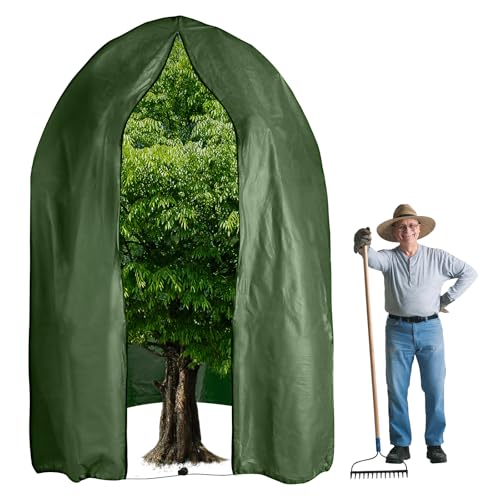
Extra Large Size:Our winter plant covers are designed with a super large size,It is about 110"x79", which is large enough to fit the plants easily, suit for protecting large plants and provides better protection from wind,snow,ice frost damage

Protect Plants From Frostbite: 2.2 oz/sq yard non-woven fabric as the material of plant cover to protect your plant against freeze, frost and other cold weather during winter
Mulching Techniques
Use mulch to insulate the soil around your trees.
- Organic Mulch: Apply a layer of organic mulch, such as straw or wood chips, about 3 to 4 inches thick. This layer retains moisture and regulates temperature.
- Encircle the Base: Focus on the root zone by spreading mulch around the tree’s base, avoiding direct contact with the trunk.
- Renew Regularly: Refresh mulch annually, especially after winter, to maintain its effectiveness.
Covering Trees
Covering your trees provides an additional layer of warmth.
- Frost Cloth: Use frost cloths or blankets specifically designed for plant protection. These materials allow light and moisture to penetrate while providing insulation.
- Secure Edges: Secure the edges of the cover with stones or stakes to ensure it stays in place during strong winds.
- Remove During Daytime: Uncover your trees during the day if temperatures rise above freezing to prevent overheating.
Irrigation Strategies
Maintaining the right moisture level helps trees cope with freezing conditions.
- Water Before Frost: Water trees deeply a day before a predicted frost. Moist soil retains heat better than dry soil.
- Avoid Overwatering: Don’t overwater your trees; excessively wet soil can lead to root damage.
- Monitor Soil Moisture: Regularly check soil moisture to ensure consistent hydration, especially in late winter.
Implementing these methods significantly boosts your fruit trees’ resilience against freezing temperatures.
Post-Freeze Care
Post-freeze care is crucial for the recovery of your fruit trees. Assessing damage and employing effective recovery techniques can help your trees bounce back stronger.
Recommended Products
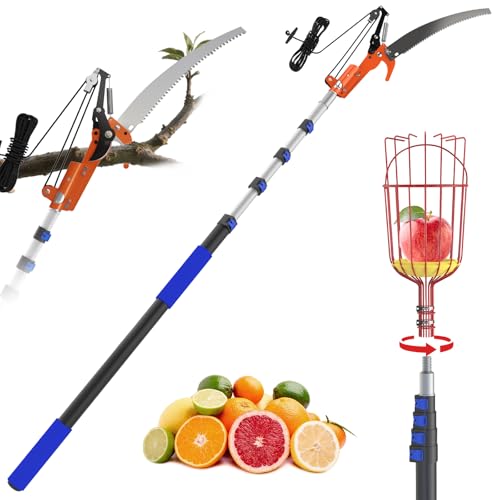
2-in-1 Extendable Tree Pruner & Pole Saw - This pole saws for tree trimming combines a 13.8" sharp steel blade and scissors for all your tree trimming needs. The manual pole saw features sharpened teeth made of high-quality carbon steel, delivering high cutting power while being lightweight. A non-stick coating ensures smooth, efficient branch trimming, saving you time and effort. Perfect for cutting trees, bamboo, PVC pipes, and more.
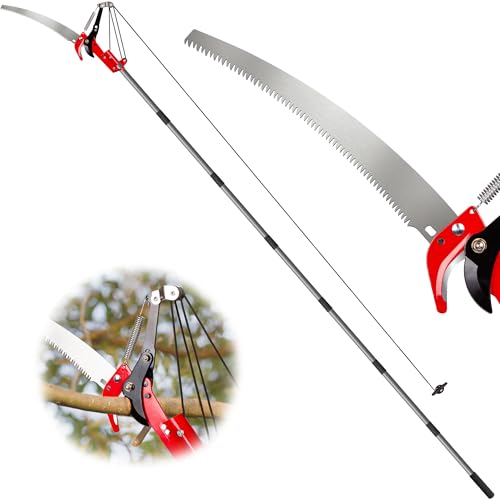
14FT POLE TREE PRUNER WITH SAW FUNCTION: Designed primarily for high branch trimming with pull-rope pruning shears, while the integrated saw provides an additional cutting option when needed. This manual tree pruner combines pruning and sawing functions in one long-reach tool for routine tree care in yards, gardens, and orchards.

【Multi-purpose Tree Pruner】The telescopic pole pruner has a shearing function and can be used for picking fruit and trimming high branches. The sharp blade of the fruit picking rod can easily cut branches up to 1/2 inch in diameter, and the included serrated saw blade uses double-sided cutting technology, making it easy to cut through thicker tree trunks. Its versatile design makes it an indispensable tool for gardening.
Assessing Damage
Assess damage by inspecting your trees carefully. Check for browning leaves, wilting blooms, and split bark. Look for signs of stunted growth, which may indicate stress from freezing. A simple way to evaluate is to scratch the bark gently; if it’s green underneath, the tree might still be alive. Count how many branches show signs of damage; this can guide your recovery strategy.
Recovery Techniques
Use specific recovery techniques to help your trees heal.
- Pruning: Trim off dead or damaged branches. Focus on areas that appear brown or brittle. Clean cuts prevent disease.
- Watering: Water your trees deeply, especially if the soil is dry. This encourages root health. Water less frequently once the soil feels moist.
- Mulching: Apply fresh mulch around the base of the tree. A 3 to 4-inch layer helps insulate and retain soil moisture, providing extra warmth.
- Fertilizing: Use a balanced fertilizer in early spring. This boosts energy levels and encourages growth as the temperatures rise.
- Monitoring: Keep an eye on new growth. If your trees show signs of recovery, maintain care with regular watering and light pruning as necessary.
Implement these strategies promptly to enhance recovery efforts and support the health of your fruit trees.
Conclusion
Taking the right steps to protect your fruit trees from freezing can make all the difference in ensuring a bountiful harvest. By preparing in advance and recognizing the signs of freeze damage, you can help your trees thrive despite the cold.
Remember to create a nurturing environment with proper mulching and covering techniques while staying vigilant during those chilly months. If frost does strike, don’t lose hope—your proactive care can set the stage for a strong recovery.
With a little attention and effort, your fruit trees can flourish year after year, bringing you joy and delicious fruits. Happy gardening!
Frequently Asked Questions
What temperature is dangerous for fruit trees during winter?
Fruit trees can suffer damage from freezing temperatures, especially during their flowering stage. For example, apple and peach trees are vulnerable when temperatures drop below 28°F (-2°C). Cherry trees can be harmed at temperatures below 25°F (-4°C). It’s crucial for gardeners to monitor local weather conditions to protect their trees from frost.
How can I tell if my fruit tree has freeze damage?
Signs of freeze damage include browning leaves, wilting blooms, bark splitting, and stunted growth. Inspect your trees regularly, especially after frost events, to catch these indicators early, allowing for timely intervention and recovery.
What are effective ways to prepare fruit trees for winter?
To prepare fruit trees for winter, choose the right planting location with adequate sun exposure and wind protection. Insulate roots with a 3 to 4-inch layer of organic mulch, monitor early-blooming species during their flowering, and assess for damage after any frost events.
How can I protect my fruit trees from freezing temperatures?
Effective protection methods include mulching to insulate the soil, covering trees with frost cloths or blankets for warmth, and providing deep irrigation before a predicted frost. Ensure covers are secured but removed during the day to prevent overheating.
What should I do if my fruit trees experience freeze damage?
After freeze damage, assess the situation by checking for browning leaves and split bark. Prune any dead or damaged branches, water deeply to support root health, and apply fresh mulch. Use balanced fertilizer in early spring to encourage recovery and monitor for new growth.
