

Ever thought about growing your own fruit trees in Rhode Island? If you have a backyard or even a small garden space, you might be wondering which trees will thrive in your area. With its unique climate and soil conditions, Rhode Island offers a variety of options that can fill your yard with delicious fruits.
Key Takeaways
- Rhode Island’s climate, characterized by a 180-day growing season with warm summers, is ideal for various fruit trees including apples, pears, cherries, peaches, and plums.
- Optimal soil conditions for fruit trees include well-drained, loamy soil with a pH range of 6.0 to 7.0, and at least 6-8 hours of direct sunlight daily is essential for healthy growth.
- Seasonal care practices such as pruning in late winter, fertilizing in early spring, and regular monitoring for pests and diseases are crucial for maintaining healthy fruit trees.
- Successful planting involves choosing the right time (early spring or fall), selecting quality saplings, preparing the site properly, and ensuring adequate post-planting care like watering and mulching.
- Specific fruit trees thrive well in Rhode Island, such as Honeycrisp apples, Bartlett pears, and Redhaven peaches, each requiring similar care and environmental conditions.
- Protect young trees from harsh elements and pests to enhance survival rates and encourage fruitful harvests in the long term.
Overview of Fruit Trees in Rhode Island
Rhode Island’s climate provides a great environment for various fruit trees. The growing season spans around 180 days, featuring warm summers and mild winters. This balance supports both cold-hardy and more delicate fruit varieties.
Common Fruit Trees
- Apple Trees: Apple trees thrive well in Rhode Island. Varieties like Honeycrisp, Fuji, and McIntosh produce crisp, sweet fruits. They prefer well-drained soil and full sun.
- Pear Trees: Pear trees also flourish. Varieties such as Bartlett and Bosc yield juicy, flavorful pears. They require similar conditions to apple trees.
- Cherry Trees: Cherry trees, especially sweet cherries like Bing, grow well. They tolerate Rhode Island’s climate but need protection from harsh winds.
- Peach Trees: Peach trees, particularly varieties like Redhaven and Elberta, do well in warmer areas. Choose a sunny location with well-drained soil.
- Plum Trees: Plum trees, such as Stanley, produce delicious fruits with
a rich flavor. They adapt well to Rhode Island’s environment.
Soil and Sun Requirements
Most fruit trees prefer well-drained, loamy soil. Test your soil’s pH, aiming for a range between 6.0 and 7.0 for optimal growth. Additionally, maximum sunlight exposure is essential. Select a site with at least 6 to 8 hours of direct sunlight daily for the best results.
Pests and Disease Management
Monitor your fruit trees for common pests like aphids and spider mites. Implement organic controls, such as insecticidal soap, to manage infestations. Regularly inspect for signs of disease, like black knot on cherries. Maintaining good air circulation and proper pruning can reduce these risks.
Seasonal Care
Perform seasonal maintenance for healthy fruit production. Prune in late winter to encourage growth and improve air circulation. Fertilize in early spring using balanced fertilizer to provide necessary nutrients.
Growing fruit trees in Rhode Island can be rewarding. With the right care and selection, you can enjoy fresh, homegrown fruits right from your backyard.
Popular Fruit Trees
Rhode Island’s climate supports a variety of fruit trees. Here are several that thrive well in the region.
Apple Trees
Apple trees suit Rhode Island’s climate perfectly. Choose varieties like Honeycrisp, Fuji, or McIntosh for excellent fruit quality. They prefer well-drained soil and full sun. Prune them in late winter to encourage healthy growth and better fruit production. Regularly check for pests like codling moths and use organic treatments if necessary.
Peach Trees
Peach trees thrive in warm summer months. Varieties like Redhaven and Elberta produce sweet, juicy fruits. They need well-drained, sandy loam soil with good sunlight. Prune in early spring before buds open to promote healthy branching. Be vigilant against diseases, such as peach leaf curl; applying fungicides can help prevent outbreaks.
Cherry Trees
Cherry trees add beauty and flavor to your garden. Sweet varieties like Bing and Royal Ann do well, while sour cherries like Montmorency are perfect for baking. These trees prefer well-drained soil and full sun exposure. Tree pruning should occur in late winter to remove dead or overcrowded branches. Monitor for pests, such as aphids, and consider using insecticidal soap for control.
Growing Conditions
Rhode Island presents ideal conditions for growing various fruit trees. The state’s climate and soil contribute significantly to successful cultivation.
Recommended Products

Enhanced Growth Benefits: Supports optimal plant health with superior aeration, effective drainage, excellent nutrient retention, and a balanced pH – everything citrus plants need to thrive.

【Ideal pH Balance】Our citrus soil is carefully calibrated to maintain an optimal pH level between 6.0 and 7.1, ensuring your citrus trees can absorb essential nutrients efficiently and thrive

Made For Potted Citrus Trees: Our citrus potting soil mix is made for potted lemon, lime, orange and other citrus trees that need a lighter growing medium for repotting. We double-screen all of our raw ingredients to support a cleaner, more consistent texture for pouring and repotting potted citrus trees.
Climate Factors
Rhode Island experiences a temperate climate, featuring four distinct seasons. Summers are typically warm, with average temperatures around 80°F (27°C). Winters remain mild, rarely dropping below 20°F (-6°C). A 180-day growing season allows ample time for fruit trees to thrive. Exposure to sunlight is crucial, as fruit trees need 6-8 hours of direct sunlight daily. Protecting young trees from strong winds and heavy frost enhances their chances of survival.
Soil Requirements
Soil quality influences fruit tree growth significantly. Aim for well-drained loamy soil, which retains moisture while avoiding waterlogging. A soil pH level between 6.0 and 7.0 ensures optimal health for most fruit trees. Conducting a soil test informs you about nutrient levels and pH balance, enabling necessary amendments. Incorporating organic matter, such as compost, improves soil fertility and enhances drainage. Regular mulching retains soil moisture and suppresses weeds, providing a better growing environment for your fruit trees.
Planting and Care Tips
Planting and caring for fruit trees in Rhode Island involves specific practices to ensure success. Following these tips helps your trees thrive and produce bountiful harvests.
Recommended Products
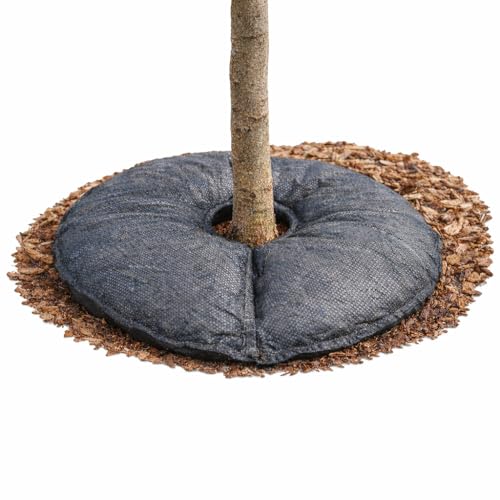
For Plants and Trees that with root balls about 12” in dia., (11-15”, e.g. 3-10 Gallon Container Sizes have top diameters between 11-15”) - Uses 99% LESS WATER than traditional tree bag over the course of multiple seasons for better establishment of the newly planted trees and shrubs! When the plant root ball is larger than 15”, the 36”, 48”, or multiple units of these larger sized SteadySpring Tree Mats are recommended to cover an area double of the root ball size or at least 20” larger than the root ball.

Instantly tell when plants need watering

✔️Accurate & Easy To Use✔️A helpful tool of water meter for indoor plants which senses the moisture in the soil around plants. No more guess if the plant needs more or less water. Just stick the soil water meter into the soil and read the meter, all you need is a paper towel or rag to wipe off the probe after using it.
Best Planting Practices
- Choose the Right Time: Plant trees in early spring or fall. These seasons allow roots to establish before extreme weather.
- Select Quality Stock: Purchase healthy, disease-free saplings from local nurseries. This significantly increases your chances of success.
- Prepare the Site: Choose a sunny location with well-drained loamy soil. Aim for 6-8 hours of sunlight daily.
- Dig a Suitable Hole: Dig a hole that’s twice as wide and the same depth as the root ball. This encourages healthy root growth.
- Water Before Planting: Soak the root ball in water for a few hours before placing it in the ground. This reduces transplant shock.
- Fill Properly: Place the tree in the center of the hole, making sure the root collar is level with the soil surface. Fill with soil, but avoid packing it tightly.
- Water Immediately: Water the newly planted tree thoroughly, ensuring moisture reaches the roots. Regular watering is essential during the first growing season.
- Monitor Watering Needs: Water deeply every week during dry periods, especially in the first year. A moisture gauge can help determine when to water.
- Apply Fertilizer: Fertilize your fruit trees in early spring with a balanced fertilizer. Follow the package instructions to avoid over-fertilization.
- Prune Regularly: Prune trees during late winter while dormant. Remove dead or crossed branches and develop an open center structure to promote airflow.
- Watch for Pests: Inspect trees regularly for signs of pests or diseases. Use organic pest control methods, like neem oil, to maintain plant health.
- Mulch Wisely: Apply a layer of organic mulch around the base of your trees. This retains moisture, regulates temperature, and suppresses weeds.
- Protect Young Trees: Use tree guards to protect saplings from hungry rabbits or deer. Remove the guards once the tree matures.
- Manage Suckers: Remove any suckers that grow from the base of the trunk. This prevents energy loss and focuses resources on fruit production.
Following these planting and maintenance tips ensures your fruit trees flourish in Rhode Island’s unique climate, leading to fruitful harvests year after year.
Conclusion
Growing fruit trees in Rhode Island can be a rewarding adventure. With the right choices and care you can enjoy a bountiful harvest right from your backyard. Whether you’re drawn to the crispness of apples or the sweetness of peaches there’s a tree that fits your garden perfectly.
Remember to keep an eye on the specific needs of each variety and don’t hesitate to experiment a little. With the right attention your trees will flourish and provide delicious fruits for you and your family to savor. So grab your gardening gloves and get started on your fruit tree journey in Rhode Island!
Frequently Asked Questions
Can I grow fruit trees in Rhode Island?
Yes, you can grow a variety of fruit trees in Rhode Island due to its favorable climate and soil conditions. The state has a 180-day growing season that supports both cold-hardy and delicate fruit varieties.
What types of fruit trees are suitable for Rhode Island?
Common fruit trees that thrive in Rhode Island include apple, pear, cherry, peach, and plum trees. Each type has specific soil and sunlight requirements tailored to the region’s climate.
What are the ideal growing conditions for fruit trees in Rhode Island?
Fruit trees in Rhode Island prefer well-drained loamy soil with a pH between 6.0 and 7.0. They also need 6-8 hours of direct sunlight daily, and protection from strong winds and frost.
How should I care for my fruit trees?
Regular care includes watering, fertilizing in early spring, and annual pruning. Monitor for pests and diseases, and use organic controls and mulching to maintain soil moisture and suppress weeds.
When is the best time to plant fruit trees in Rhode Island?
The best time to plant fruit trees in Rhode Island is early spring or fall. Ensure you select healthy saplings and prepare a sunny, well-drained location for optimal growth.
