

Have you noticed some rough patches or peeling on the bark of your fruit tree? It’s a common issue that can happen due to pests, weather, or even accidents. While it might seem like a minor problem, damaged bark can lead to bigger issues if left untreated.
Key Takeaways
- Understanding Bark Damage: Recognize the common causes such as pests, weather, mechanical injury, and diseases that can compromise your fruit tree’s health.
- Assessment Techniques: Properly evaluate the severity of bark damage by examining surface appearance, depth, and tree health indicators.
- Repair Steps: Follow a systematic approach to repair damaged bark, including cleaning the area, applying tree-wound treatments, and monitoring healing progress.
- Natural Remedies: Utilize eco-friendly, homemade treatments like honey-water mixtures, aloe vera gel, and coconut oil to promote healing without harmful chemicals.
- Professional Help: Know when to seek expert assistance for severe damage, persistent health issues, or pest infestations to ensure optimal recovery for your fruit tree.
- Choosing an Arborist: Select a qualified arborist by checking certifications, experience, client references, and ensuring clear communication for effective tree care.
Understanding Bark Damage
Bark damage can hinder a fruit tree’s health and productivity. Recognizing the causes and severity of this damage helps in effective repair.
Causes of Bark Damage
- Pests: Insects like borers can tunnel through the bark, weakening the tree.
- Weather: Extreme temperatures, heavy winds, or frost cracks can harm the bark’s integrity.
- Mechanical Injury: Accidental hits from lawn equipment or animal activity can strip the bark.
- Diseases: Fungal infections may cause bark lesions or rot, compromising the tree’s defense.
- Environmental Stress: Poor soil conditions or lack of water can lead to physiological stress, making bark more susceptible to damage.
- Surface Appearance: Check for peeling, cracking, or discolored areas on the bark.
- Depth of Damage: Gently probe the damaged area. If you find soft or mushy wood beneath, the damage is severe.
- Tree Health Indicators: Observe for signs such as wilting leaves, reduced fruit output, or unexpected leaf drop.
- Extent of Damage: Assess whether the damage affects just a small patch or extends around the trunk and into branches.
Taking prompt action after identifying bark damage ensures your fruit tree stays healthy and productive.
Steps to Repair Damaged Bark
Repairing damaged bark on a fruit tree involves careful attention and specific actions to ensure the tree recovers effectively. Follow these steps to address bark damage properly.
Recommended Products

PROFESSIONAL TREE WOUND SEALER & DRESSING: Forms a durable, breathable protective layer over pruning cuts, damaged bark, and grafting sites. This horticulture-grade tree pruning sealer helps prevent sap loss and nutrient loss while promoting faster, healthier healing for your trees and shrubs

Seal & Protect Tree Wounds Fast: Thick 2X concentrated formula designed to coat and seal cuts, cracks, and bark damage. This tree wound sealer supports natural healing by creating a durable moisture-resistant layer. Works as a reliable tree wound dressing for pruning, storm recovery, or grafting.

WEATHER PROTECTION: Help new trees overcome harsh weather conditions and grow strong. Dalen Tree Wrap protects against sun-scalding, heat waves, frost cracks, and dry winter winds that can stunt growth and even kill young trees.
Cleaning the Affected Area
- Remove Loose Bark: Gently peel away any loose or flaking bark with your hands or a soft knife. This helps prevent further decay and pest infestations.
- Clean the Surface: Use warm, soapy water to clean the exposed area. Rinse it thoroughly with fresh water and allow it to dry completely.
- Inspect for Pests: Examine the cleaned area for any signs of pests or disease. Address any infestations immediately, as they can worsen bark issues.
- Use Tree-Wound Treatment: After the area is clean and dry, apply a tree-wound dressing to protect the exposed bark. Ensure the dressing is non-toxic and designed for use on fruit trees.
- Create a Barrier: If the damage is significant, wrap the affected area with breathable tree wrap or burlap. This shields the area from harsh weather and pests while allowing moisture to escape.
- Monitor and Maintain: Check the treated area regularly for signs of healing, pests, or further damage. Reapply protective treatments as necessary.
These steps promote healing and help your fruit tree regain its health and vitality effectively.
Using Natural Remedies
Natural remedies can effectively aid in the repair of damaged bark on your fruit tree. These methods often utilize readily available ingredients, making them both accessible and eco-friendly.
Recommended Products

Protects Exposed Tree Wounds: Forms a durable protective barrier over pruning cuts, damaged bark, and grafting sites. Helps shield exposed areas from moisture, weather, and environmental stress while supporting natural recovery.

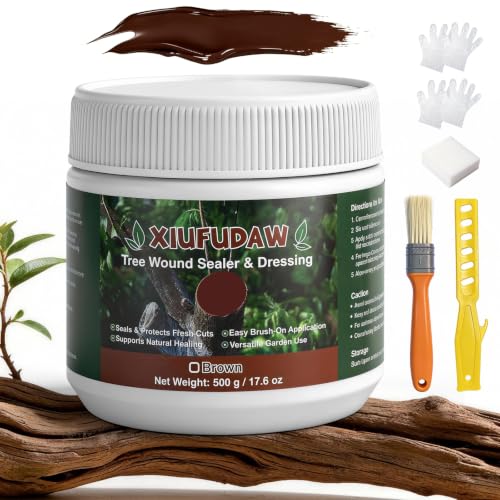
🌳𝐏𝐫𝐨𝐟𝐞𝐬𝐬𝐢𝐨𝐧𝐚𝐥 𝐓𝐡𝐢𝐜𝐤 𝐂𝐨𝐚𝐭𝐢𝐧𝐠 & 𝐏𝐫𝐨𝐭𝐞𝐜𝐭𝐢𝐯𝐞 𝐒𝐞𝐚𝐥𝐢𝐧𝐠: Designed for excellent coverage, Xiufudaw tree wound sealer applies as a thick and flexible protective layer over pruning cuts, grafting areas, and exposed bark. It helps seal treated areas after trimming and provides a reliable barrier during routine tree care.
Homemade Bark Treatment
- Honey and Water Mixture: Combine one part honey with three parts water. Apply this mixture to the damaged area. Honey has natural antifungal properties and promotes healing.
- Aloe Vera Gel: Extract fresh gel from an aloe vera leaf. Smear it onto the bark wound. Aloe vera protects against infection and retains moisture.
- Coconut Oil: Use pure coconut oil to coat the damaged bark. This oil acts as a barrier against pests and helps in moisture retention.
- Gauze and Charcoal: Mix crushed charcoal with water to create a paste. Place this paste on a piece of gauze and secure it over the injured area. Charcoal absorbs toxins and aids in healing.
- Safety: Natural remedies pose minimal risk to you, pets, and the environment. They avoid harsh chemicals that may harm your tree or soil.
- Cost-Effectiveness: Most ingredients for these treatments are inexpensive and often found in your kitchen or garden.
- Ease of Use: Homemade treatments require simple preparation and application. This convenience makes it easy to care for your fruit tree.
- Promotes Healthy Growth: Natural solutions can encourage overall tree health by supporting a healthier bark environment. They foster resilience against future damages.
You’ll find that these natural remedies not only support the vital healing process but also enhance the long-term health of your fruit tree.
When to Seek Professional Help
Certain situations call for expert intervention to manage bark damage effectively. Recognizing these signs ensures the health of your fruit tree.
Recommended Products

High-Strength Alloy Structural Steel: Constructed with high-strength alloy structural steel, these tree climbing spikes support up to 350 lbs for secure climbing. ASTM-F887 certified, they are corrosion-resistant, high-strength, and maintain their shape over time. Ideal for outdoor adventures and tree maintenance, they provide stable support for safer and more efficient climbing.
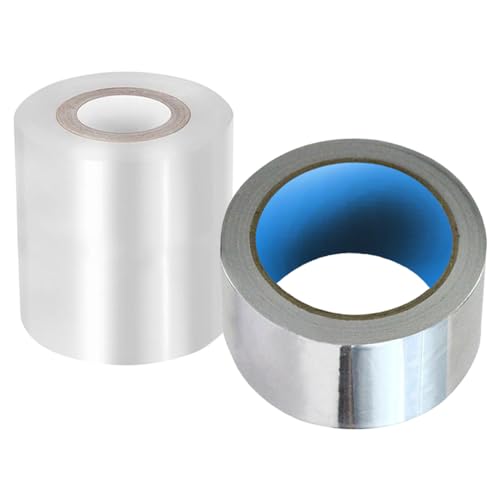
🔧【2-in-1 Professional Kit】Includes 1 roll of 2.36" clear grafting tape + 1 roll of self-adhesive healing film. Perfect for fruit trees, bonsai, roses, and all grafting projects.

TREE WOUND SEALER FOR PRUNING CUTS: This tree wound sealer forms a flexible coating over pruning cuts, grafting areas, and exposed bark. Designed as a reliable pruning sealer and tree wound dressing, it helps cover freshly trimmed surfaces while supporting routine tree care
Signs That Require Expert Attention
- Extensive Damage: If the bark is deeply torn or stripped over a large area, it’s essential to consult a professional. Major disruptions might compromise the tree’s structural integrity.
- Persistent Discoloration: If you notice dark, sunken areas alongside abnormal sap flow, it indicates a potential disease. An arborist can identify underlying issues and provide treatment.
- Worsening Health: If your fruit tree exhibits declining health, such as leaf loss or stunted growth, professional help becomes necessary. A thorough evaluation can determine the root cause.
- Pest Infestation: Seeing signs of pests like borers or weevils requires immediate attention. An expert can assess the situation and recommend appropriate pest control measures.
- Recurrent Issues: If bark damage recurs despite your efforts, professional advice is vital. Experts can identify environmental or care factors contributing to ongoing problems.
- Look for Certification: Opt for certified arborists who understand tree care principles. Certification ensures they meet industry standards.
- Check Experience: Choose an arborist with experience in fruit tree care. Their knowledge of specific species can lead to better outcomes.
- Seek References: Ask for references or reviews from previous clients to gauge an arborist’s competence. Positive feedback indicates reliability.
- Get Multiple Estimates: Collect estimates from various professionals to ensure fair pricing. Comparing offerings helps in making an informed choice.
- Ensure Good Communication: Find an arborist who communicates clearly and answers your questions. Effective communication fosters a collaborative working relationship.
By identifying when to seek help and choosing the right arborist, you enhance your fruit tree’s chance for recovery and long-term health.
Conclusion
Taking care of your fruit tree’s bark is vital for its overall health and productivity. By promptly addressing any damage and following the steps outlined, you can help your tree heal and thrive. Remember to keep an eye on the treated areas and provide the necessary maintenance to support recovery.
If you notice signs of severe damage or persistent issues, don’t hesitate to reach out to a professional. With the right care and attention, your fruit tree can bounce back and continue to produce delicious fruit for years to come. Happy gardening!
Frequently Asked Questions
What causes rough patches or peeling bark on fruit trees?
Rough patches or peeling bark on fruit trees can be caused by various factors including pests like borers, extreme weather conditions, mechanical injuries, diseases such as fungal infections, and environmental stress from poor soil or insufficient water.
How can I assess the severity of bark damage?
To assess bark damage, examine the surface appearance, probe for depth, observe the overall health of the tree, and determine the extent of damage. Look for signs of pest infestation and discoloration as indicators.
What steps should I take to repair damaged bark?
To repair damaged bark, start by cleaning the affected area, inspecting for pests, applying a non-toxic tree-wound dressing, and wrapping significant damage with breathable materials. Regular monitoring is essential for healing.
Are there natural remedies for repairing bark damage?
Yes, natural remedies such as honey, aloe vera gel, coconut oil, and a gauze and charcoal paste can promote healing for damaged bark. These eco-friendly ingredients can help protect and nourish the affected area.
When should I seek professional help for bark damage?
You should seek professional help for bark damage if there is extensive damage, persistent discoloration, worsening tree health, signs of pest infestations, or recurrent issues that you cannot manage effectively on your own.
How do I choose the right arborist for my fruit trees?
To choose the right arborist, look for certified professionals, check their experience, ask for references, obtain multiple estimates, and ensure clear communication. A qualified arborist can provide better care and increase your tree’s chances for recovery.
