

Have you ever wondered how long you’ll have to wait for your persimmon tree to start producing delicious fruit? If you’re dreaming of homegrown persimmons, you’re not alone. Many gardeners share the excitement of planting these beautiful trees, only to find themselves impatiently counting the years until the first harvest.
Key Takeaways
- Persimmon trees typically take 3 to 6 years to bear fruit, with American varieties needing 4 to 6 years and Asian varieties such as Fuyu potentially producing fruit in as little as 3 years.
- It’s essential to choose the right species and cultivar, as different types have varying timelines for fruit production.
- Optimal growing conditions—including sufficient sunlight (at least 6 hours daily), well-draining soil with a pH of 6.0 to 7.0, and consistent watering—significantly affect when trees bear fruit.
- Practicing proper care and maintenance, such as annual pruning, mulching, and pest monitoring, enhances tree health and can lead to earlier fruiting.
- Selecting a suitable location with full sun exposure and placing trees at least 15 to 20 feet apart helps improve airflow and reduce disease risk.
- Regularly monitor tree health by observing leaf conditions, branch strength, root development, flower production, and fruit quality to ensure optimal growth and a successful harvest.
Understanding Persimmon Trees
Persimmon trees are a rewarding addition to your garden, known for their delicious fruit and striking fall foliage. You’ll find two main species: American persimmon and Asian persimmon. Each offers unique characteristics and growing requirements.
Types of Persimmon Trees
- American Persimmon (Diospyros virginiana)
American persimmon trees thrive from the eastern United States to the Midwest. They produce small, flavorful fruits, typically sweet when fully ripe. - Asian Persimmon (Diospyros kaki)
Asian persimmon trees come in various cultivars. They produce larger fruits with a smoother texture and can be astringent or non-astringent, depending on the variety. - Fuyu Persimmon
This popular Asian cultivar bears crunchy, sweet fruit that can be eaten when firm. It’s non-astringent and great for fresh eating. - Hachiya Persimmon
Hachiya persimmons are large and heart-shaped. They need to be fully ripe and soft to eat; otherwise, their astringency can be unpleasant. - Chocolate Persimmon
This unique cultivar produces dark, sweet fruits with a flavor reminiscent of chocolate, offering a delightful twist for your harvest.
- Climate
Persimmon trees flourish in USDA Hardiness Zones 6 through 10. They prefer warm temperatures for optimal growth. - Soil Quality
Well-draining soil is crucial. Aim for loamy or sandy soil with a pH level of 6.0 to 7.0. Amend poor soil with compost to enhance fertility. - Sunlight
Full sunlight is essential. Ensure your persimmon tree receives at least six hours of direct sunlight each day to promote healthy fruit development. - Watering Requirements
Consistent moisture encourages growth, especially during early stages. Water regularly but avoid waterlogging, which can damage roots. - Spacing
Space your trees 15 to 20 feet apart to allow for proper airflow, reducing the risk of disease and fostering healthy growth.
By understanding the types and growing conditions of persimmon trees, you can better appreciate the time and care needed before they bear fruit. Plan your garden accordingly to optimize the chance for a successful harvest in the years to come.
Timeframe for Bearing Fruit
Growing persimmon trees requires patience, as they typically don’t produce fruit immediately after planting. Understanding the expected timeframe helps set realistic expectations for your gardening journey.
Recommended Products

Make your hole twice as wide as the root ball and just as deep.

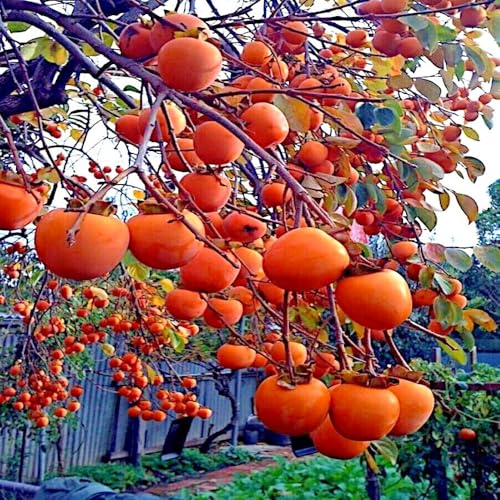
30 Premium Persimmon Seeds: Start your own fruit orchard with our special collection of 30 persimmon seeds. Grow these beautiful deciduous trees that will produce sweet, orange-colored fruits perfect for fresh eating and cooking.
Cold Hardiness: Cold hardy Diospyros seeds survive temperatures down to 10°F once established; Suitable for growing in USDA zones 7-10; More tolerant of temperature fluctuations than many other fruit trees
Average Years to Bear Fruit
Most persimmon trees take about 3 to 6 years to bear fruit. American persimmons often start producing within 4 to 6 years, while Asian persimmons can yield fruit in as little as 3 years, depending on the cultivar. For instance, Fuyu cultivars might bear fruit sooner compared to Hachiya varieties.
Factors Affecting Fruit Bearing Timeline
Several factors influence how quickly your persimmon tree bears fruit:
- Tree Species: Different species have varying timelines. American persimmons generally take longer than Asian varieties.
- Cultivar Selection: Specific cultivars within the species can affect maturity and fruiting time.
- Growing Conditions: Proper sunlight, water, and soil quality significantly impact tree health and fruit production.
- Tree Age: Transplanted nursery trees may take less time to produce fruit than seed-grown trees.
- Pruning Practices: Correct pruning encourages healthy growth, which can lead to earlier fruiting.
Knowing these factors allows you to tailor your care routine, further optimizing the chances of a fruitful harvest.
Care and Maintenance
Maintaining persimmon trees is essential for ensuring healthy growth and fruit production. Proper care practices can significantly impact the lifespan of your trees and the quality of the fruit.
Recommended Products

Package contains 4 Pounds organic fruit and nut fertilizer grains and is produced to avoid wasteful runoff, mess, hazards and smells

Package contains 4 Pounds organic fruit and citrus fertilizer grains and is produced to avoid wasteful runoff, mess, hazards and smells

Let our professionally formulated plant food help your fruit tree grow healthy, strong AND abundantly producing
Best Practices for Growing Persimmon Trees
- Select the Right Location: Choose a site with full sun exposure. Aim for at least 6 hours of direct sunlight daily to promote optimal growth.
- Prepare the Soil: Test your soil for pH levels. Aim for a pH between 6.0 and 7.0. Amend the soil with organic matter, like compost, to enhance drainage and nutrient content.
- Water Regularly: Water your persimmon trees deeply, especially during dry periods. Ensure the soil remains moist but not waterlogged; too much water can lead to root rot.
- Apply Mulch: Use a layer of mulch around the base of the tree. Mulch helps retain moisture, suppresses weeds, and regulates soil temperature.
- Prune Annually: Prune your trees during the dormant season. Remove any dead, damaged, or crossing branches to improve air circulation and sunlight exposure.
- Fertilize Appropriately: Fertilize in early spring using a balanced fertilizer. Follow recommended amounts based on your soil test results to avoid over-fertilization.
- Monitor for Pests and Diseases: Regularly inspect your trees for signs of pests, such as aphids or spider mites, and diseases like leaf spot. Act promptly with eco-friendly solutions to prevent infestations.
- Leaf Appearance: Healthy persimmon trees exhibit glossy, vibrant green leaves. Yellowing or wilting leaves may indicate stress or nutrient deficiencies.
- Strong Branch Structure: Look for sturdy branches that support the growth of leaves and fruit. Weak or drooping branches often signal inadequate care.
- Root Development: A healthy root system appears fibrous and well-distributed. Roots should be white or light tan; dark roots indicate rot or decay.
- Flower Production: Well-cared-for trees bloom with ample flowers. More flowers typically result in better fruit set, as many flowers lead to eventual fruit production.
- Fruit Development: When trees start producing fruit, monitor size and color. Healthy fruit should grow plump and develop its characteristic color without blemishes.
Maintaining proper care and regularly checking for signs of healthy growth can significantly optimize your chances of enjoying a fruitful persimmon harvest.
Conclusion
Growing persimmon trees is a rewarding journey that requires a bit of patience. You’ll find that waiting for those first fruits can be an exciting experience filled with anticipation. By choosing the right species and cultivar and providing the best care possible, you can set yourself up for a fruitful harvest in just a few years.
Remember to nurture your trees with the right conditions and watch for signs of healthy growth. With dedication and love, you’ll soon enjoy the sweet rewards of your hard work. Happy gardening and may your persimmons flourish!
Frequently Asked Questions
What types of persimmon trees are there?
There are two main types of persimmon trees: American persimmon and Asian persimmon. American persimmons produce smaller, flavorful fruits, while Asian persimmons have larger fruits and include astringent and non-astringent varieties, such as Fuyu, Hachiya, and Chocolate.
How long does it take for persimmon trees to bear fruit?
Persimmon trees typically take 3 to 6 years to produce fruit. American persimmons usually start bearing fruit in 4 to 6 years, while Asian varieties can yield as early as 3 years, depending on the cultivar and growing conditions.
What are the ideal growing conditions for persimmon trees?
Persimmon trees thrive in sunny locations with well-drained, loamy soil. They prefer a pH of 6.0 to 7.5, require regular watering without waterlogging, and benefit from mulch and annual pruning to enhance their growth and fruit production.
How should I care for my persimmon trees?
To care for persimmon trees, select a sunny spot, prepare the soil well, water deeply and regularly, apply mulch, fertilize appropriately, and prune annually. Also, monitor for pests and diseases to ensure healthy growth and fruit yield.
What signs indicate a healthy persimmon tree?
Healthy persimmon trees show glossy green leaves, strong branches, well-developed roots, abundant flowers, and fruit. Regular monitoring of these signs can help ensure the tree is thriving and will yield a good harvest.
