

Are you excited about growing your own fruit trees but unsure when to plant them in Zone 5? You’re not alone! Many gardeners face this challenge, and timing can make all the difference in the success of your harvest.
Key Takeaways
- Zone 5 Climate Considerations: Understanding the temperate climate of Zone 5, including winter temperatures and frost dates, is essential for successfully planting fruit trees.
- Growing and Frost Season: The growing season spans 150 to 180 days, with the last frost typically occurring in late April to early May. Plant after these dates for the best chances of survival.
- Soil Quality and Sunlight: Utilize well-drained, loamy soil, and ensure your fruit trees receive at least six hours of direct sunlight daily for optimal growth.
- Spring vs. Fall Planting: Spring planting should occur after the last frost, while fall planting should happen 4-6 weeks before the first hard frost. Choose the timing based on the type of fruit tree.
- Recommended Fruit Trees: Apple, pear, and cherry trees are ideal choices for Zone 5, thriving in the local soil and climate when properly spaced and cared for.
- Mulching and Watering Practices: Employ proper mulching techniques to retain moisture and suppress weeds, and ensure deep watering to support robust root development in young trees.
Understanding Zone 5 Climate
Zone 5 is characterized by a temperate climate with winter temperatures typically ranging from -10°F to 0°F. This cold climate affects your gardening choices. You should understand both the growing season and the frost dates to optimize your fruit tree planting.
Growing Season
The average growing season lasts about 150 to 180 days. This duration allows for the successful cultivation of a variety of fruit trees, including apples, pears, and cherries. Plan to start seeds indoors approximately six to eight weeks before the last frost date, which usually falls between late April and early May in Zone 5.
Frost Dates
Frost risks can significantly impact your trees’ survival. It’s crucial to check local frost dates to ensure no late spring frost threatens your young fruit trees. In most cases, you should avoid planting until after the last frost. Keeping a close eye on weather forecasts in early spring can help you make timely decisions.
Soil and Drainage
Soil quality impacts the health of your fruit trees. Well-drained, loamy soil provides the best growing conditions. You might consider testing your soil’s pH and nutrient content before planting. Adding organic matter, such as compost, can improve soil health.
Sunlight Requirements
Fruit trees thrive in full sunlight. Aim for at least six hours of direct sunlight each day. Assess your garden’s layout and choose a suitable location for optimal growth. You can use protective structures, like fences or trellises, to shield younger trees from harsh winds during their initial growth stages.
Mulching and Watering
Proper mulching helps retain moisture and suppress weeds. Use organic mulch, such as wood chips or straw, around the base of your trees. This layer should be three to four inches thick. Regular watering is essential, especially during dry spells. Focus on deep watering to encourage robust root development.
By understanding these elements of Zone 5’s climate, you can plant fruit trees effectively, leading to a bountiful harvest in the seasons to come.
Best Timeframes for Planting
Understanding the best timeframes for planting fruit trees in Zone 5 ensures successful growth and bountiful harvests. You can choose between spring or fall planting, depending on your preferred timing and the type of fruit tree.
Recommended Products

Can grow 15 to 30 feet tall at mature


Yield: The O'Neal Blueberry Bush is a reliable producer and can yield up to 10 pounds of fruit per plant in a single season, depending on growing conditions and care.
Spring Planting
Spring planting occurs after the last frost date, typically between mid-April and early May in Zone 5. This timeframe allows the soil to warm, promoting root development. For optimal results:
- Choose the Right Week: Aim for planting trees when daytime temperatures consistently stay above 50°F.
- Check Local Frost Dates: Monitor your region’s frost dates. Planting too early can expose young trees to late frosts, causing damage.
- Prepare the Soil: Amend the soil with organic matter before planting to enhance drainage and nutrients.
- Water Thoroughly: Ensure young trees receive plenty of water during their first growing season to establish strong roots.
Fall Planting
Fall planting usually happens from late September to early October. This timing allows trees to establish roots before winter. For successful fall planting:
- Plant Early Enough: Ensure trees are in the ground at least four to six weeks before the first hard frost.
- Mulch: Apply a layer of mulch around the base to retain moisture and protect roots from freezing temperatures.
- Consider Varieties: Certain fruit trees, like apples and pears, adapt well to fall planting. Others may benefit more from spring.
- Inspect Trees: Choose healthy, dormant trees during fall. Look for signs of disease or damage before purchasing.
By timing your planting correctly in either spring or fall, you enhance your chances of successful growth and flavorful fruit.
Factors to Consider
When planning to plant fruit trees in Zone 5, consider several critical factors that influence their growth and health.
Recommended Products

Easy-to-read green, yellow, and red tick marks for easy monitoring
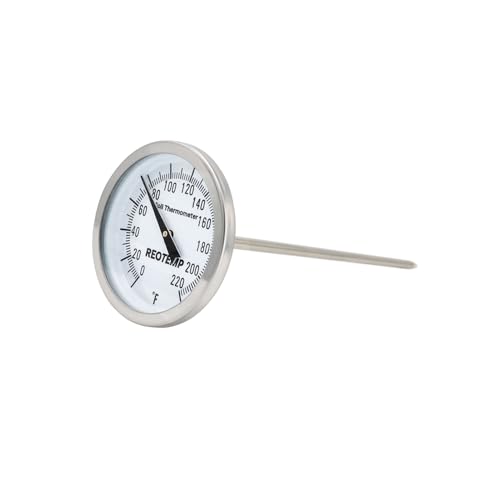
Corrosion Resistant 304 Stainless Steel Case, Bezel and 5" Stem

【The Ideal 5-Inch Depth for Home Gardens & Compost Bins】Designed for All Passionate Gardeners! This probe is long enough to reach the active core of backyard compost piles and deep into soil for accurate readings, yet perfectly sized for raised beds and containers without the hassle of overly long professional stems.
Soil Temperature
Soil temperature plays a crucial role in root development. For successful planting, soil temperatures should ideally reach 50°F to 60°F. You can check soil temperature with a soil thermometer. If temperatures are too low, it may delay root growth, impacting overall tree health. Aim to plant your trees when soil temperature is consistently warm enough, typically around mid-April to early May.
Frost Dates
Understanding local frost dates is essential for protecting your new trees. Zone 5 typically has a last frost date between late April and early May. Always check your specific area’s frost dates before planting. If you plant too early, young trees may suffer from frost damage. It’s best to wait until after that last frost to ensure a healthier start. You can find frost date information through local agricultural extensions or farming websites.
Recommended Fruit Trees for Zone 5
Zone 5 offers a great variety of fruit trees suitable for your garden. Choosing the right type can lead to a fruitful harvest. Here are some top options for you:
Recommended Products

Product Quantity: 180+ premium bonsai fruit seeds across 5 varieties; Individual packs contain 40+ apple, 40+ lemon, 40+ orange, 20+ blueberry, and 40+ cherry seeds; Perfect for starting a diverse miniature orchard
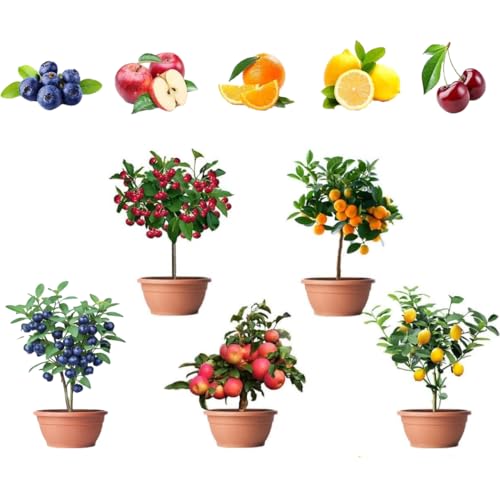
Variety Pack of 5 Fruits: Includes 40 Lemon seeds, 40 Orange seeds, 40 Apple seeds, 20 Cherry seeds, and 20 Blueberry seeds for a colorful and diverse home garden
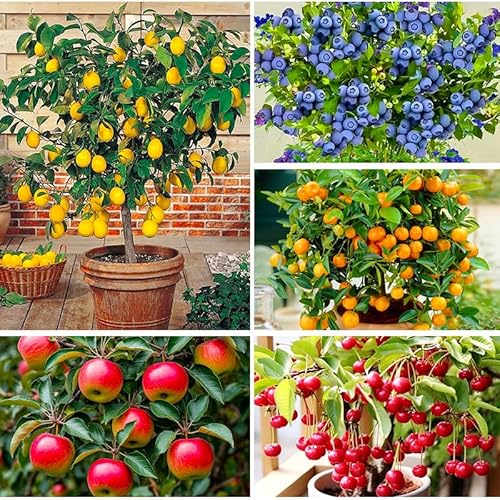
This set includes 5 individually packed fruit tree seed varieties: 40+ Lemon Tree Seeds, 20+ Cherry Tree Seeds, 40+ Orange Tree Seeds, 40+ Apple Seeds, and 20+ Blueberry Seeds. Offers a wide variety for your bonsai creation projects.
Apple Trees
Apple trees thrive in Zone 5. They require full sunlight and well-draining soil for optimal growth. Popular varieties include:
- Honeycrisp: Sweet and juicy, ideal for fresh eating.
- Granny Smith: Tart flavor, perfect for baking and snacks.
- Fuji: Crisp and sweet, great for fresh consumption.
Plant apple trees in spring after the last frost or in early fall. Ensure you provide enough space for each tree to grow, typically 15 to 20 feet apart.
Pear Trees
Pear trees are a fantastic choice for Zone 5. They enjoy similar conditions to apple trees, with good drainage and plenty of sunshine. Recommended varieties are:
- Bartlett: Sweet fruit that’s excellent for canning and fresh eating.
- Bosc: Known for its unique flavor and long storage life.
- Asian Pear: Crisp texture, like an apple, and great for snacking.
Plant pear trees in well-prepared soil, and space them about 12 to 15 feet apart. Spring planting works best, as it allows trees to establish before winter.
Cherry Trees
Cherry trees flourish in Zone 5 and provide beautiful blossoms in spring. They prefer direct sunlight and well-drained soil. Notable varieties include:
- Bing: Sweet, dark cherries perfect for fresh eating and cooking.
- Montmorency: Tart cherries great for preserves and pies.
- Lapins: Self-pollinating, producing large, sweet fruits.
You can plant cherry trees either in early spring or fall. Ensure they have adequate air circulation and space them at least 20 feet apart to prevent overcrowding.
By selecting the right fruit trees and providing proper care, your garden can yield delicious fruit that thrives in Zone 5’s climate.
Conclusion
Growing fruit trees in Zone 5 can be a rewarding experience when you plant them at the right time. By paying attention to local frost dates and soil temperatures you set your trees up for success. Whether you choose to plant in spring or fall each season offers unique advantages that can help your trees thrive.
Remember to consider factors like soil quality and sunlight to give your trees the best chance for a bountiful harvest. With a little patience and care you’ll be enjoying delicious homegrown fruit in no time. Happy gardening!
Frequently Asked Questions
What is Zone 5 gardening like?
Zone 5 features a temperate climate with winter temperatures ranging from -10°F to 0°F. The average growing season lasts about 150 to 180 days, making it suitable for various fruit trees like apples, pears, and cherries.
When is the best time to plant fruit trees in Zone 5?
The best time to plant fruit trees in Zone 5 is either spring, after the last frost (mid-April to early May), or fall (late September to early October). Timing depends on the tree variety and gardener preferences.
How should I prepare the soil for planting fruit trees?
Preparation involves checking soil temperature, ideally between 50°F and 60°F, ensuring good drainage, and enriching the soil with organic matter. Proper soil preparation supports healthy root development.
Why is it important to know local frost dates?
Knowing local frost dates is crucial because planting too early can expose young trees to frost damage. Waiting until after the last frost ensures a safer start for newly planted trees.
Which fruit trees grow well in Zone 5?
Fruit trees that thrive in Zone 5 include apples (like Honeycrisp and Granny Smith), pears (such as Bartlett and Bosc), and cherries (including Bing and Montmorency). Choosing suitable varieties enhances successful growth.
How do I ensure healthy growth for fruit trees?
Healthy growth can be achieved by providing adequate sunlight, proper mulching, regular watering, and monitoring soil quality. These factors contribute to strong trees and a bountiful harvest.
What are the best practices for watering fruit trees?
Water young fruit trees deeply and regularly, especially during dry spells. Ensure the soil stays moist but not waterlogged, as consistent moisture promotes healthy root development.
Can I plant fruit trees in containers in Zone 5?
Yes, container planting is an option. Ensure the container has drainage holes and use high-quality potting soil. Container trees may require more frequent watering and protection during winter.
How can I protect my trees from late spring frosts?
To protect young trees from late spring frosts, monitor local frost dates, use row covers or blankets on cold nights, and avoid planting until after the last expected frost date.
What role does mulching play in fruit tree care?
Mulching helps retain soil moisture, regulate temperature, suppress weeds, and improve soil quality as it breaks down. A 2-3 inch layer of organic mulch is beneficial for healthy fruit trees.
