

Have you ever wondered where grapefruits come from? Picture this: you’re strolling through a lush orchard, surrounded by vibrant citrus trees. As you gaze at the hanging fruits, a question pops into your mind – do grapefruits grow on trees? In this article, we’ll explore the fascinating world of grapefruit cultivation and uncover the truth behind this juicy citrus fruit.
By understanding how grapefruits grow, you’ll gain a newfound appreciation for this delicious fruit. Discovering the origins of grapefruits can deepen your connection to nature and the food you enjoy. So, get ready to explore the surprising facts about grapefruit trees and how they produce the tangy-sweet fruits we love. Let’s embark on this journey together and unravel the mystery of grapefruit cultivation.
Key Takeaways
- Grapefruits grow on trees, and understanding the lifecycle of grapefruit trees can deepen appreciation for this citrus fruit.
- Grapefruit trees have essential parts like roots, trunk, branches, leaves that play vital roles in fruit production.
- Adequate sunlight, proper watering, and fertilization are crucial for healthy growth and fruit production of grapefruit trees.
- Characteristics like deep root system, sturdy trunk, strong branches, and glossy leaves are key for successfully growing grapefruit trees.
- Providing the right growing conditions including sunlight, temperature, soil, watering, fertilization, pruning, and pest management is essential for cultivating grapefruit trees.
- Pruning, maintenance, and harvesting practices are vital for promoting optimal growth, fruit production, and harvesting delicious grapefruits.
Overview of Grapefruit Trees
Grapefruit trees, like other citrus trees, are evergreen plants characterized by glossy green leaves and fragrant white flowers. The process of growing grapefruit involves specific stages that lead to the development of the tangy-sweet fruits we enjoy. Understanding the lifecycle of grapefruit trees can deepen your appreciation for this citrus fruit. Let’s delve into the fascinating world of grapefruit tree cultivation.
Parts of a Grapefruit Tree
- Root System: The root system of a grapefruit tree anchors it to the ground and absorbs water and nutrients from the soil. Healthy roots are essential for the tree’s overall growth and fruit production.
- Trunk and Branches: The trunk provides structural support to the tree, while the branches bear the fruit. Pruning the branches properly can promote fruit-bearing and maintain the tree’s health.
- Leaves: Grapefruit trees have glossy green leaves that play a vital role in photosynthesis, the process by which plants convert sunlight into energy. Healthy leaves are crucial for fruit development.
Flowering and Fruit Production
- Flowering: Grapefruit trees produce fragrant white flowers in clusters. These flowers are essential for pollination, leading to fruit formation.
- Fruit Development: After successful pollination, grapefruits start to develop. It takes several months for the fruits to reach maturity, during which they grow, change color, and accumulate sugars.
- Sunlight: Grapefruit trees require full sun exposure to thrive. Ensure your tree receives at least 6-8 hours of sunlight daily for optimal growth and fruit production.
- Watering: Proper watering is crucial for grapefruit trees. They prefer consistently moist soil but can be sensitive to overwatering. Adjust your watering schedule depending on the climate and soil conditions.
- Fertilization: Regular fertilization with citrus-specific nutrients can help boost fruit production and overall tree health. Follow the recommended fertilization schedule for best results.
By understanding the lifecycle and care requirements of grapefruit trees, you can cultivate these citrus wonders in your own garden and enjoy the fresh, tangy fruits straight from the tree. Start your grapefruit tree journey today and witness the rewarding process of growing your citrus delights.
Characteristics of Grapefruit Trees
Grapefruit trees are characterized by their distinct features that play a crucial role in the cultivation of these delicious citrus fruits. Understanding the specific traits of grapefruit trees is essential for successfully growing them in your garden. Here are the key characteristics to consider:
Root System
- Grapefruit trees have a deep and extensive root system that helps anchor the tree in the soil and absorb water and nutrients efficiently.
- The roots of grapefruit trees can extend far beyond the drip line of the tree, so ensure proper watering to reach the entire root system.
Trunk
- The trunk of a grapefruit tree is sturdy and typically straight, providing structural support for the branches and fruits.
- It’s important to protect the trunk from damage, as any injuries or diseases can affect the overall health of the tree.
Branches
- Grapefruit trees have strong branches that spread outwards as the tree matures, bearing the weight of the fruit.
- Prune the branches regularly to maintain an open canopy and promote air circulation, which is vital for healthy fruit development.
Leaves
- The leaves of grapefruit trees are glossy, dark green, and oval-shaped, adding to the tree’s ornamental value.
- Keep an eye on the leaves for any signs of pests or diseases that could impact the tree’s growth and fruit production.
Flowering and Fruit Development
- Grapefruit trees produce fragrant white flowers, which eventually develop into the iconic round or oval fruits.
- Adequate sunlight is crucial for flowering and fruit development, so ensure your tree receives full sun for optimal growth.
- Grapefruit trees require regular watering, especially during dry periods, to keep the soil consistently moist but not waterlogged.
- Fertilize the tree with a balanced citrus fertilizer to provide essential nutrients for healthy growth and fruit production.
Growing Conditions for Grapefruit Trees
To ensure successful cultivation of grapefruit trees, it’s essential to provide the right growing conditions. Here’s what you need to know:
Recommended Products

Produce abundant and vibrant fruit and blooms! This product works by strengthening your plant's roots to increase nutrient uptake… enabling it to bloom and produce like you've never seen!

Produce abundant and vibrant fruit and blooms! This product works by strengthening your plant's roots to increase nutrient uptake… enabling it to bloom and produce like you've never seen!

CITRUS PLANT FOOD: This avacado, mango and citrus fruit tree fertilizer feeds plants for up to 3 months and nourishes above and below the soil
Sunlight
Grapefruit trees require lots of sunlight. They thrive in full sunlight for most of the day. Adequate sunlight helps in the photosynthesis process, leading to healthy growth and fruit production.
Temperature
Grapefruit trees prefer warm temperatures. They grow best in temperatures between 60-85°F. Freezing temperatures can damage the tree, so ensure they are protected during colder months.
Soil
Well-draining soil is vital for grapefruit trees. Sandy loam or sandy soil with good aeration is ideal. The soil pH should be around 6.0 for optimal growth. Soil testing can help determine if the soil meets these requirements.
Watering
Regular watering is crucial, especially during the fruiting season. Deep and infrequent watering is recommended. Ensure the soil moisture is consistent but not waterlogged to avoid root rot.
Fertilization
Fertilizing grapefruit trees is important for healthy growth and fruit development. Use a specific citrus tree fertilizer with a balanced blend of nitrogen, phosphorus, and potassium. Follow the recommended dosage for best results.
Pruning
Pruning grapefruit trees helps maintain a balanced shape and promotes fruit production. Remove dead branches and crossing limbs to allow air circulation and sunlight exposure throughout the canopy.
Pests and Diseases
Regularly inspect your grapefruit trees for pests and diseases. Common pests include aphids and citrus leaf miners, while diseases like citrus canker can affect tree health. Early detection helps in preventing and managing these issues.
Mulching
Mulching around grapefruit trees helps retain soil moisture and moderate soil temperature. Use organic mulch, such as wood chips or compost, to improve soil structure and reduce weed growth.
Pruning and Maintenance of Grapefruit Trees
When it comes to the pruning and maintenance of grapefruit trees, proper care is essential for ensuring healthy growth and a bountiful harvest. Here’s how you can effectively prune and maintain your grapefruit trees to promote optimal fruit production:
Recommended Products

[Cut & Hold Pole Pruner for Tree Trimming] This long reach cut and hold pruner makes it easy to grip and remove branches, flowers, or fruit without dropping them. Perfect as a pole fruit picker for harvesting lemons, oranges, apples, or persimmons, and for trimming shrubs and bushes without climbing a ladder.
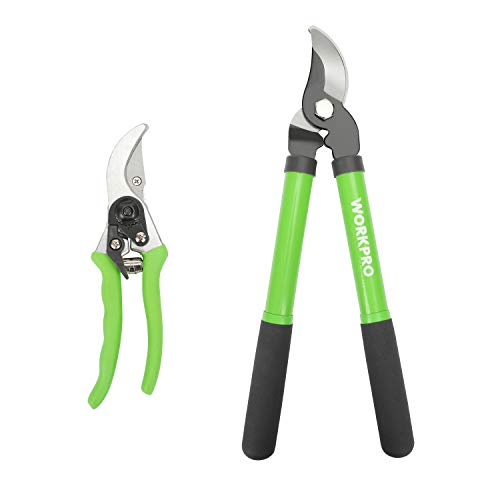
Ideal for pruning flowers and other garden plants

IDEAL BRANCH TRIMMER: Tree pruner that extends from 7.9 to 12 feet; Lightweight aluminum pole weighing less than five pounds to help minimize fatigue; Ideal for cutting high branches, or making low cuts without bending or kneeling
Pruning Grapefruit Trees for Shape and Health
Pruning your grapefruit trees is vital to maintain their shape, ensure good air circulation, and promote fruit production. Here are some key tips for pruning your grapefruit trees:
- Trimming Dead or Diseased Branches: Regularly inspect your tree for any dead or diseased branches and promptly remove them to prevent the spread of infection.
- Managing Tree Height: Prune the upper branches to control the height of the tree, making it easier to harvest the fruit and maintain overall tree health.
- Shaping the Tree: Trim the outer branches to encourage a well-balanced and open canopy that allows sunlight to reach all parts of the tree.
Timing of Pruning
For grapefruit trees, the best time to prune is in late winter to early spring before the tree begins its active growth phase. Avoid pruning during the rainy season to reduce the risk of diseases entering through the pruning cuts.
Tools for Pruning
Make sure you have the right tools for the job, such as sharp pruning shears, loppers for thicker branches, and a pruning saw for larger cuts. Keeping your tools clean and sharp will ensure clean cuts that promote faster healing.
Maintenance Practices
In addition to pruning, regular maintenance of grapefruit trees is essential for their overall health and productivity. Here are some maintenance practices you should follow:
- Fertilization: Provide your grapefruit tree with balanced fertilizer according to its age and growth stage to support healthy fruit production.
- Watering: Ensure your tree receives sufficient water, especially during dry periods, but avoid overwatering, which can lead to root rot.
- Pest and Disease Management: Keep an eye out for common pests and diseases that affect grapefruit trees and take appropriate measures to control them.
By following these pruning and maintenance tips, you can keep your grapefruit trees healthy, productive, and thriving, ultimately leading to a successful harvest of delicious grapefruits.
Harvesting Grapefruits
When it comes to harvesting grapefruits, timing is crucial for ensuring you pick the best fruits. Here’s a breakdown of essential tips to help you harvest your grapefruits effectively:
1. Determining Ripeness:
To harvest ripe grapefruits, look for signs of readiness. A ripe grapefruit is firm but yields slightly to pressure. It should also have a vibrant color and feel heavy for its size.
2. Harvesting Technique:
When picking grapefruits, use pruning shears to carefully cut the fruit from the tree. Leave a short stem attached to the fruit to prevent damage and maintain freshness.
3. Harvesting Schedule:
Grapefruits typically ripen during specific seasons based on the variety planted. Ensure you know the expected harvest time for your specific grapefruit type to pick them at their peak flavor.
4. Storage Tips:
After harvesting, store grapefruits at room temperature if you plan to consume them within a few days. For longer storage, keep them in the refrigerator to maintain freshness.
5. Post-Harvest Care:
Inspect harvested grapefruits for any blemishes or damage. Remove any spoiled fruits to prevent them from affecting the rest. Properly stored grapefruits can last for several weeks.
By following these harvesting tips, you can enjoy the fruits of your labor with delicious, fresh grapefruits ready for consumption or use in various culinary delights.
Recommended Products
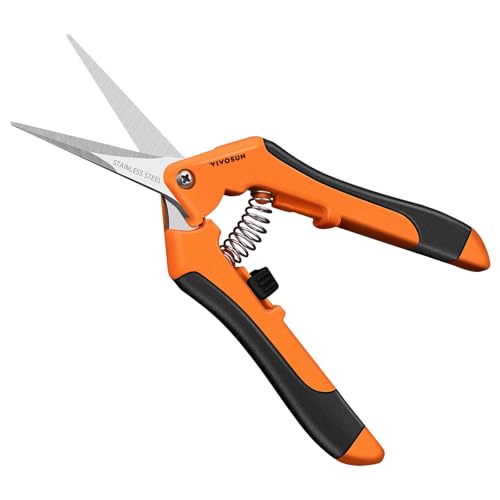
Reduce Hand Strain: These micro tip snips are made to reduces hand fatigue which makes them great for those with arthritis, carpal tunnel, hand or wrist issues; Comfortable “grip” handles will make it easy to work for long-time use without making you feel hand pain

CLEAN CUTS FOR LIVE GROWTH: Bypass blade design is ideal for pruning delicate flower stems and green growth, helping reduce crushing and plant damage while cutting stems and small branches up to 5/8” in diameter

【ANTI-SLIP HANDLE DESIGN】: The two-color anti-slip handle of the fruit pruning shears is ergonomically designed made of high purity PP+TRP secondary injection molding. Garden Pruning Shears handle is comfortable to grip and save energy. Garden shears has strong toughness and strength, which provides a strong grip and toughness for long-term use.
Conclusion
You’ve now learned the ins and outs of cultivating grapefruit trees, from understanding their characteristics to mastering the art of pruning for optimal fruit production. By following the tips on shaping, height management, and timing of pruning, you’re on your way to a healthy and fruitful tree. Harvesting grapefruits effectively is key, and with insights on ripeness, techniques, scheduling, storage, and post-harvest care, you’re equipped for success. Remember, a well-tended grapefruit tree can reward you with a bounty of fresh fruits for your culinary creations. Happy growing and harvesting!
Frequently Asked Questions
1. What are the key characteristics of grapefruit trees?
Grapefruit trees are evergreen and can grow up to 20 to 50 feet tall with glossy, dark green leaves. They produce large, round fruits with a thick, yellow rind and pink, red, or white flesh.
2. What are the ideal growing conditions for grapefruit trees?
Grapefruit trees thrive in warm climates with full sun exposure and well-draining soil. They prefer temperatures between 50-100°F and regular watering, avoiding waterlogged conditions.
3. Why is pruning important for grapefruit tree maintenance?
Pruning helps maintain tree health, shape, and fruit production. It promotes air circulation, sunlight penetration, and removes dead or diseased branches, encouraging new growth and improving fruit quality.
4. When should I prune my grapefruit tree?
The best time to prune grapefruit trees is in late winter or early spring before new growth appears. Avoid pruning during the fall or late summer to prevent stress or damage to the tree.
5. How do I know when grapefruits are ripe for harvesting?
Ripe grapefruits are firm, heavy for their size, and have a slightly soft feel when gently squeezed. The color may vary based on the variety, and they should release easily from the stem when ready.
6. What are some effective harvesting techniques for grapefruits?
Use pruning shears to cut grapefruits from the tree, leaving a short stem attached to the fruit. Handle them carefully to avoid bruising or damaging the skin, ensuring better storage and freshness.
7. How should I store harvested grapefruits?
Store freshly harvested grapefruits at room temperature for 1-2 weeks or in the refrigerator for up to a month. Keep them in a cool, dark place with good ventilation to maintain their quality.
8. What are some post-harvest care tips for grapefruits?
After harvesting, wash grapefruits in lukewarm water to remove any dirt or residue. Dry them thoroughly before storing or consuming to prevent mold growth and maintain freshness.
