

Have you ever dreamed of plucking fresh fruit right from your backyard? Growing fruit trees can turn that dream into a delicious reality. Whether you’re looking to enjoy juicy apples or sweet peaches, nurturing your own trees can be a rewarding experience.
Imagine the joy of watching your trees flourish, knowing you’ve cultivated them from tiny seedlings. This article will guide you through the essential steps to grow healthy fruit trees, from choosing the right varieties to caring for them as they mature. With a little patience and the right techniques, you’ll be on your way to enjoying the fruits of your labor in no time.
Key Takeaways
- Understand Fruit Tree Types: Familiarize yourself with the two main categories of fruit trees: deciduous and evergreen, and choose varieties based on your local climate for successful growth.
- Select the Right Variety: Consider climate, soil type, and available space when selecting fruit tree varieties. Opt for disease-resistant types to enhance yield and reduce maintenance.
- Proper Preparation is Key: Ensure the planting location receives adequate sunlight, has good drainage, and is adequately spaced to promote air circulation. Prepare your soil with organic matter and test for pH.
- Timing and Technique for Planting: Plant trees in early spring or late fall when they are dormant. Follow proper planting techniques, including positioning the graft union above soil level and watering thoroughly afterward.
- Consistent Care Practices: Regularly water, fertilize, prune, and monitor for pests and diseases to keep your fruit trees healthy, ensuring they thrive season after season.
- Address Common Challenges: Stay vigilant for potential challenges such as pests, diseases, and environmental factors. Implement organic methods for pest control and maintain good airflow to prevent diseases.
Understanding Fruit Trees
Understanding fruit trees involves recognizing their types and choosing the right variety for your space. These factors significantly influence the success of your fruit-growing endeavors.
Types of Fruit Trees
Fruit trees fall into two primary categories: deciduous and evergreen.
- Deciduous Trees: These trees shed leaves annually and often bear fruit in a specified season. Examples include apple, peach, and cherry trees.
- Evergreen Trees: These trees retain their leaves all year round. They produce fruit continuously or during specific seasons. Examples include citrus and avocado trees.
Selecting the right type of fruit tree based on your local climate is crucial for ensuring healthy growth.
Choosing the Right Variety
Choosing the right variety of fruit tree requires considering several factors. Start by assessing your climate and soil type:
- Climate: Check the USDA Plant Hardiness Zone Map to determine which fruit trees thrive in your area. For instance, blueberries thrive in cooler climates, while fig trees prefer warmer temperatures.
- Soil Type: Conduct a soil test to understand its pH and nutrient levels. Most fruit trees prefer well-drained, loamy soil for optimal growth.
Consider the space available in your yard.
- Size: Dwarf varieties are perfect for small gardens, while larger spaces can accommodate full-sized trees. For example, a dwarf apple tree can fit comfortably in a smaller garden.
Finally, choose disease-resistant varieties to minimize maintenance and maximize yields. For instance, select apple varieties noted for scab resistance to reduce the likelihood of fungal infections.
By understanding different types of fruit trees and carefully selecting the right variety, you prepare yourself for a fruitful gardening experience.
Preparing for Planting
Preparation sets the foundation for successful fruit tree growth. Proper location selection and soil preparation enhance your trees’ health and productivity.
Recommended Products

Accurate Soil pH Testing: Dewildetradingco Soil pH Test Strips offer measurements of soil pH levels (pH 3.5-9). As an essential tool for every gardener and grower, these test strips help determine the optimal pH for various plants, such as outdoor plants, indoor plants, gardens, grass lawns, fruit trees, flowers, vegetables, and forest shrubs.

KNOW BEFORE YOU GROW | Grow the healthiest, sustainable lawn and garden with the most accurate and easy to use professional soil test kit on the market

Kindly NOTE: This soil tester can not be applied to test pH value of any other liquid. If the soil is too dry the indicator will not move, and water it before testing.
Selecting the Right Location
Choose a spot that receives ample sunlight. Fruit trees thrive with at least six to eight hours of direct sunlight each day. Assess wind protection; young trees benefit from a windbreak that helps prevent damage. Ensure good drainage; avoid low-lying areas where water tends to pool.
Consider the distance between trees. Space them appropriately to allow air circulation and sunlight exposure. For example, apple trees require 15 to 20 feet apart, while smaller varieties, like dwarf pears, can be planted closer—about 6 to 10 feet apart.
Soil Preparation Techniques
Test your soil before planting. A soil test measures nutrient levels and pH, helping you amend it properly. Most fruit trees thrive in slightly acidic soil with a pH between 6.0 and 7.0. Amend the soil as needed with lime to raise pH or sulfur to lower it.
Incorporate organic matter for better structure and moisture retention. You can add compost or well-rotted manure to enrich the soil. Aim for a 12-inch deep mix of existing soil and organic matter.
Loosen the soil in the planting area to promote root growth. Use a shovel or garden fork to break up compacted soil. Excavate a hole twice as wide and deep as the tree’s root ball, ensuring it’s deep enough for the roots to spread out comfortably.
Water the area thoroughly before planting. This step prepares the soil and reduces transplant shock, giving your fruit trees the best start possible.
Planting Fruit Trees
Planting fruit trees involves careful timing and technique to ensure healthy growth and fruit production. Follow these guidelines to get started effectively.
Ideal Planting Time
Timing plays a crucial role in successful fruit tree planting. The best time to plant fruit trees typically falls in early spring or late fall, when the trees enter a dormant state. Spring planting allows trees to establish roots before the heat of summer. In contrast, fall planting gives trees a head start in root development before winter hits.
For specific fruits, consider the following timing:
- Apple Trees: Plant in early spring after the last frost.
- Peach Trees: Early spring or late fall works well.
- Citrus Trees: Wait until after the threat of frost has passed in late spring.
Proper Planting Techniques
Executing proper planting techniques ensures that your fruit trees thrive. Follow these steps for optimal results:
- Prepare the Planting Hole: Dig a hole twice the width and depth of the root ball. This allows roots to spread easily.
- Amend the Soil: Mix in organic compost to improve soil fertility and drainage.
- Position the Tree: Place the tree in the center of the hole. Ensure the graft union, the point where the tree’s variety was grafted onto the rootstock, sits above soil level.
- Fill the Hole: Gently backfill the hole with the soil mixture. Avoid packing the soil too tightly to allow for root growth.
- Water Thoroughly: After planting, generously water the area to settle the soil and eliminate air pockets.
- Mulch for Moisture: Apply a layer of mulch around the base of the tree. This retains moisture and suppresses weeds.
Following these planting guidelines ensures healthy development for your fruit trees and sets the stage for a fruitful garden.
Caring for Fruit Trees
Caring for your fruit trees is vital for healthy growth and bountiful harvests. This section focuses on essential practices like watering, fertilization, pruning, and ongoing maintenance.
Recommended Products

✂Multifunctional -2 in 1 Garden Grafting Tools-Professional grafting set allows you to pruning and grafting at the same time, saving more time and effort than traditional grafting methods, easy to use and more efficient. It allows you to trim away excess leaves and twigs and prepare the plants to be grafted. At the same time, you can make a precise cut into the grafting stock with the special grafting blade.

★ 1. What you get: Professional convenient grafting tool set including a dual-use grafting pruner tool contain 2 extra replaceable blades, a wrench and a screwdriver, along with 36pcs wide rubber bands, 150 thick rubber bands and 1 grafting tape, packed in a black wallet to meet all your needs

UPGRAFE PROFESSIONAL GARDENING GRAFTING TOOLS: Professional grafting set, including 2 in 1 grafting pruning tools, 3 replaceable blades, a grafting knife, a pruning shears, a screwdriver, a wrench, 3 grafting films, and 45 colorful tag cards
Watering and Fertilization
Watering plays a key role in the vitality of fruit trees. Ensure regular watering, particularly during dry spells. A good rule of thumb is to provide about one inch of water weekly. Use a soaker hose or drip irrigation to deliver moisture directly to the roots.
Fertilization complements your watering routine. Use a balanced fertilizer specifically formulated for fruit trees. Apply it in early spring before new growth begins and again after the fruit sets. Follow the product instructions for proper amounts, as over-fertilizing can damage roots.
Pruning and Maintenance
Pruning keeps fruit trees healthy and productive. Start pruning in late winter or early spring when trees are still dormant. Focus on these key practices:
- Remove Dead or Diseased Wood: This helps prevent the spread of pests and diseases.
- Thin Out Crowded Branches: Selectively cut branches that cross or crowd each other to improve air circulation.
- Shape the Tree: Maintain an open center and shape your trees for sunlight exposure.
Maintenance tasks include monitoring for pests and diseases. Use horticultural soap for minor infestations and maintain cleanliness around the base of the tree to discourage pests. Regularly check for signs of nutrient deficiencies or stress.
Following these care guidelines ensures your fruit trees thrive and produce delicious fruits season after season.
Common Challenges
Growing fruit trees comes with its challenges, including pests, diseases, and environmental factors. Understanding these challenges and addressing them early helps ensure your trees thrive.
Recommended Products
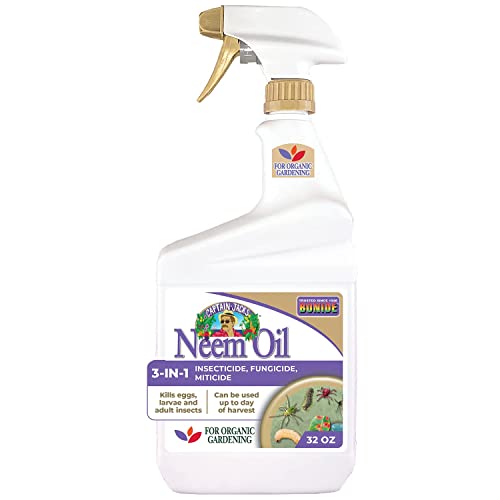
MULTI-PURPOSE BUG KILLER - Bonide Neem Oil is a perfect pest control solution for any garden dealing with mites, flies, mildew, and more. This product is a three-in-one fungicide, miticide, and insecticide.

Protect your oasis with Captain Jack’s Neem Max Ready-to-Use Spray; this multipurpose product acts as a 4-in-1 insecticide, fungicide, miticide and nematicide

Protect your oasis with Captain Jack’s Neem Max Ready-to-Spray solution; this multipurpose product acts as a 4-in-1 insecticide, fungicide, miticide and nematicide
Pests and Diseases
Pests can wreak havoc on fruit trees. Common pests include aphids, spider mites, and fruit flies. You can manage pest populations by inspecting trees regularly. Look for signs of infestation, such as discolored leaves or holes in fruits.
Use organic methods first. Introduce beneficial insects like ladybugs to control aphid populations. Apply insecticidal soap or neem oil to prevent further damage when infestations occur.
Diseases like powdery mildew and root rot also threaten your trees. Prevent these issues by maintaining good airflow and avoiding overcrowding. Water your trees at the base rather than overhead to keep foliage dry. If you spot disease, promptly remove affected leaves or branches and consider applying fungicides for serious infections.
Environmental Factors
Environmental factors play a significant role in the health of your fruit trees. Temperature fluctuations can stress trees, especially during blooming. To counteract this, check local frost dates and plant your trees accordingly.
Soil quality affects root development and access to nutrients. Test your soil pH before planting; most fruit trees prefer a pH between 6.0 and 7.0. Amend the soil as needed—add lime to raise pH or sulfur to lower it.
Sunlight exposure is vital. Ensure your trees receive 6-8 hours of direct sunlight daily. Plant in a location with ample sun, and avoid shading from nearby structures or larger trees.
Lastly, monitor water levels. Overwatering leads to root rot, while underwatering causes stress. Use a moisture meter or simply check the top inch of soil; it should feel moist but not soggy. Adjust your watering schedule based on rainfall and temperature to keep your trees healthy.
Conclusion
Growing fruit trees is a fulfilling journey that brings fresh flavors right to your backyard. By understanding the needs of your trees and providing the right care you can enjoy a bountiful harvest year after year.
Remember to choose varieties that suit your climate and space and stay on top of watering and maintenance. With a little patience and attention you’ll soon be savoring the fruits of your labor.
So grab your gardening gloves and get started on this rewarding adventure. Happy gardening!
Frequently Asked Questions
What types of fruit trees are there?
Fruit trees are mainly categorized into two types: deciduous and evergreen. Deciduous trees, like apples and peaches, lose their leaves annually and produce seasonal fruit. In contrast, evergreen trees, such as citrus and avocado, retain leaves year-round and can yield fruit continuously.
How do I choose the right fruit tree for my climate?
Select fruit trees based on your local climate by checking the USDA Plant Hardiness Zone Map. Consider factors like soil type, available space, and any disease-resistant varieties. Matching the tree’s needs to your environment is key for healthy growth.
When is the best time to plant fruit trees?
The ideal time to plant fruit trees is in early spring or late fall when trees are dormant. Timing may vary by specific fruit types, so check recommendations for each variety to ensure the best results.
How should I prepare the soil for planting fruit trees?
Prepare the soil by testing its nutrient levels and pH, then amend as needed. Loosen the soil in the planting area and create a hole twice as wide and deep as the tree’s root ball. Incorporate organic matter for better structure and moisture retention.
What care do fruit trees require after planting?
Fruit trees need regular care, including watering, fertilization, and pruning. Water especially during dry spells, apply a balanced fertilizer in spring, and prune for tree health by removing dead branches and promoting sunlight exposure.
How can I manage pests and diseases in fruit trees?
Monitor your fruit trees regularly for pests like aphids and spider mites. Use organic methods such as beneficial insects or insecticidal soap. Prevent diseases like powdery mildew by ensuring good airflow and proper watering techniques.
What environmental factors should I consider for healthy fruit trees?
Pay attention to temperature fluctuations, soil quality, sunlight exposure, and water levels. Check local frost dates, test soil pH, ensure ample sunlight, and monitor moisture to maintain optimal conditions for your fruit trees.
