

Have you ever wondered if you need more than one peach tree to enjoy juicy, homegrown fruit? You’re not alone. Many gardeners face this question when planning their orchards. Imagine planting your very own peach tree only to find out it won’t bear fruit without a partner.
In this article, we’ll explore whether one peach tree is enough or if you really need two to reap the rewards of sweet peaches. You’ll learn about pollination, tree varieties, and tips for successful fruiting. By the end, you’ll have the answers you need to grow a thriving peach tree in your backyard.
Key Takeaways
- Self-Pollinating Varieties: Some peach trees, such as ‘Elberta’ and ‘Redhaven’, can produce fruit without requiring another tree nearby, making them ideal for single-tree planting.
- Cross-Pollination Benefits: Planting multiple varieties can enhance the quantity and quality of fruit harvested, with examples like ‘Stark Delicious’ and ‘O’Henry’ producing larger, sweeter peaches.
- Vital Growing Conditions: Peaches thrive in well-drained, loamy soil, with warm summers and chilling hours below 45°F during winter, emphasizing the importance of regional climate and soil quality.
- Tree Maturity Matters: Expect peach trees to start bearing fruit about 3 to 4 years after planting, with yield improving as the trees mature and with proper maintenance like pruning.
- Strategic Planting: For optimal results, space peach trees 15 to 20 feet apart and consider planting with beneficial companion plants like marigolds and basil to deter pests and improve growth.
- Debunking Myths: Not all peach trees need cross-pollination to produce fruit, and while pollinators are beneficial, self-pollinating varieties can set fruit even without them, ensuring successful growth.
Understanding Peach Tree Pollination
Peach tree pollination affects fruit production significantly. Knowing how it works helps you decide on planting options.
Recommended Products

These are ready to plant and should be put in the ground according to the included instructions upon arrival. All pictures are of fully grown plants. Sizes shipped are in the title and description. Deciduous plants do not have leaves in the winter.

Product Quantity: Five+ dwarf peach tree seeds per packet; Premium selection for optimal viability; Perfect for starting your own backyard orchard

Self-Pollinating Peach Trees
Some peach tree varieties are self-pollinating. This means one tree can produce fruit on its own. Examples include ‘Elberta’ and ‘Redhaven’. You can grow one self-pollinating tree and harvest peaches without needing another tree nearby. However, fruit quality and quantity may improve with cross-pollination.
Cross-Pollination Benefits
Cross-pollination occurs when pollen from one tree fertilizes another. This often increases fruit set and enhances size and flavor. Planting two or more different peach tree varieties can lead to better yields. For example, pairing ‘Stark Delicious’ with ‘O’Henry’ often results in larger, sweeter peaches. Consider the bloom times of each tree to ensure they flower together, maximizing cross-pollination benefits.
Factors Influencing Peach Tree Fruit Production
Understanding the key factors affecting peach tree fruit production helps you optimize your growing conditions and yield.
Recommended Products

Appearance: The Elberta Peach Tree features a beautiful display of pink blossoms in early spring. The fruit is large, yellow, and juicy, ideal for fresh eating or canning. At maturity, the tree reaches a height of 10-14 feet with a spread of 8-12 feet.
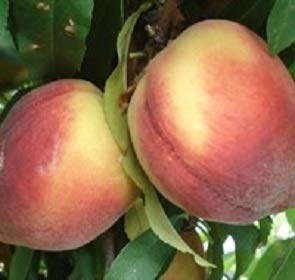
These are ready to plant and should be put in the ground according to the included instructions upon arrival. All pictures are of fully grown plants. Sizes shipped are in the title and description. Deciduous plants do not have leaves in the winter.

Container Size and Current Height: Ships in 1 gallon nursery pot with current tree height of 1-2 feet
Climate and Growing Conditions
Climate plays a crucial role in peach tree fruiting. Peach trees thrive in areas with warm summers and well-defined winters. Ideal temperatures range from 70°F to 85°F during the growing season. You must also ensure the tree gets between 500 and 1,000 chilling hours at temperatures below 45°F for proper dormancy and fruit set.
Soil quality matters too. You need well-drained, loamy soil with a pH level between 6.0 and 6.8. When planting, consider spacing your trees 15 to 20 feet apart to promote good air circulation. Also, regular watering during dry spells supports healthy fruit development.
Tree Variety and Maturity
Selecting the right tree variety influences fruit production. Some varieties, such as ‘Elberta’ and ‘Redhaven,’ are self-pollinating and can produce fruit on their own. Other varieties, like ‘Stark Delicious’ and ‘O’Henry,’ benefit from cross-pollination, which enhances fruit size and flavor.
The maturity of your tree also impacts its fruiting capability. Generally, peach trees will start producing fruit around 3 to 4 years after planting. Be patient; as trees mature, their yield increases. Proper pruning encourages strong growth and better fruit output.
Recommendations for Peach Tree Planting
Planting peach trees requires careful consideration of various factors to maximize fruit yield. These recommendations help ensure healthy growth and abundant fruit.
Recommended Products
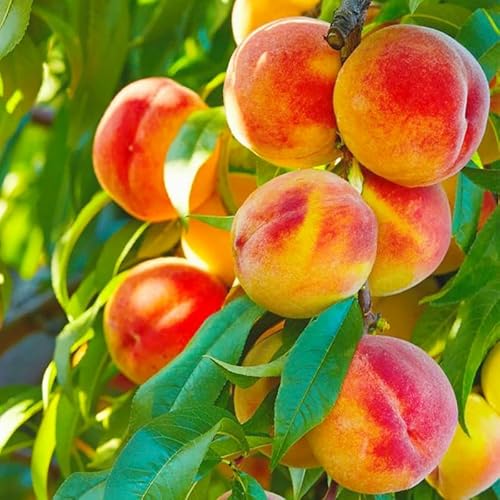
Peach trees produce fruit with multiple applications. The fruit can be enjoyed fresh and is also suitable for making jams, preserves, pies, and fruit salads.

Thrives in well-drained soil, ensuring optimal growth conditions and longevity.

BEGINNER-FRIENDLY & EASY TO GROW – Perfect for first-time bonsai growers, simple planting and care instructions
Ideal Spacing and Arrangement
Provide adequate space between trees. Aim for at least 15 to 20 feet of distance between each tree. This spacing promotes good air circulation and helps minimize disease spread. Arrange trees in a staggered or triangular pattern rather than a straight line. This layout encourages better light exposure for each tree.
Consider the mature size of the tree variety when planning the layout. For example, standard peach trees can grow 15 to 20 feet tall, while dwarf varieties stay at about 4 to 6 feet. Adjust spacing accordingly if you choose a different type.
Best Companion Plants
Choose companion plants that benefit peach trees. Popular options include marigolds, basil, and garlic. Marigolds deter pests like nematodes. Basil enhances the flavor of nearby fruits. Garlic acts as a natural repellent for aphids and other insects.
Avoid planting near other fruit trees that might compete for nutrients or water. In particular, steer clear of trees that grow large, such as walnuts, as their roots can release toxins harmful to peach trees. By strategically selecting companion plants, you can create a thriving garden ecosystem that supports your peach trees’ growth.
Common Myths About Peach Trees
Many myths surround peach trees, particularly concerning their pollination and fruit production. Understanding these misconceptions can help you make informed decisions for your garden.
Misconceptions About Pollination
A common myth suggests all peach trees require cross-pollination to produce fruit. While it’s true that some variety benefits from having another tree nearby, many peach trees are self-pollinating. Varieties like ‘Elberta’ and ‘Redhaven’ thrive with just one tree. They can still produce a healthy crop without the presence of another. However, planting different self-pollinating varieties nearby might enhance fruit size and flavor.
The Role of Bees and Other Pollinators
Pollinators play a crucial role in the fruiting process of many plants, but the impact differs among peach trees. You might hear that bees are essential for all peach tree varieties. While bees and other beneficial insects are important, they primarily increase fruit yield and quality for non-self-pollinating varieties. Self-pollinating peach trees can still set fruit even if pollinators are scarce. That said, having a variety of pollinators in your garden promotes healthier trees and better fruit production overall.
Understanding these facts can aid in successful peach cultivation. You’ll be better equipped to plan and nurture your peach trees effectively.
Conclusion
Whether you plant one peach tree or several depends on the variety you choose and your gardening goals. If you opt for a self-pollinating type you can enjoy fresh peaches from just one tree. However if you’re looking to enhance the size and flavor of your fruit consider adding another variety for cross-pollination.
Remember to keep an eye on your tree’s growing conditions and make sure it gets the care it needs. With the right attention your peach tree can thrive and reward you with delicious fruit for years to come. Happy gardening and enjoy those juicy peaches!
Frequently Asked Questions
Do I need multiple peach trees to produce fruit?
Most peach trees are self-pollinating, meaning a single tree can produce fruit independently. However, planting multiple trees of different varieties can improve fruit size and flavor through cross-pollination.
What factors influence peach tree fruit production?
Key factors include climate, soil quality, and tree maturity. Peach trees flourish in warm climates with well-drained, loamy soil and need specific chilling hours. Trees typically bear fruit 3 to 4 years after planting.
How should I space my peach trees?
For optimal growth and air circulation, space peach trees at least 15 to 20 feet apart. Consider their mature size and arrange them in a staggered or triangular pattern for better light exposure.
What are the best companion plants for peach trees?
Companion plants like marigolds, basil, and garlic can enhance peach tree growth and deter pests. Avoid planting peach trees near larger fruit trees, such as walnuts, that may compete for nutrients.
How can I maximize my peach tree’s fruit yield?
Ensure proper watering, spacing, and regular pruning to encourage strong growth and better yields. Planting different compatible varieties can also help increase fruit production and quality.
When do peach trees start producing fruit?
Peach trees typically start to bear fruit 3 to 4 years after planting. Ensure they receive the right care, including watering and soil management, to promote healthy fruit development.
Are bees necessary for peach trees to produce fruit?
While bees help increase yields and quality in non-self-pollinating varieties, many self-pollinating peach trees can still set fruit without them. Pollinators are beneficial but not always essential.
What soil type is best for peach trees?
Peach trees prefer well-drained, loamy soil. Poor drainage or heavy clay soils can hinder growth and fruit production, so ensure your planting site has good drainage for optimal results.
