

Have you ever stepped outside to enjoy your fruit trees only to find them swarming with pesky fruit flies? It’s frustrating to see your hard work threatened by these tiny invaders. You’re not alone—many gardeners face this same challenge.
Key Takeaways
- Understanding Fruit Flies: Awareness of the life cycle and types of fruit flies helps in identifying infestations early and implementing effective control methods effectively.
- Prevention Strategies: Select optimal growing conditions, such as sunny, well-draining spots for trees, and practice regular sanitation by removing fallen and overripe fruit to deter infestations.
- Natural Remedies: Utilize companion planting and essential oils, such as peppermint and lavender, to naturally repel fruit flies and improve garden biodiversity.
- Chemical Controls: Safe pesticide options like spinosad and insecticidal soaps can effectively manage fruit fly populations when other strategies are insufficient, but proper application is crucial for safety.
- Regular Monitoring: Conduct weekly inspections of fruit trees to detect early signs of infestation, ensuring a proactive approach to pest management for healthier harvests.
Understanding Fruit Flies
Fruit flies are tiny pests known for their attraction to ripening fruit. These insects can quickly become a nuisance for fruit tree cultivators, impacting both production and enjoyment of your harvest.
Life Cycle of Fruit Flies
Understanding the life cycle of fruit flies helps you grasp how to control them effectively. Fruit flies go through four primary stages:
- Eggs: Females lay about 500 eggs on the surface of ripe or damaged fruit.
- Larvae: After roughly 24 hours, eggs hatch into larvae, which feed on the fruit, causing further damage.
- Pupae: Larvae develop into pupae within about a week, often in nearby soil or on the fruit itself.
- Adults: After approximately another week, adult flies emerge, ready to mate and continue the cycle.
The entire life cycle can take as little as eight to ten days, allowing populations to grow rapidly.
Common Types of Fruit Flies Affecting Fruit Trees
Several fruit fly species can infest fruit trees, with the following being the most common:
- Common Fruit Fly (Drosophila melanogaster): Small flies, about 1/8 inch long, typically attracted to overripe fruit.
- Mediterranean Fruit Fly (Ceratitis capitata): Slightly larger, these flies target a wide variety of fruit and can cause significant damage.
- Mango Fruit Fly (Bactrocera dorsalis): Prefers mangoes but also infests other tropical fruit. It poses a severe threat to many orchards.
Recognizing these species helps you identify infestations and choose appropriate control methods.
Prevention Techniques
Keeping fruit flies away from your fruit trees involves several effective strategies. You can create an environment that minimizes their attraction to your trees and reduces the chances of infestations.
Recommended Products
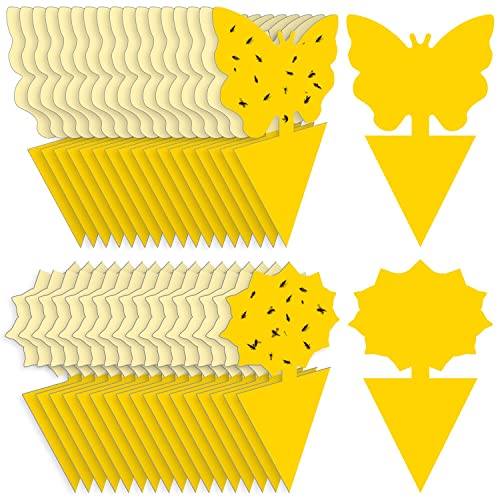
Yellow Sticky Traps -- Bright yellow color attract flying insects, and high quality glue keeps them from escaping. Specially designed for flying plant pests. Great for outdoor or indoor plant, especially potted plants.
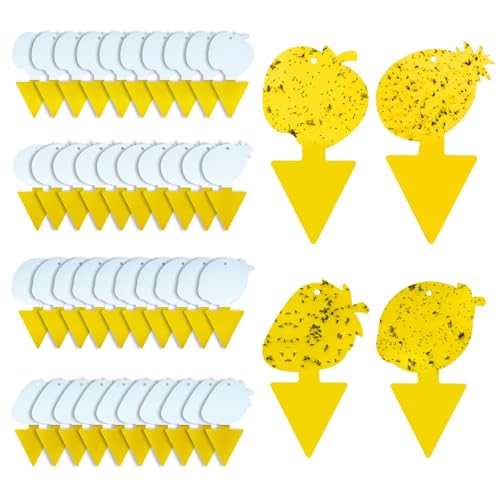
Powerful Insect Control: Captures fruit flies, gnats, whiteflies, aphids, midges, and other small flying pests using bright yellow color and extra-sticky glue

Designed for Variety Trapping Flying Plant Insects - great for capturing aphids, leaf miner, fungus gnats, thrips, white flies, black flies, midges and others. Safe and non-toxic, reduce the use of chemical insecticides.
Choosing the Right Location for Fruit Trees
Select a sunny, well-draining spot for your fruit trees. Positioning your trees near a windbreak can help prevent fruit flies from becoming established. Make sure there’s enough space between trees to promote airflow. By ensuring proper spacing, you’ll reduce humidity levels around the plants, making it less appealing for fruit flies. Additionally, avoid planting near compost piles or other decaying organic material, as these attract fruit flies.
Implementing Sanitation Practices
Regularly inspect and remove any fallen or overripe fruit from the ground. Collecting decaying fruit eliminates potential breeding sites for fruit flies. Clean up debris around the base of your trees, including leaves and other organic waste. This practice helps deter pests. Utilize traps or yellow sticky cards near your trees to monitor fly activity. If you notice an uptick in catches, take immediate action. Consider using organic insecticides as a safeguard if infestations seem imminent.
Natural Remedies
Explore natural remedies to keep fruit flies away from your fruit trees. These methods are effective, eco-friendly, and simple to implement.
Recommended Products

PEPPERMINT SPRAY FOR BUGS: This natural bug repellent for home is made with peppermint and cedarwood oil for pest control; it works indoor and outdoor by repelling bug, spiders, stink bugs, earwigs, flies, cats and rodents from crawling in your house, basement, attics, and yard; this is why Kate's Home & Garden insect repellent is a great indoor insect & natural pest control spray for insects to keep in your household supply

Introducing Raid Essentials Fruit Fly Tap that is safe* to use around kids and pets (*When used as directed)
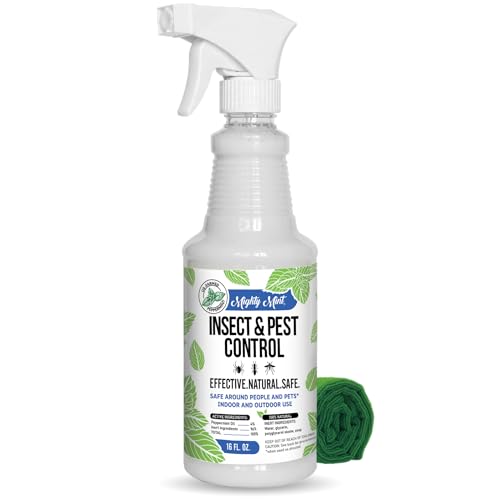
Pet-Friendly & Family-Safe Formula – Mighty Mint is a top pick for pet parents looking for a natural pest control solution. Safe to use around dogs, cats, and kids when applied as directed—no harsh fumes or dangerous chemicals, just powerful peppermint protection you can trust.
Companion Planting Strategies
Planting certain types of plants alongside your fruit trees can deter fruit flies. Consider the following companion plants:
- Basil: Its strong scent repels fruit flies and attracts beneficial insects.
- Marigolds: These flowers deter pests with their aroma and help attract pollinators.
- Nasturtiums: Known for their peppery scent, they can distract fruit flies from your fruit.
By incorporating these plants, you not only protect your trees but also enrich your garden’s biodiversity.
Using Essential Oils and Other Natural Deterrents
Essential oils serve as effective deterrents. Use the following essential oils for the best results:
- Peppermint Oil: Mix 10 drops in water and spray around your fruit trees to repel fruit flies.
- Lavender Oil: Create a solution with water to spray on foliage, as its scent discourages pests.
- Eucalyptus Oil: This oil disrupts the scent trails of fruit flies, making the area less attractive.
Other natural deterrents include vinegar traps. Fill a jar with apple cider vinegar and cover it with plastic wrap, securing it with a rubber band. Poke small holes in the top. This traps fruit flies lured by the vinegar’s scent.
Implement these strategies to protect your fruit trees and reduce the frustration caused by pesky fruit flies.
Chemical Control Methods
Chemical control methods can effectively manage fruit fly populations in your fruit trees when other strategies fall short. You can choose from various pesticide options that are specific to fruit flies.
Recommended Products

KILLS LISTED FRUIT & CITRUS TREE INSECTS: Controls Asian Citrus Psyllid, Whiteflies, Aphids Thrips, Citrus Leafminers, Leafhoppers, Blackfly, Mealybugs, Scales, Avocado Lacebugs, Oriental Beetles, Flea Beetles, Sharpshooters, and Spittlebugs

Control diseases and insects in your garden with Captain Jack’s Fruit Tree Spray Concentrate! Use on a variety of listed fruits, nuts and citrus plants.

Control diseases and insects in your garden with Captain Jack’s Fruit Tree Spray Concentrate! Use on a variety of listed fruits, nuts and citrus plants.
Safe Pesticide Options
Using targeted pesticides minimizes risks to beneficial insects and the environment. Consider these options:
- Spinosad: Derived from natural sources, spinosad effectively targets fruit flies and is safe for many beneficial insects.
- Insecticidal Soap: This method works by suffocating pests on contact, making it suitable for organic gardening.
- Pyrethrin: A natural insecticide, pyrethrin acts quickly but should be used cautiously as it can affect beneficial insects as well.
Always read labels and follow application guidelines to ensure safety for your plants and surrounding environment.
Application Techniques for Maximum Effectiveness
Applying pesticides correctly maximizes their effectiveness against fruit flies. Follow these techniques:
- Timing: Apply pesticides during the early morning or late evening to target active insects while minimizing harm to beneficial organisms.
- Coverage: Ensure thorough coverage on the leaves and fruit. Spray directly onto infested areas for the best results.
- Frequency: Reapply every 7-10 days as necessary, especially after rainfall, to maintain pest control.
- Integration: Combine chemical treatments with non-chemical methods like trapping and sanitation for a comprehensive approach.
By implementing these chemical control methods, you can effectively keep fruit flies away from your fruit trees.
Monitoring and Maintenance
Regular monitoring and maintenance of your fruit trees helps prevent fruit fly infestations. By staying proactive, you can identify issues before they escalate.
Regular Inspections of Fruit Trees
Conduct regular inspections of your fruit trees every week. Look for signs of fruit fly activity, such as eggs or larvae on the fruit’s surface. Pay attention to any fallen or overripe fruit, as these can attract flies. Inspect the area around the base of the trees for debris or decaying organic matter. Keeping the area clean and free of potential breeding grounds reduces the risk of infestations.
Recognizing Signs of Infestation
Recognize signs of infestation as early as possible. Small holes in fruit indicate the presence of fruit fly larvae. Check for soft spots or noticeable decay, as these can suggest that flies have laid eggs. You may also notice an increase in adult flies around the trees, particularly during warm weather. If you observe clusters of flies hovering near ripe or damaged fruit, take action immediately to address the problem.
Conclusion
Keeping fruit flies away from your fruit trees doesn’t have to be a daunting task. By combining good practices like sanitation and regular monitoring with natural remedies and safe chemical options, you can create a protective barrier around your trees.
Remember to stay vigilant and act quickly at the first signs of trouble. With a little effort and the right strategies, you can enjoy a bountiful harvest free from those pesky pests. Happy gardening and may your fruit trees thrive!
Frequently Asked Questions
What are fruit flies, and why are they a problem for fruit trees?
Fruit flies are tiny pests attracted to ripening fruit. They can quickly infest fruit trees, damaging the harvest and impacting gardeners’ efforts. Their presence can diminish the joy of enjoying homegrown fruit.
How do fruit flies reproduce?
Fruit flies undergo a four-stage life cycle: eggs, larvae, pupae, and adults. This cycle can last as little as eight to ten days, allowing populations to grow rapidly if not managed.
What are common types of fruit flies that affect fruit trees?
Common types affecting fruit trees include the Common Fruit Fly, Mediterranean Fruit Fly, and Mango Fruit Fly. Recognizing these species is essential for effective management.
How can I prevent fruit flies from infesting my fruit trees?
To prevent infestations, choose a sunny, well-draining site, ensure good spacing for airflow, and maintain sanitation by removing fallen fruit and debris. Regular monitoring is also crucial.
What natural remedies can deter fruit flies?
Natural remedies include companion planting with basil, marigolds, and nasturtiums. Essential oils like peppermint and lavender, along with vinegar traps, can also effectively repel fruit flies.
What chemical methods are useful for managing fruit fly populations?
Safe pesticide options for managing fruit flies include spinosad, insecticidal soap, and pyrethrin. Using these in combination with non-chemical methods, like trapping, can enhance effectiveness.
How often should I inspect my fruit trees for signs of fruit flies?
Regular inspections should be conducted weekly. Look for signs like eggs and larvae on the fruit surface and clean the area around the trees to reduce infestation risk.
Why is early detection important in managing fruit flies?
Early detection is crucial for timely intervention. Recognizing symptoms like small holes in fruit or an increase in adult flies helps prevent severe infestations and protects your harvest.
