

Have you ever wondered when your fig tree will finally reward you with its sweet fruit? If you’ve planted a fig tree, you know the excitement of waiting for those delicious figs to appear. But the timing can be a bit tricky, and it’s not always clear when you’ll see those tasty treats.
Key Takeaways
- Understanding Fruit Timing: Fig trees typically start producing fruit within their second or third year, with the timing influenced by factors such as climate, tree variety, and care practices.
- Types of Fig Trees: Different varieties, like Common, Smyrna, and Capri figs, have unique fruiting patterns, with some bearing multiple crops per year and others relying on pollination.
- Growth Stages: Fig trees go through distinct growth stages, from germination to maturity, which require proper care, watering, and nutrient management to ensure successful fruiting.
- Harvesting Tips: Ripe figs can be identified by their color, softness, drooping stems, and sweet aroma. Harvesting should be done carefully using clean tools and avoiding damage to the fruit.
- Common Issues: Fig trees may encounter pests and diseases like fig beetles and powdery mildew. Regular monitoring and responsive care are essential to maintain tree health and fruit production.
- Optimal Growing Conditions: Figs thrive in well-draining soil with full sun, ideally in warmer climates (zones 6-10), requiring consistent watering and attention to environmental factors to support growth.
Understanding Fig Trees
Fig trees captivate many gardeners with their unique fruit and lush foliage. Understanding the aspects of fig trees can help you appreciate the timing behind their fruiting.
Botanical Overview
Fig trees belong to the genus Ficus, specifically Ficus carica for common figs. These deciduous trees thrive in regions with warm, temperate climates. Their broad leaves provide shade, while their shallow root systems allow for easy growth. Fig trees bloom in spring, producing flowers that develop into figs. This process can vary based on several factors, including climate, care, and tree variety.
Types of Fig Trees
Several types of fig trees exist, which can affect their fruiting patterns:
- Common Fig (Ficus carica)
Common figs bear fruit without requiring pollination. They produce two crops annually: a breba crop in early summer and a main crop in late summer or early fall. - Smyrna Fig (Ficus carica)
Smyrna figs rely on pollination from a specific wasp species. This type bears one crop per season and generally appears in late summer. - Capri Fig (Ficus carica)
Capri figs do not produce edible fruit but serve as a pollination source for Smyrna figs. This variety supports the ecosystem within a fig garden. - Indian Fig (Opuntia ficus-indica)
Similar in appearance, Indian figs grow in more arid environments and produce fruit that ripens in summer. Their cultivation suits regions with high temperatures.
By knowing the type of fig tree, you can better anticipate its fruiting schedule and care needs.
Growth Stages of Fig Trees
Understanding the growth stages of fig trees helps you anticipate when your tree will bear fruit. Fig trees go through several key stages from planting to fruiting.
Planting and Care
Plant your fig tree in the spring or early fall for the best results. Choose a location with full sun and well-draining soil. Space your trees at least 10 to 15 feet apart to allow for growth. Water regularly but avoid overwatering, as fig trees prefer slightly dry conditions. Fertilize your tree with a balanced organic fertilizer during the growing season to promote healthy growth and fruit production.
- Germination: Seeds typically germinate within 1 to 3 weeks, depending on conditions. Keep the soil moist but not soggy.
- Seedling Stage: After germination, seedlings grow rapidly under optimal conditions. This phase lasts 4 to 6 weeks, where you see the first true leaves emerge.
- Juvenile Growth: For the first year, focus on healthy leaf development. Trees establish roots and may grow 5 to 10 feet. Patience is key during this stage, as fruiting isn’t expected yet.
- Mature Growth: Within 2 to 3 years, fig trees reach maturity. They start producing the first fruits, typically in late spring or early summer. Depending on the type of fig, you might see an additional crop later in the year.
- Fruiting: Fruiting occurs in cycles. Look for fig buds to develop in spring. The fruits typically ripen in warm weather, but it’s essential to check regularly for signs of readiness, such as slight softness.
By understanding these stages, you can effectively care for your fig tree and enjoy its fruitful rewards.
Timing of Fruit Bearing
Understanding when fig trees bear fruit involves recognizing several factors that play a crucial role in fruit development. Fig trees typically begin to produce fruit in their second or third year of growth, but specific timing can vary based on several conditions.
Recommended Products

UNIQUE BLEND: Fig Fuel Fertilizer features a potent 20-20-20 water-soluble formula, designed specifically for fruiting fig trees. With twice the nutrients of typical fertilizers, it provides balanced nutrition for strong growth and vibrant foliage.
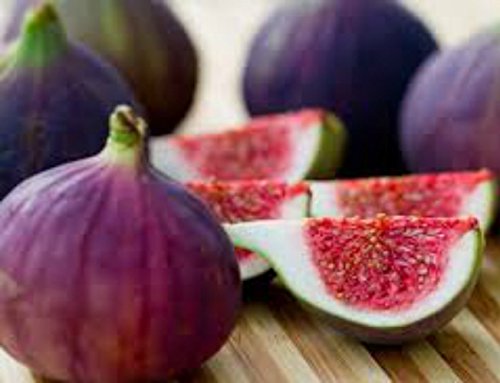
The price includes Four (4) "Violette de Bordeaux" Fig Trees with USPS Shipping. These 2 inch rooted plants shipped in a 2 inch tray pots. The plants are at least 2-5 inches tall.

Funny fig tree gift for gardeners or fig tree orchard growers. This is a great gift for father's day or birthdays. Also great for anyone who has fig tree children
Factors Influencing Fruiting
- Climate: Warmer temperatures often promote quicker fruit development. Figs thrive in zones 6-10, with ideal temperatures ranging from 70°F to 80°F during the growing season.
- Tree Variety: Different fig varieties yield fruit at varying times. Common Figs (Ficus carica) may produce two crops a year, while Smyrna Figs generally produce only one crop after pollination.
- Soil Quality: Well-draining soil with a balanced nutrient profile ensures healthy growth. Regular soil testing helps maintain optimal conditions for fruit production.
- Watering Practices: Consistent watering, especially during dry spells, encourages fruit development. Aim for about 1 inch of water per week to keep the tree healthy.
- Pruning Methods: Proper pruning encourages more fruit by enhancing sunlight exposure and air circulation. Time your pruning just before the spring growth phase to maximize fruiting potential.
Seasonal Variations
Fruiting often follows seasonal patterns influenced by environmental factors.
- Spring Bud Development: In early spring, buds begin to develop, preparing for fruit formation. Expect this process to start around March in warmer climates.
- Summer Ripening: Fruits typically begin to ripen in summer. For most varieties, July and August are peak months for harvesting ripe figs.
- Fall Crop: Some fig varieties may produce a secondary harvest in late summer or early fall, particularly when mild weather persists. Monitor your tree during September for potential additional fruit.
- Overwintering: In colder regions, figs might drop immature fruit in winter. Protecting the tree during frost can help prevent this loss.
By understanding these factors and variations, you can better predict when your fig tree will bear fruit, ensuring you enjoy the sweet rewards of your gardening efforts.
Harvesting Figs
Harvesting figs requires attention to detail. Fig trees produce fruit once they are mature, typically in late summer or early fall. Knowing when and how to pick figs ensures you enjoy the best flavor and texture.
Recommended Products

HERB GARDENING ESSENTIAL: Stainless steel blade plant shears with sheath ideal for harvesting herbs outdoors or with a window herb garden for kitchen; encourages overall lawn and garden health, or perfect gift to go with any indoor herb garden kit

【ANTI-SLIP HANDLE DESIGN】: The two-color anti-slip handle of the fruit pruning shears is ergonomically designed made of high purity PP+TRP secondary injection molding. Garden Pruning Shears handle is comfortable to grip and save energy. Garden shears has strong toughness and strength, which provides a strong grip and toughness for long-term use.

AMBIDEXTROUS DESIGN: Pruner shape is designed for both right and left-handed use while pruning indoor & outdoor plants such as shrubs, ornamental trees, vines, & flowers like roses; SoftGrip handle reduces hand fatigue & enhances comfort and control
Signs of Ripe Figs
Determining when figs are ripe is essential for a successful harvest. Look for these signs:
- Color Change: Figs change color as they ripen. Common figs transition from green to a rich purple or yellow shade, depending on the variety.
- Softness: Ripe figs feel slightly soft to the touch. Gently squeeze a fig; if it yields under pressure, it’s ready for picking.
- Drooping: Figs hang down from the branch when ripening. If fig stems curve downward, it’s a good indication they are ripe.
- Aroma: Ripe figs emit a sweet, fragrant smell. If you can smell the figs from a distance, they’re likely ready.
Best Practices for Harvesting
Harvesting figs correctly preserves their quality. Follow these steps for optimal results:
- Use Clean Tools: Choose clean, sharp garden shears or scissors. Avoid damaging the fruit during harvesting.
- Pick Freshly: Harvest figs early in the day when temperatures are cooler. Figs are less likely to become overly soft and mushy.
- Check Daily: Inspect your fig tree every few days during peak ripening season. Figs can become ripe quickly, so regular checks are vital.
- Handle with Care: Gently twist or cut the stem of the fig to remove it from the tree. Avoid pulling, as this may break the stem or damage the fruit.
- Store Properly: Place harvested figs in a breathable container at room temperature if you’ll eat them soon. For longer storage, refrigerate them in a sealed container for up to a week.
By following these practices and recognizing ripe figs, you’ll gather a bountiful harvest full of delicious flavor.
Common Issues with Fig Trees
Fig trees can face several challenges that affect their growth and fruit production. Understanding these common issues helps you take proactive measures to ensure a healthy harvest.
Recommended Products
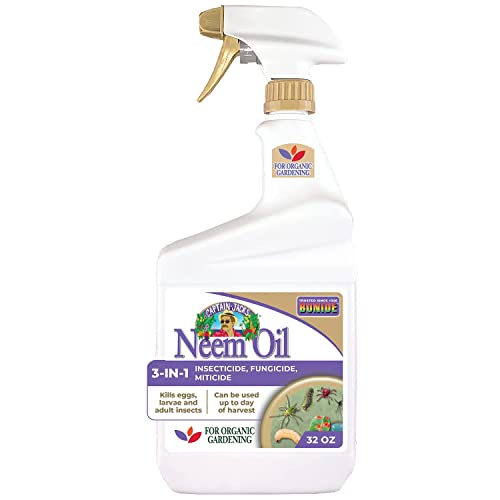
Protect your oasis with 3 garden products in 1 from Captain Jack’s; Bonide Captain Jack’s Ready-to-Use Neem Oil spray for plants is a multi-purpose fungicide, insecticide and miticide for your lawn & garden

PLANT DISEASE CONTROL: Natria Neem Oil acts as an insecticide and fungicide in one convenient spray; Ready-to-use trigger sprayer requires no mixing

FUNGAL DISEASE CONTROL: Prevents and controls black spot on roses, powdery mildew, rust, downy mildew, and other listed fungal diseases when applied on a 7–14 day schedule
Pests and Diseases
Fig trees attract various pests and can suffer from specific diseases.
- Fig Beetles: These insects create holes in fruits, leading to rot. Check your figs regularly. If you find beetles, spray with insecticidal soap.
- Spider Mites: Look for tiny webs on leaves. They weaken trees and cause leaf drop. Spray with neem oil to control them.
- Root Knot Nematodes: These microscopic pests affect roots, stunting growth. Use soil amendments, like organic matter, to promote healthy roots.
- Powdery Mildew: This fungus appears as white spots. Ensure good air circulation and avoid overhead watering to minimize its spread.
Monitoring your fig trees closely helps catch these issues early. Regular inspections will aid in maintaining healthy figs.
Environmental Challenges
Fig trees require specific environmental conditions to thrive.
- Soil Quality: Well-draining soil is crucial. If soil retains too much water, consider planting in raised beds.
- Temperature: Figs thrive in Zones 6-10. If you live in cooler climates, protect trees with burlap during winter.
- Sunlight: Ideally, fig trees need full sun, requiring at least 6 hours of direct sunlight daily. Trim any nearby plants that may cast shade.
- Watering: Overwatering and underwatering can both harm your fig tree. Water deeply but less frequently, ensuring the soil dries out between watering.
By addressing these environmental challenges, you support the overall health and productivity of your fig trees. Regular attention to these factors leads to a successful harvest.
Conclusion
Waiting for your fig tree to bear fruit can feel like a journey filled with excitement and a bit of mystery. With the right care and conditions you’ll soon be rewarded with sweet, delicious figs. Remember to keep an eye on the growth stages and seasonal changes to get the best yield.
As you nurture your fig tree be patient and enjoy the process. Each year brings new opportunities for growth and harvest. By understanding your tree’s needs and being attentive to its care you’ll create a thriving environment for those tasty figs. Happy gardening and may your fig tree flourish!
Frequently Asked Questions
When do fig trees bear fruit?
Fig trees typically start producing fruit in their second or third year. The exact timing can vary depending on factors like climate, tree variety, soil quality, and proper care. Warmer conditions generally lead to quicker fruit development.
What types of fig trees are there?
There are several types of fig trees, including the Common Fig, which yields two crops annually; the Smyrna Fig, which needs pollination and bears one crop; the Capri Fig, which aids pollination but doesn’t produce edible fruit; and the Indian Fig, suited for arid environments.
What are the growth stages of fig trees?
Fig trees go through several growth stages: germination (1-3 weeks), seedling stage (4-6 weeks), juvenile growth (first year’s leaf development), and mature growth (2-3 years to bear fruit). Understanding these stages helps in managing care and anticipating fruiting.
How should fig trees be planted?
It’s best to plant fig trees in spring or early fall in well-draining soil and full sun. Ensure proper spacing for air circulation and water them appropriately to promote healthy growth and fruit production.
What signs indicate ripe figs?
Ripe figs show color changes, softness, drooping stems, and a sweet aroma. Checking these signs helps ensure you harvest them at the peak of flavor and texture for the best taste.
How do I care for fig trees to prevent pests?
To prevent pests like fig beetles and spider mites, maintain proper watering practices, provide adequate sunlight, and ensure good soil drainage. Regularly monitor the trees for early signs of infestation and take action as needed.
What are common issues faced by fig trees?
Common issues include pests, diseases, inadequate sunlight, and poor soil drainage. Addressing these challenges early by ensuring proper care can enhance the health and productivity of fig trees.
How should I store harvested figs?
Store harvested figs in a cool, dry place to maintain freshness. They should ideally be consumed within a few days of picking. For longer storage, consider refrigeration, but this may affect their texture and flavor.
