

Have you ever wondered if it’s okay to prune your fruit trees after they’ve bloomed? You’re not alone. Many gardeners face this dilemma, unsure whether it’ll harm their trees or affect their fruit production.
Picture this: your fruit trees are bursting with blossoms, and you’re eager to shape them for better growth. But you’re also worried about timing. Understanding the right approach to pruning can make all the difference in your garden’s health and productivity.
Key Takeaways
- Prune Before Blooming: The best timing for pruning fruit trees is typically before new buds form in early spring to promote healthy growth and flower production.
- Post-Blooming Pruning Risks: Pruning after blooming can negatively impact fruit set, potentially leading to reduced yields and smaller fruit, due to the energy tree expends on recovery.
- Varietal Considerations: Different fruit tree species, such as apples and peaches, have unique pruning requirements; research the specific needs of your tree variety for optimal results.
- Techniques Matter: Utilize thinning cuts for improved airflow and heading cuts to encourage bushier growth, ensuring proper technique to enhance tree productivity.
- Use Proper Tools: Employ sharp and clean tools like pruning shears, loppers, and saws to minimize damage to trees and promote faster healing.
- Maintain Tree Health: Always assess the condition of your trees before pruning and avoid over-pruning to prevent stress and preserve fruit yield.
Understanding Fruit Tree Pruning
Understanding the right time and method for pruning fruit trees ensures healthy growth and abundant fruit. Here’s what you need to know.
When to Prune
- Early Spring: Pruning typically occurs before new buds form. This time encourages growth and improves air circulation.
- After Blooming: Pruning after blooming affects fruit set. Soft, new growth will respond better if left untouched until after the harvest.
- Specific Varieties: Different species, such as apple and peach, require unique timing. Research your specific fruit tree variety for optimal results.
Benefits of Pruning
- Improved Light Penetration: Pruning opens up the tree, allowing light to reach all branches, which promotes even growth.
- Disease Control: Removing dead or infected branches reduces the chances of disease spreading throughout the tree.
- Enhanced Fruit Quality: Properly pruned trees often produce larger, healthier fruit due to better nutrient and water distribution.
Techniques for Pruning
- Thinning Cuts: Use this technique to remove branches at their base, which encourages upward growth and provides space for air circulation.
- Heading Cuts: Trim back branches to promote dense growth. Focus on areas where branches can sprout new shoots.
- Wound Care: Always use clean, sharp tools to minimize damage and help the tree heal faster.
Tools You’ll Need
- Pruning Shears: Essential for small branches and precise cuts.
- Loppers: Ideal for medium-sized branches.
- Chainsaw: Necessary for larger limbs.
- Tree Paint: Optional for sealing larger cuts to prevent pests and disease.
- Over-Pruning: Trimming too much can stress the tree and reduce fruit yield.
- Bad Timing: Pruning late in the season can remove developing buds and impact harvest.
- Ignoring Tree Health: Always assess the tree’s overall condition before making cuts.
By following these guidelines, you can effectively manage your fruit trees and enhance their productivity. Prioritize the specific needs of your trees to ensure they thrive through careful and timely pruning.
Timing of Pruning
Timing plays a crucial role in ensuring the health and productivity of your fruit trees. Understanding when to prune can significantly impact the outcome of your harvest.
Recommended Products

★ 1. What you get: Professional convenient grafting tool set including a dual-use grafting pruner tool contain 2 extra replaceable blades, a wrench and a screwdriver, along with 36pcs wide rubber bands, 150 thick rubber bands and 1 grafting tape, packed in a black wallet to meet all your needs


Package Includes: Contents 1 Manual gardening grafting cutter and 2 rolls of 2 sizes of grafting tape, meeting your needs.
Importance of Blooming Time
Blooming time marks a critical phase in the life cycle of fruit trees. Pruning before bloom allows you to shape the tree and encourage healthy growth. This practice enhances new bud formation and optimizes sunlight exposure for developing fruits. For example, pruning apple trees in late winter or early spring promotes more robust blossoms. However, if you prune after bloom, you risk removing flowering wood, which reduces fruit set.
Effects of Late Pruning
Late pruning can detrimentally affect fruit production. Cutting back branches after flowering often leads to fewer fruits and smaller yields. Trees focus energy on recovering from pruning rather than developing fruit. For instance, if you prune a peach tree during or after its bloom, you might notice diminished fruit size and quantity. Waiting too long could also expose your tree to pests and diseases, as fresh cuts attract unwanted visitors. To maximize fruit yield, always aim to prune during the dormant season or just before blooming.
Techniques for Pruning After Blooming
Pruning after blooming can enhance the health and productivity of your fruit trees if done correctly. Understanding the types of cuts to make and having the right tools ensures an effective pruning process.
Recommended Products

IDEAL BRANCH TRIMMER: 28" Steel blade garden bypass lopper that glides through up to 1.5" thick branches for easy cuts; Works well for trimming tree branches to maintain your yard and garden, and to encourage overall plant health and appearance
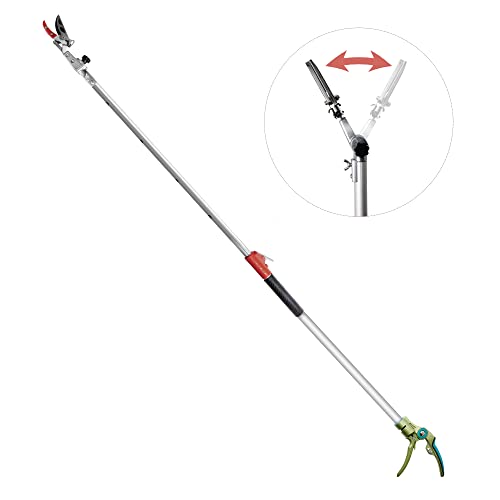
[Helpful Garden Tool] GARTOL brings to you a lightweight and extendable pruning tool to reach out to the least approachable arenas of your garden. You can conveniently get across other plants to remove the fastgrowing brambles and sting nettles without getting scratched or hurt. For gardening lovers, the telescopic pruner cutter head can can be rotated which resolves mobility issues and gives you the pleasure of trimming your garden without bending down or using a ladder to climb and cut them.

[Cut & Hold Pole Pruner for Tree Trimming] This long reach cut and hold pruner makes it easy to grip and remove branches, flowers, or fruit without dropping them. Perfect as a pole fruit picker for harvesting lemons, oranges, apples, or persimmons, and for trimming shrubs and bushes without climbing a ladder.
Types of Cuts
- Thinning Cuts: Focus on removing entire branches or shoots at their point of origin. This method encourages better air circulation and allows sunlight to reach more branches, improving fruit quality.
- Heading Cuts: Trim the tips of branches to promote bushier growth. This technique encourages lateral branching, leading to a denser canopy that can support more fruit buds.
- Suckering Cuts: Remove suckers from the base or in-between the tree’s main branches. These unwanted growths can drain energy from the tree, leading to reduced fruit production.
- Rejuvenation Cuts: Apply drastic pruning to old or overgrown trees. Cut back to several strong, lower branches to encourage new growth. This method is beneficial for restoring vigor and improving fruit yield.
- Pruning Shears: Use bypass pruning shears for clean cuts on small branches. They provide precision and reduce damage to the tree.
- Loppers: Choose bypass loppers for larger branches up to two inches in diameter. Their long handles offer leverage for easier cutting.
- Pruning Saw: Opt for a pruning saw for larger branches and dead wood. A sharp saw ensures a clean cut and minimizes injury to the tree.
- Sterilizing Solution: Keep a solution of bleach or rubbing alcohol handy to disinfect tools between cuts. This practice prevents the spread of diseases.
- Gloves and Safety Glasses: Wear gloves for protection and safety glasses to shield your eyes from debris. Safety is just as crucial as the technique.
By implementing the right pruning techniques and using the appropriate tools, you can effectively manage your fruit trees after blooming. Your trees will benefit from improved light and air circulation, leading to enhanced fruit production.
Benefits of Pruning Post-Blooming
Pruning your fruit trees after blooming offers several advantages that promote healthier growth and better yields. With the right techniques, you can improve the overall vitality of your trees.
Improved Airflow and Sunlight
Pruning enhances airflow within the canopy. Better airflow reduces moisture accumulation, lowering the risk of fungal diseases. When you remove crowded branches, sunlight reaches more leaves. This boost in sunlight exposure supports photosynthesis, leading to stronger trees and more robust fruit.
For example, if your peach tree has dense foliage, thinning it out enhances air circulation. You might notice a decrease in leaf spots and an increase in healthy fruit as a result.
Enhanced Fruit Production
Post-bloom pruning can heighten your tree’s fruit production. By removing less productive branches, your tree reallocates energy to the strongest branches. This leads to larger, tastier fruits. Additionally, thinning out excess growth makes it easier for remaining fruits to receive nutrients.
Consider a scenario where an apple tree has numerous small branches. Removing some of these allows the tree to focus energy on fewer branches, resulting in bigger apples. Monitoring fruit set after pruning can help you gauge the success and adjust future pruning practices for better outcomes.
Risks of Pruning After Blooming
Pruning after blooming presents risks that can impact the health and productivity of fruit trees. Understanding these risks helps you make informed decisions.
Recommended Products

PROFESSIONAL GARDENING GRAFTING TOOLS: Including 2 in 1 grafting pruning tools, 3 replaceable blades, a grafting knife, a screwdriver, a wrench, 2 grafting films, 160 rubber bands, 40 wide rubber bands, and 50 colorful tag cards

1:EXTENDABLE REACH FOR LADDER-FREE SAFETY – Acting as both a reliable tree pruner and a fruit picker pole, this tool effortlessly extends from 3.28 to 5.25 FT to reach high branches up to 10 FT from the ground. The innovative rotating and locking head allows for precise angles without unstable ladders or risky stretching, ensuring maximum safety.

TREE GRAFTING TOOL - Efficiently prepare scion shoots and understock for grafting with our handy garden tool. This standard manual grafting tool can be used to cut stock up to 1/2” in diameter and comes with an excellent illustrated instruction manual.
Potential for Damage
Pruning during or after blooming can cause harm to flowering branches. Removing too many branches may lead to decreased fruit production as trees require energy to develop fruit. Heavy pruning risks cutting off flowering spurs. For instance, a young apple tree might struggle to produce if you prune excessively during this period. Prune carefully to avoid stress on the tree and loss of potential fruit.
Disease and Pest Vulnerability
Post-bloom pruning can expose trees to diseases and pests. Open wounds attract pathogens, increasing the likelihood of infections. For example, fungal spores can infiltrate cuts if pruning occurs when humidity is high. Additionally, weakened trees become more susceptible to pests like aphids and borers. To minimize these risks, always use sterilized tools and consider pruning during dry weather, reducing susceptibility to disease.
Conclusion
Pruning your fruit trees after they bloom can be a balancing act. While it offers benefits like improved airflow and sunlight exposure, it’s essential to approach it with care. By using the right techniques and tools you can enhance your tree’s health and fruit quality.
Just remember to avoid over-pruning and be mindful of the timing to protect your trees from stress and disease. With a little attention and the right methods you can enjoy a thriving fruit garden that yields delicious results. Happy gardening!
Frequently Asked Questions
Can I prune my fruit trees after they bloom?
Pruning fruit trees after they bloom is possible, but it requires caution. While it can enhance air circulation and sunlight exposure, improper timing or excessive cuts may harm fruit production. It’s best to focus on minor adjustments rather than major cuts after blooming.
When is the best time to prune fruit trees?
The ideal time to prune fruit trees is early spring, before new buds form. This timing promotes healthy growth and ensures trees can focus on fruit development. Avoid pruning during the blooming phase to prevent stress and potential loss of fruit.
What are the benefits of pruning fruit trees?
Pruning fruit trees improves light penetration, controls disease, enhances fruit quality, and encourages vigorous growth. Proper pruning techniques help maintain tree shape, allowing for better air circulation and reduced risk of fungal diseases.
What tools do I need for pruning?
Essential tools for pruning include bypass pruning shears, loppers, and pruning saws. A good pair of gloves and safety gear is also recommended. Ensure tools are well maintained and sterilized to prevent disease transmission between trees.
What should I avoid when pruning fruit trees?
Avoid over-pruning and making cuts at the wrong times. Excessive pruning can harm the tree and reduce fruit production. Also, be cautious of leaving open wounds that can attract pests and diseases; always prune during dry weather if possible.
