

Growing nectarine trees in Nevada requires careful attention to desert irrigation and specific care techniques. Proper management of water and nutrients ensures healthy growth and fruit production in this arid climate.
Nectarine Tree Care in Desert Conditions
Nectarine trees thrive in well-drained soil with a pH between 6.0 and 7.0. They require full sunlight for at least six hours daily to produce quality fruit. In Nevada’s desert climate, understanding the specific needs of these trees is crucial for successful cultivation.
Optimal Soil Mix for Nectarine Growth
Selecting the right soil mix is crucial for the successful growth of nectarine trees in Nevada’s challenging desert environment. The appropriate blend not only supports healthy root development but also enhances moisture retention, which is vital for thriving in arid conditions. Understanding the ideal soil composition will set the foundation for robust tree health and fruit production.
The right soil composition significantly impacts the health of nectarines. A sandy loam mix is ideal, as it provides good drainage while retaining some moisture. Here are key soil characteristics to consider:
| Soil Type | Drainage | Nutrient Retention | pH Range |
|---|---|---|---|
| Sandy Loam | Excellent | Moderate | 6.0 – 7.0 |
| Clay | Poor | High | 6.5 – 8.0 |
| Silty | Moderate | Moderate | 6.0 – 7.5 |
Nectarine trees can struggle in heavy clay soils due to poor drainage. If your soil is clay-heavy, consider amending it with organic matter to improve texture.
Drip Irrigation Strategies for Nectarines
Effective drip irrigation is essential for successfully growing nectarines in Nevada’s arid climate. This method not only conserves water but also ensures that the trees receive the precise moisture they need for optimal growth and fruit production. Understanding the best strategies for implementing drip irrigation can significantly enhance the health and yield of your nectarine trees.
Irrigation is vital for nectarines, especially in Nevada’s dry climate. Drip irrigation systems are the most efficient method for delivering water directly to the roots. This minimizes evaporation and ensures deep watering.
Recommended Products
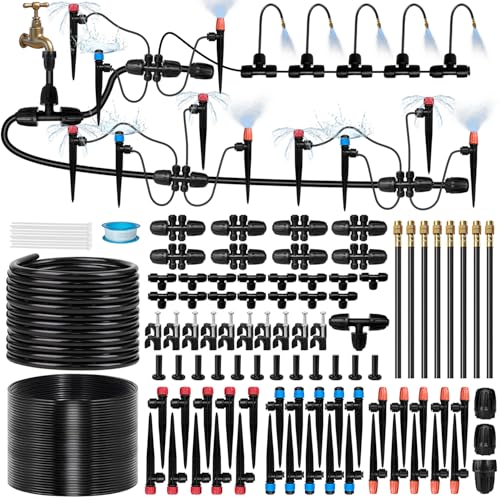
【Upgraded Tube Design & Water Saving】 Our garden watering system is upgraded to 1/2” diameter to support high water pressure. The 1/2” tee connector allows seamless splitting into 2 independent zones for customized watering schedules. By delivering moisture directly to root zones, this drip Irrigation system significantly reduces evaporation and runoff—saving more water compared to conventional sprinklers while eliminating the need for manual watering.

Automatic Drip Irrigation System Kit: The universal connector adapts to different tubing sizes with a secure, leak-free fit; the dual-channel connector splits a single line into two separate watering paths for multi-zone irrigation. The garden bed watering system includes 100FT 1/4" Water Pipe, Cable Ties x 24, Universal Connector x 1, Dual Channel Connector x 1, Quick Tees x 24, Sealing Tape x 1, Fixing Clips x 24, End Plus x 4, and Brass Nozzles x 24. Simply unbox and start building automatic misting system.

NO MORE HARD INSTALLATION - SET UP IN MINUTES. Tired of struggling with stiff barbed fittings? This drip irrigation system features quick-connect fittings that let you push, lock, and secure tubing effortlessly. No tools, no leaks, just a smooth setup experience. Enjoy a frustration-free installation and get your garden watering system running in minutes.
Nectarine Tree Watering Schedule for Nevada
Understanding the watering schedule for nectarine trees in Nevada is crucial for their successful growth in a desert climate. This section outlines the specific irrigation needs based on local conditions, ensuring that your trees receive the right amount of water at the appropriate times to thrive in arid environments. Proper watering practices can significantly enhance fruit yield and tree health.
Nectarine trees require about 1 to 2 inches of water per week during the growing season. Adjust your watering schedule based on rainfall and temperature. Here’s a basic watering guide:
| Season | Frequency | Amount |
|---|---|---|
| Spring | Weekly | 1 inch |
| Summer | Twice weekly | 1 inch |
| Fall | Every two weeks | 1 inch |
Monitor soil moisture levels to prevent overwatering. Use a soil moisture meter for accurate readings.
Nutrient Management for Nectarine Trees
Nutrient management is crucial for the successful growth of nectarine trees in Nevada’s challenging desert environment. Proper fertilization and soil amendments can enhance tree health and fruit quality, ensuring that these trees thrive despite the arid conditions. Understanding the specific nutrient needs of nectarines will help growers optimize their cultivation practices.
Proper fertilization supports strong growth and fruit production. A balanced fertilizer with equal parts nitrogen, phosphorus, and potassium is ideal. Apply fertilizer in early spring before the growing season begins.
Recommended Products

🍋 EXPLOSIVE HARVEST: GardenWise ignites a remarkable yield boost. Its scientific blend, featuring 6% nitrogen for growth, 4% phosphorus for flowering, and 6% potassium for fruit quality, culminates in an abundance of flavorful, aromatic fruits. This is more than growth; it's a nutrient-powered revolution in your citrus yield.

FORMULATED FOR CITRUS AND FRUIT TREES: Use these citrus fertilizer spikes on apple, orange, lemon, lime, and avocado trees; this formula is also great for feeding palm trees

Balanced Organic Nutrition – Supplies a 6‑3‑3 NPK ratio along with calcium, sulfur, iron, and zinc to foster healthy foliage, flowering, and fruit.
Fertilizer Recommendations for Nectarine Trees
When cultivating nectarine trees in Nevada’s arid climate, selecting the right fertilizer is crucial for optimal growth and fruit production. The unique challenges posed by desert conditions necessitate a tailored approach to nutrient management, ensuring these trees receive the essential elements they need to thrive. Understanding the specific fertilizer requirements can significantly enhance the health and yield of your nectarine trees.
Consider these options for fertilizing your nectarines:
| Fertilizer Type | Application Rate | Timing |
|---|---|---|
| Granular Fertilizer | 1 pound per tree | Early Spring |
| Liquid Fertilizer | 1 quart per tree | Mid-Summer |
Avoid over-fertilizing, as this can lead to excessive foliage growth at the expense of fruit production.
Nectarine Pest and Disease Control Methods
Managing pests and diseases is crucial for the health of nectarine trees, especially in Nevada’s challenging desert environment. Effective control methods not only safeguard your trees but also enhance fruit quality and yield. Understanding the specific threats and appropriate responses will ensure a thriving nectarine orchard in arid conditions.
Nectarine trees are susceptible to various pests and diseases. Regular monitoring and preventive measures are essential for maintaining tree health. Key pests include aphids and peach tree borers.
Recommended Products

TRIPLE PROTECTION FORMULA: 3-in-1 solution kills listed insects, controls listed diseases, and controls listed mites with one easy application
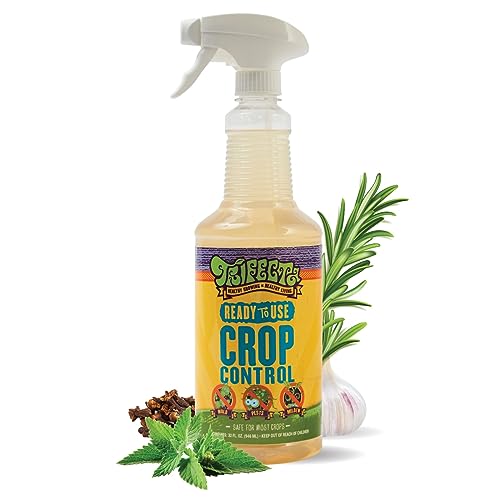
CROP, GARDEN & HOUSEPLANT INSECT CONTROL. Trifecta Crop Control all-natural, plant-based formula effectively combats destructive spider mites, aphids, whiteflies, fungus gnats, and other soft-bodied pests on indoor and outdoor plants. Our biodegradable, eco-friendly solution is safe for use on edible crops, without chemical residues. Our gentle yet potent plant spray suffocates and dehydrates pests without harming beneficial insects or the environment, making it ideal for organic gardening.
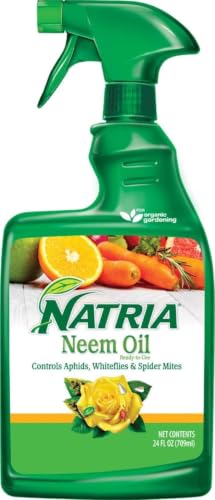
PLANT DISEASE CONTROL: Natria Neem Oil acts as an insecticide and fungicide in one convenient spray; Ready-to-use trigger sprayer requires no mixing
Pest and Disease Management Strategies
Effective pest and disease management is crucial for the successful cultivation of nectarine trees in Nevada’s challenging desert environment. Understanding the specific threats these trees face and employing targeted strategies can help ensure healthy growth and bountiful fruit production. This section explores practical approaches to safeguard your nectarine trees from common pests and diseases.
Implement these strategies to manage pests and diseases:
| Pest/Disease | Control Method | Frequency |
|---|---|---|
| Aphids | Insecticidal soap | As needed |
| Peach Tree Borer | Traps and insecticides | Early season |
Always follow label instructions when applying pesticides and consider organic options to minimize environmental impact.
Nectarine Pruning Strategies for Optimal Health
Pruning is essential for maintaining the health and productivity of nectarine trees, especially in Nevada’s challenging climate. Proper techniques can enhance fruit quality, promote airflow, and encourage robust growth. Understanding the best practices for pruning will help ensure that your nectarine trees thrive in the desert environment.
Pruning is essential for maintaining the shape and health of nectarines. Proper pruning encourages air circulation and sunlight penetration, which are vital for fruit development.
Nectarine Tree Pruning Methods for Nevada
Pruning nectarine trees is essential for maintaining their health and maximizing fruit production, especially in Nevada’s unique desert climate. Understanding the best pruning techniques can help ensure that these trees thrive despite the challenges posed by limited water and intense sunlight. This section explores effective pruning methods tailored to the specific needs of nectarine trees in Nevada.
Follow these guidelines for effective pruning:
| Pruning Type | Timing | Method |
|---|---|---|
| Winter Pruning | Dormant season | Remove dead or crossing branches |
| Summer Pruning | After fruit set | Thin out excess growth |
Avoid heavy pruning, as this can stress the tree and reduce fruit yield.
Identifying Nectarine Stress Indicators
Understanding the signs of stress in nectarine trees is crucial for successful cultivation in Nevada’s challenging desert environment. By recognizing these indicators early, growers can implement timely interventions to ensure the health and productivity of their trees. This section outlines the key stress indicators to watch for, helping you maintain optimal care for your nectarine trees.
Regularly inspect your nectarines for signs of stress, such as wilting leaves or poor fruit development. Addressing issues early can prevent more severe problems later.
Overwatering can lead to root rot, a common issue in poorly drained soils.
Optimal Nectarine Harvest Timing in Nevada
Timing the harvest of nectarines in Nevada is crucial for ensuring the best flavor and quality. Understanding the specific growth patterns and environmental factors unique to the region can help growers determine the optimal window for picking. This section delves into the signs of ripeness and the ideal conditions for harvesting nectarines in the desert climate.
Timing your harvest is crucial for the best flavor and quality. Nectarines are typically ready for harvest when they develop a rich color and yield slightly to pressure.
Nectarine Harvesting Techniques for Nevada
Harvesting nectarines in Nevada requires careful timing and technique to ensure optimal fruit quality in the challenging desert climate. Understanding the signs of ripeness and employing effective picking methods can significantly enhance yield and flavor. This section explores the best practices for harvesting nectarines in this unique environment, helping growers maximize their success.
Use these tips to ensure a successful harvest:
| Indicator | Action |
|---|---|
| Color | Look for vibrant skin color |
| Firmness | Gently squeeze for slight give |
Handle nectarines carefully to avoid bruising. Store harvested fruit in a cool, dry place to extend freshness.
Nectarine Cultivation Tips for Nevada
Cultivating nectarines in Nevada’s arid climate requires careful attention to irrigation and care techniques. This section offers practical tips to help you successfully grow healthy, fruitful trees in a desert environment, covering essential practices from soil preparation to pest management. With the right approach, you can enjoy a bountiful harvest despite the challenges posed by the region’s conditions.
Growing nectarines in Nevada requires attention to irrigation, soil conditions, and pest management. By following these guidelines, you can cultivate healthy trees that produce delicious fruit.
