

Have you ever watched helplessly as birds or pests devour your precious fruit before you get a chance to enjoy it? You’re not alone. Many fruit tree owners face the same frustrating challenge. Protecting your harvest can feel like a losing battle, but it doesn’t have to be that way.
Key Takeaways
- Importance of Netting: Netting fruit trees is crucial for protecting your harvest from birds, pests, and wildlife, ensuring you can enjoy your fruits without significant loss.
- Choosing the Right Net: Select netting made of durable materials like polyethylene or nylon, with a mesh size of 1/4 inch or smaller for effective pest prevention.
- Preparation Steps: Before netting, clean your tree area, inspect branches, and prune excess growth to facilitate a smooth netting process.
- Netting Techniques: Drape the net evenly over the canopy, secure the edges to prevent lifting, and check for gaps regularly to maintain protection against pests.
- Maintenance is Key: Regularly inspect the net for repairs, monitor conditions beneath the net, and adjust it as needed to ensure continued safeguarding of your fruit trees.
Understanding The Importance Of Netting Fruit Trees
Netting fruit trees offers essential protection against birds and pests, ensuring that you can enjoy your hard-earned harvest. This simple measure creates a barrier that minimizes damage and loss.
Protecting Your Harvest
Protecting your harvest from birds, insects, and small animals is crucial for getting the most from your fruit trees. Birds are notorious for feasting on ripe fruit, leaving your trees bare. For example, using bird netting covers your trees and deters birds while allowing sunlight and rain to nourish your fruit. Select netting that’s lightweight and UV-resistant for longevity. Regularly inspect the netting to avoid gaps that pests can exploit.
Preventing Wildlife Damage
Preventing wildlife damage not only protects your fruit but also preserves the overall health of your trees. Squirrels and raccoons can cause significant harm by chewing branches and eating fruit. Consider using tree guards around the trunk to prevent climbing animals from reaching the branches. Additionally, securing your orchard with fencing can keep larger animals away. Lastly, using decoys such as reflective tape or plastic owls can ward off birds and small critters effectively.
Choosing The Right Type Of Net
Selecting the appropriate net for your fruit tree is essential for effective protection. Various options exist, each suited to specific needs.
Material Options
- Polyethylene: Durable and UV-resistant, polyethylene nets last several seasons. They offer excellent protection from birds and larger pests.
- Nylon: Strong and lightweight, nylon nets are fine for gardens with less extreme weather. They may not last as long as polyethylene options but provide good visibility and air circulation.
- Mesh Size: Small mesh sizes prevent even the smallest pests from entering. Choose nets with a mesh size of 1/4 inch or less to ensure maximum safety.
- Net Dimensions: Measure your tree’s canopy to determine the net length and width. Standard sizes often range from 10 to 30 feet. Larger trees may require custom nets.
- Shape Consideration: Select nets with shapes that conform to your tree’s form. Square or rectangular nets fit easily over fruit trees, while pouch-style nets can protect individual branches or fruits.
- Weight: Choose lightweight options. Heavy nets can damage branches or hinder fruit growth. Look for nets that offer balance between protection and ease of handling.
Selecting the right net enhances your harvest’s safety while allowing sunlight and rain to nourish your fruit effectively.
Steps To Net A Fruit Tree
Netting your fruit tree provides effective protection against birds and pests. Follow these steps for successful netting.
Recommended Products

✅【Premium Heavy-Duty Material for Long-Lasting Protection】 VITI Fruit Trees Netting Crafted from reinforced polyethylene with UV-resistant coating, this netting is designed to withstand harsh weather conditions, including sun exposure, rain, and wind, without tearing or degrading over time. Unlike flimsy alternatives, its tear-resistant structure ensures multi-season use, saving you replacement costs.
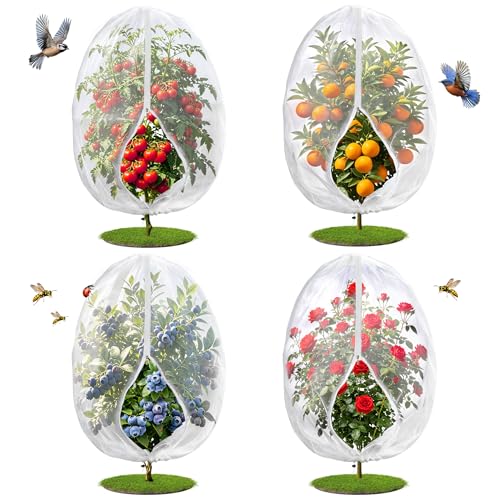
【Product Size】Fruit tree netting comes in four sizes (width * height): 2.7Ft x 3.3Ft, 4Ft x 5Ft, 4.6Ft x 5.9Ft and 10FT x 10FT. The netting can accommodate most fruit trees and you can purchase according to your fruit tree's size. The large size avoids the hassle of splicing multiple nets together and provides comprehensive coverage from the crown to the trunk, making it perfect for planting enthusiasts
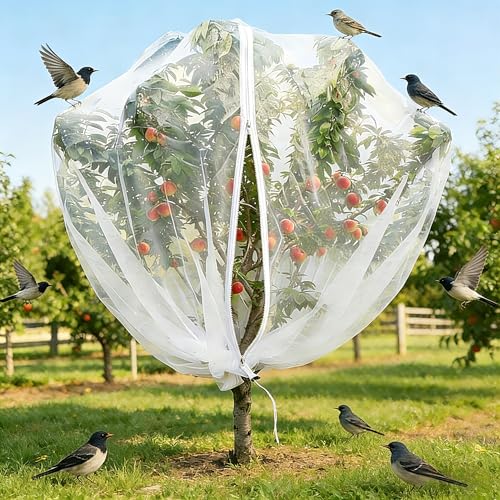
Multiple Sizes to Fit Your Backyard Fruit Trees:We have a variety of practical sizes to choose from, which fits almost all the fruit trees in your backyard—cherry, fig, blueberry, peach, apple, you name it! No need to piece small nets together, one net covers the whole tree from top to bottom, perfect for us home gardeners who hate tedious work.
Preparing The Tree
- Clean Up: Remove fallen fruit, leaves, or debris from around the tree to discourage pests.
- Inspect: Check for any damage or weakness in branches that could affect net support.
- Prune: Trim excess growth to create an easy netting process and maintain tree health.
- Measure: Assess the tree’s height and width to determine the necessary net dimensions.
Netting Techniques
- Select Netting: Choose a lightweight, UV-resistant net with a mesh size of 1/4 inch or less for maximum protection.
- Spread It Out: Lay the net flat on the ground before positioning it over the tree.
- Cover Evenly: Gently drape the net over the tree, ensuring it covers all fruit-bearing branches without constricting growth.
- Shape the Net: Adjust the net to conform to the tree’s shape for better coverage and protection against wildlife.
- Anchor the Edges: Use stakes, garden pins, or fabric ties to secure the net’s edges to the ground, preventing it from lifting.
- Check for Gaps: Inspect the net for any openings through which birds or pests can enter.
- Add Weights: Place rocks or similar objects along the edges of the net to maintain tension and prevent movement in windy conditions.
- Monitor Regularly: Periodically check the net during the growing season for any tears or sagging, repairing as needed to ensure ongoing protection.
Maintenance And Care After Netting
Maintaining your netted fruit tree is essential for preserving your harvest. Regular care ensures protection remains effective while allowing your tree to thrive.
Recommended Products
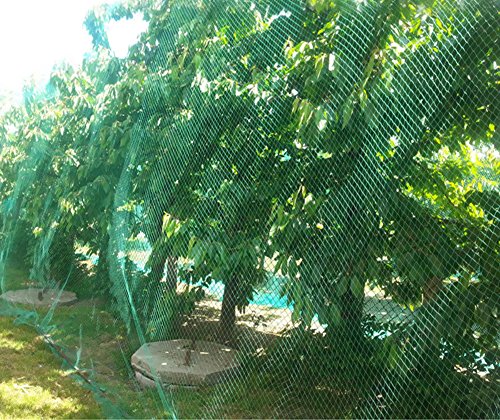
Excellent Material & Quality: Our bird netting is made of strong and durable PE with high stretch, light-weight but not tear easily; It is anti-UV and tough enough to withstand the effects of the sun and bad weather conditions, so you can use the garden netting repeatedly until the end of the season; The size of the poultry netting mesh refers to the measured length straightened from the far left to the far right
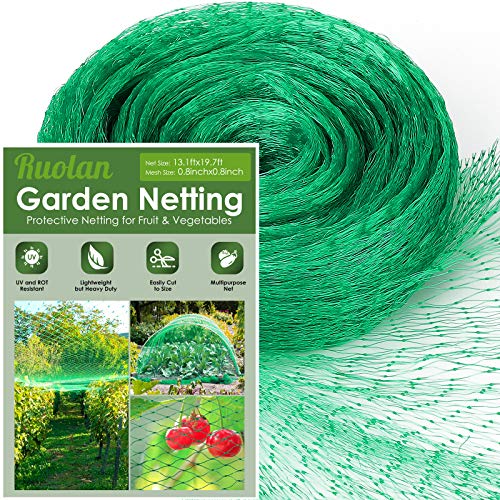
【Perfect size】(Garden Netting size 13ftX20ft, Mesh Size 0.8inchX0.8inch), Protect fruit tree plant blueberry strawberry from animals

Protect Your Vegetables and Fruits: LCHUANG Garden Netting is great for orchards, greenhouses, gardens, nurseries, patios, and shrubs. This Bird Netting with a zipper can protect blueberries, tomatoes, trees, fruits, flowers, vegetables, and potted plants from insects, birds, and bugs, which helps the plants grow normally.
Regular Checks
Regular checks are important to identify any issues early. Inspect the netting weekly for openings or signs of wear. Look for signs of pests or animals trying to access the fruit. Check for sagging areas that could trap moisture or debris, as these may lead to mold or damage. Monitoring temperature and humidity levels underneath the netting helps maintain a healthy environment for the fruit.
Repairing Damage
Repairing damage promptly keeps your netting functional. Use suitable repair materials like duct tape or netting patches to cover small tears. For larger holes, consider replacing the section of netting entirely. Remove any debris that could weigh down the netting or cause harm to the tree. Ensure the netting remains taut but not restricting growth, adjusting it as the tree expands. Regular maintenance prevents additional damage and keeps your fruit safe.
Conclusion
Netting your fruit trees can be a game-changer for protecting your hard-earned harvest. By following the steps outlined and staying on top of maintenance, you can enjoy the fruits of your labor without the worry of pests and birds ruining your efforts.
Remember to choose the right materials and monitor your netting regularly. With a little care and attention, you’ll create a safe environment for your fruit to thrive. So get out there and start netting your trees, and soon enough, you’ll be savoring the delicious results of your work. Happy harvesting!
Frequently Asked Questions
What is the main problem faced by fruit tree owners?
Fruit tree owners often struggle with birds and pests consuming their harvest before they can enjoy the fruit. This issue can lead to feelings of helplessness as these unwanted visitors destroy hard-earned crops.
How can netting help protect fruit trees?
Netting acts as a barrier that protects fruit trees from birds, insects, and small animals. By using lightweight, UV-resistant bird netting, you can allow sunlight and rain to nourish the fruit while minimizing damage and loss.
What material is best for fruit tree netting?
Durable polyethylene and strong nylon are ideal materials for fruit tree netting. It’s essential to choose nets with a mesh size of 1/4 inch or less to keep out even the smallest pests.
How do I measure my tree for netting?
To measure your tree for netting, determine the dimensions of the tree’s canopy. Ensure the netting is large enough to conform to the tree’s shape, allowing for coverage without restricting growth.
What are the steps to net a fruit tree effectively?
Begin by cleaning the tree and inspecting for damage. Then, spread the netting, drape it evenly, shape it to fit, anchor the edges, and check for gaps. Regular monitoring and maintenance are crucial for success.
How can I maintain netting after it’s installed?
Regularly check the netting for damage and ensure it remains taut. Repair any openings promptly and remove debris that could harm the tree. Monitoring temperature and humidity levels is also important to protect the harvest.
What additional measures can deter pests and birds?
In addition to netting, using tree guards, securing your orchard with fencing, and employing decoys like reflective tape or plastic owls can effectively deter unwanted visitors and protect your fruit harvest.
