Close Menu
    Fruit Tree Hub
    • Home
    • Apple Trees
    • Lemon Trees
    • Mango Trees
    • Orange Trees
    • More Trees
      • Best Fruit Trees
      • Apricot Trees
      • Cherry Trees
      • Fig Trees
      • Lime Trees
      • Mulberry Trees
      • Peach Trees
      • Pear Trees
      • Plum Trees
      • Pomegranate Trees
    • Tips and Advice
      • Tools
    • About Us
      • Contact
      • Privacy Policy
    Fruit Tree Hub
    Home»Tips and Advice»How to Net a Fruit Tree: Essential Tips for Protecting Your Harvest from Pests and Birds
    Tips and Advice

    How to Net a Fruit Tree: Essential Tips for Protecting Your Harvest from Pests and Birds

    Martha JacksonBy Martha JacksonDecember 5, 20247 Mins Read
    Share Facebook Twitter Pinterest WhatsApp Email
    Share
    Facebook Twitter LinkedIn Pinterest Telegram Email

    Have you ever watched helplessly as birds or pests devour your precious fruit before you get a chance to enjoy it? You’re not alone. Many fruit tree owners face the same frustrating challenge. Protecting your harvest can feel like a losing battle, but it doesn’t have to be that way.

    Contents show
    1 Key Takeaways
    2 Understanding The Importance Of Netting Fruit Trees
    2.1 Protecting Your Harvest
    2.2 Preventing Wildlife Damage
    3 Choosing The Right Type Of Net
    3.1 Material Options
    4 Steps To Net A Fruit Tree
    4.1 Preparing The Tree
    4.2 Netting Techniques
    5 Maintenance And Care After Netting
    5.1 Regular Checks
    5.2 Repairing Damage
    6 Conclusion
    7 Frequently Asked Questions
    7.1 What is the main problem faced by fruit tree owners?
    7.2 How can netting help protect fruit trees?
    7.3 What material is best for fruit tree netting?
    7.4 How do I measure my tree for netting?
    7.5 What are the steps to net a fruit tree effectively?
    7.6 How can I maintain netting after it’s installed?
    7.7 What additional measures can deter pests and birds?

    Key Takeaways

    • Importance of Netting: Netting fruit trees is crucial for protecting your harvest from birds, pests, and wildlife, ensuring you can enjoy your fruits without significant loss.
    • Choosing the Right Net: Select netting made of durable materials like polyethylene or nylon, with a mesh size of 1/4 inch or smaller for effective pest prevention.
    • Preparation Steps: Before netting, clean your tree area, inspect branches, and prune excess growth to facilitate a smooth netting process.
    • Netting Techniques: Drape the net evenly over the canopy, secure the edges to prevent lifting, and check for gaps regularly to maintain protection against pests.
    • Maintenance is Key: Regularly inspect the net for repairs, monitor conditions beneath the net, and adjust it as needed to ensure continued safeguarding of your fruit trees.

    Understanding The Importance Of Netting Fruit Trees

    Netting fruit trees offers essential protection against birds and pests, ensuring that you can enjoy your hard-earned harvest. This simple measure creates a barrier that minimizes damage and loss.

    Protecting Your Harvest

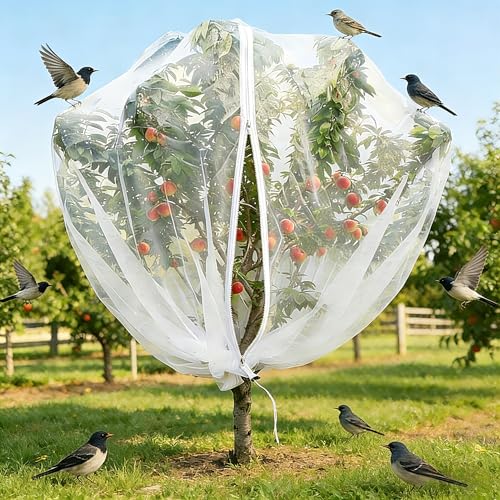
    Protecting your harvest from birds, insects, and small animals is crucial for getting the most from your fruit trees. Birds are notorious for feasting on ripe fruit, leaving your trees bare. For example, using bird netting covers your trees and deters birds while allowing sunlight and rain to nourish your fruit. Select netting that’s lightweight and UV-resistant for longevity. Regularly inspect the netting to avoid gaps that pests can exploit.

    MUST READ
    Is Mulberry Tree Fruit Edible: Discover Its Taste, Benefits, and Culinary Uses

    Preventing Wildlife Damage

    Preventing wildlife damage not only protects your fruit but also preserves the overall health of your trees. Squirrels and raccoons can cause significant harm by chewing branches and eating fruit. Consider using tree guards around the trunk to prevent climbing animals from reaching the branches. Additionally, securing your orchard with fencing can keep larger animals away. Lastly, using decoys such as reflective tape or plastic owls can ward off birds and small critters effectively.

    Choosing The Right Type Of Net

    Selecting the appropriate net for your fruit tree is essential for effective protection. Various options exist, each suited to specific needs.

    Recommended Products

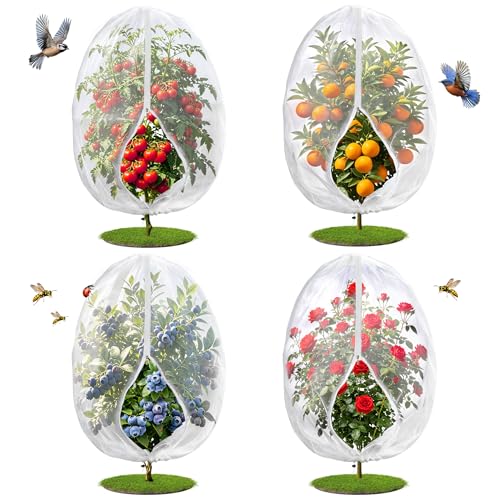
    Fruit Tree Netting with Zipper & Drawstring - 8'x8' Garden Plant Net Pest Barrier to Prevent Cicadas Bird Squirrel Deer - Bug Protection for Blueberry Tomato with Fine Mesh Insect Cover(2 Pack)
    Fruit Tree Netting with Zipper & Drawstring - 8'x8' Garden Plant Net Pest Barrier to Prevent Cicadas Bird Squirrel Deer - Bug Protection for Blueberry Tomato with Fine Mesh Insect Cover(2 Pack)

    Effective Fruit Tree Netting: Premium Garden netting creates a barrier to protect your fruit trees, blueberries, apples, tomatoes, and berries, ensure the health and abundance of your garden; Bugs, Insects, aphids, Cicadas, birds, chickens, and squirrels will stay away from your trees

    VIEW LATEST PRICE

    As an affiliate, we earn on qualifying purchases.

    12'x12' Large Fruit Tree Netting with Zipper - Protects Fruit from Squirrels, Birds & Pests, Heavy-Duty Tree Covers for Fruit Trees (White)
    12'x12' Large Fruit Tree Netting with Zipper - Protects Fruit from Squirrels, Birds & Pests, Heavy-Duty Tree Covers for Fruit Trees (White)

    Mother's Day Gift 【Extra-Large Coverage for Fruit Trees】Our 12x12ft fruit tree netting (unfolds to 60-inch diameter) easily covers large fruit trees, blueberry bushes, and shrubs—providing full protection without tedious adjustments. Perfect for safeguarding your entire harvest from pests.

    VIEW LATEST PRICE

    As an affiliate, we earn on qualifying purchases.

    MUST READ
    What Fruit Trees Grow in Virginia: A Guide to Choosing the Best Varieties for Your Garden
    CandyHome 13Ft x 33Ft Anti Bird Netting Protection Mesh Garden Netting Seedlings Plants Flowers Fruit Trees Vegetables from Rodents Deer Reusable Fencing, Green
    CandyHome 13Ft x 33Ft Anti Bird Netting Protection Mesh Garden Netting Seedlings Plants Flowers Fruit Trees Vegetables from Rodents Deer Reusable Fencing, Green

    Excellent Material & Quality: Our bird netting is made of strong and durable PE with high stretch, light-weight but not tear easily; It is anti-UV and tough enough to withstand the effects of the sun and bad weather conditions, so you can use the garden netting repeatedly until the end of the season; The size of the poultry netting mesh refers to the measured length straightened from the far left to the far right

    VIEW LATEST PRICE

    As an affiliate, we earn on qualifying purchases.

    Material Options

    • Polyethylene: Durable and UV-resistant, polyethylene nets last several seasons. They offer excellent protection from birds and larger pests.
    • Nylon: Strong and lightweight, nylon nets are fine for gardens with less extreme weather. They may not last as long as polyethylene options but provide good visibility and air circulation.
    • Mesh Size: Small mesh sizes prevent even the smallest pests from entering. Choose nets with a mesh size of 1/4 inch or less to ensure maximum safety.
    • Net Dimensions: Measure your tree’s canopy to determine the net length and width. Standard sizes often range from 10 to 30 feet. Larger trees may require custom nets.
    • Shape Consideration: Select nets with shapes that conform to your tree’s form. Square or rectangular nets fit easily over fruit trees, while pouch-style nets can protect individual branches or fruits.
    • Weight: Choose lightweight options. Heavy nets can damage branches or hinder fruit growth. Look for nets that offer balance between protection and ease of handling.

    Selecting the right net enhances your harvest’s safety while allowing sunlight and rain to nourish your fruit effectively.

    Steps To Net A Fruit Tree

    Netting your fruit tree provides effective protection against birds and pests. Follow these steps for successful netting.

    Preparing The Tree

    1. Clean Up: Remove fallen fruit, leaves, or debris from around the tree to discourage pests.
    2. Inspect: Check for any damage or weakness in branches that could affect net support.
    3. Prune: Trim excess growth to create an easy netting process and maintain tree health.
    4. Measure: Assess the tree’s height and width to determine the necessary net dimensions.
    MUST READ
    Why Do Citrus Trees Drop Fruit: Causes and Solutions to Keep Your Citrus Healthy

    Netting Techniques

    1. Select Netting: Choose a lightweight, UV-resistant net with a mesh size of 1/4 inch or less for maximum protection.
    2. Spread It Out: Lay the net flat on the ground before positioning it over the tree.
    3. Cover Evenly: Gently drape the net over the tree, ensuring it covers all fruit-bearing branches without constricting growth.
    4. Shape the Net: Adjust the net to conform to the tree’s shape for better coverage and protection against wildlife.
    1. Anchor the Edges: Use stakes, garden pins, or fabric ties to secure the net’s edges to the ground, preventing it from lifting.
    2. Check for Gaps: Inspect the net for any openings through which birds or pests can enter.
    3. Add Weights: Place rocks or similar objects along the edges of the net to maintain tension and prevent movement in windy conditions.
    4. Monitor Regularly: Periodically check the net during the growing season for any tears or sagging, repairing as needed to ensure ongoing protection.

    Maintenance And Care After Netting

    Maintaining your netted fruit tree is essential for preserving your harvest. Regular care ensures protection remains effective while allowing your tree to thrive.

    Recommended Products

    Feitore Deer Fence Netting, 7 x 100 Feet Anti Bird Deer Protection Net Reusable Protective Garden Netting for Plants Fruit Trees Vegetables Against Birds and Other Animals
    Feitore Deer Fence Netting, 7 x 100 Feet Anti Bird Deer Protection Net Reusable Protective Garden Netting for Plants Fruit Trees Vegetables Against Birds and Other Animals

    Size: Deer netting size 7 feet x 100 feet; garden netting mesh size 3/4"; color: black; Easy to use accessories included: 10pcs installation nails & 50pcs cable ties

    VIEW LATEST PRICE

    As an affiliate, we earn on qualifying purchases.

    Bird Netting for Garden Protection - 4 Pack Garden Netting Pest Barrier with Drawstring,3.3Ft x 2.7Ft Mosquito Net Tomato Protective Cover Garden Plant Netting for Cicadas Vegetables Blueberry Bushes
    Bird Netting for Garden Protection - 4 Pack Garden Netting Pest Barrier with Drawstring,3.3Ft x 2.7Ft Mosquito Net Tomato Protective Cover Garden Plant Netting for Cicadas Vegetables Blueberry Bushes

    Protect Your Vegetables and Fruits: LCHUANG Garden Netting is great for orchards, greenhouses, gardens, nurseries, patios, and shrubs. This Bird Netting with a zipper can protect blueberries, tomatoes, trees, fruits, flowers, vegetables, and potted plants from insects, birds, and bugs, which helps the plants grow normally.

    MUST READ
    How to Grow Fruit Trees from Cuttings YouTube: Best Tips and Techniques for Success
    VIEW LATEST PRICE

    As an affiliate, we earn on qualifying purchases.

    2PCS Large Fruit Tree Netting with Drawstring and Zipper, 8 * 8FT Garden Netting for Garden Protection, Insect Bird Netting for Fruit Trees, Protection from Anti Birds, Bugs,Cicadas, Insects
    2PCS Large Fruit Tree Netting with Drawstring and Zipper, 8 * 8FT Garden Netting for Garden Protection, Insect Bird Netting for Fruit Trees, Protection from Anti Birds, Bugs,Cicadas, Insects

    Garden Netting Bags For Garden Protection: You will receive 2pcs garden netting, size 8*8ft, perfect for various plants such as fruit trees, blueberry shrubs, large potted plants, flowers, etc. The large fruit tree netting bags effectively prevents insects and small animals such as cicadas, beetles, rabbits, birds from damaging your plants, ensuring safe growth and obtaining more harvest

    VIEW LATEST PRICE

    As an affiliate, we earn on qualifying purchases.

    Regular Checks

    Regular checks are important to identify any issues early. Inspect the netting weekly for openings or signs of wear. Look for signs of pests or animals trying to access the fruit. Check for sagging areas that could trap moisture or debris, as these may lead to mold or damage. Monitoring temperature and humidity levels underneath the netting helps maintain a healthy environment for the fruit.

    Repairing Damage

    Repairing damage promptly keeps your netting functional. Use suitable repair materials like duct tape or netting patches to cover small tears. For larger holes, consider replacing the section of netting entirely. Remove any debris that could weigh down the netting or cause harm to the tree. Ensure the netting remains taut but not restricting growth, adjusting it as the tree expands. Regular maintenance prevents additional damage and keeps your fruit safe.

    Conclusion

    Netting your fruit trees can be a game-changer for protecting your hard-earned harvest. By following the steps outlined and staying on top of maintenance, you can enjoy the fruits of your labor without the worry of pests and birds ruining your efforts.

    Remember to choose the right materials and monitor your netting regularly. With a little care and attention, you’ll create a safe environment for your fruit to thrive. So get out there and start netting your trees, and soon enough, you’ll be savoring the delicious results of your work. Happy harvesting!

    MUST READ
    Can You Plant Fruit Trees Near Oleanders: Tips for Safe and Successful Gardening

    Frequently Asked Questions

    What is the main problem faced by fruit tree owners?

    Fruit tree owners often struggle with birds and pests consuming their harvest before they can enjoy the fruit. This issue can lead to feelings of helplessness as these unwanted visitors destroy hard-earned crops.

    How can netting help protect fruit trees?

    Netting acts as a barrier that protects fruit trees from birds, insects, and small animals. By using lightweight, UV-resistant bird netting, you can allow sunlight and rain to nourish the fruit while minimizing damage and loss.

    What material is best for fruit tree netting?

    Durable polyethylene and strong nylon are ideal materials for fruit tree netting. It’s essential to choose nets with a mesh size of 1/4 inch or less to keep out even the smallest pests.

    How do I measure my tree for netting?

    To measure your tree for netting, determine the dimensions of the tree’s canopy. Ensure the netting is large enough to conform to the tree’s shape, allowing for coverage without restricting growth.

    What are the steps to net a fruit tree effectively?

    Begin by cleaning the tree and inspecting for damage. Then, spread the netting, drape it evenly, shape it to fit, anchor the edges, and check for gaps. Regular monitoring and maintenance are crucial for success.

    How can I maintain netting after it’s installed?

    Regularly check the netting for damage and ensure it remains taut. Repair any openings promptly and remove debris that could harm the tree. Monitoring temperature and humidity levels is also important to protect the harvest.

    What additional measures can deter pests and birds?

    In addition to netting, using tree guards, securing your orchard with fencing, and employing decoys like reflective tape or plastic owls can effectively deter unwanted visitors and protect your fruit harvest.

    Share. Facebook Twitter Pinterest LinkedIn Tumblr Email
    martha jackson
    Martha Jackson

      Martha Jackson is an accomplished freelance writer and editor with a strong interest in gardening. With a degree in English from the University of California, Berkeley, Martha has over 15 years of experience writing for a variety of publications. She is passionate about making gardening accessible to all and is always seeking out new techniques and innovations.

      Related Posts

      How Long Until Avocado Trees Bear Fruit and Tips for Faster Growth at Home

      February 20, 2025

      What Yellow Fruit Grows on Trees and Their Delicious Health Benefits

      February 20, 2025

      How to Air Layer Fruit Trees: A Step-by-Step Guide for Successful Propagation

      February 20, 2025

      When Do Grapefruit Trees Produce Fruit and How to Maximize Your Harvest

      February 20, 2025

      What Is a Fast Growing Fruit Tree: Discover Quick-Yield Options for Your Garden

      February 20, 2025

      Do Cherry Blossom Trees Have Fruit? Discover the Truth About Their Edibility and Benefits

      February 20, 2025
      Leave A Reply Cancel Reply

      Affiliate Disclosure

      As an Amazon Associate I earn from qualifying purchases.

      Recommended Reading

      What Is a Cordon Fruit Tree and How to Start Growing Your Own at Home

      What Fruit Trees Can Grow in Chicago to Maximize Your Home Garden’s Harvest

      Are Dude Pruners Safe? Expert Tips for Safe and Efficient Gardening Practices

      Growing Tangerine Trees in Colorado: High Altitude Success Tips

      What Fruit Trees Can Grow in Zone 5a: Top Choices for a Thriving Backyard Orchard

      Where to Buy Oro Blanco Grapefruit Tree: Your Ultimate Guide to Sourcing this Citrus Tree

      Is Coconut a Tree or a Fruit – Uncovering the Truth Behind This Tropical Wonder

      Can Apple Trees Grow in Boise, ID? (High Desert Success)

      How to Fan Train a Fruit Tree for Maximum Yield and Health Benefits

      What Month to Plant Fruit Trees: Timing Tips for a Successful Harvest

      Fruit Tree Hub

      Fruit Tree Hub is a website dedicated to providing you everything you need to grow fruit trees successfully at in your own yard.

      Contact us at: [email protected]

      - AFFILIATE DISCLOSURE: As an Amazon Associate I earn from qualifying purchases.

      Latest Posts

      Pomegranate Trees in a Pot in Idaho (Year-Round Care Walkthrough)

      Growing Olive Trees in Virginia: Piedmont Regional Advice

      How to Grow Guava Trees in Detroit, MI: Urban Garden Secrets

      Growing Papaya Trees in Missouri: Expert Advice for Gardeners

      Can Lime Trees Grow in Laredo, TX? South Texas Growth Tips

      Can Walnut Trees Grow in Florida? Subtropical Success Secrets

      How to Grow Loquat Trees in Phoenix, AZ: Desert Heat Secrets

      Mango Trees in Connecticut (New England Cold-Hardiness Secrets)

      Categories
      • Almond Trees
      • Apple Trees
      • Apricot Trees
      • Best Fruit Trees
      • Blackberry
      • Cantaloupe
      • Cherry Trees
      • Crochet Ideas
      • Crochet Ideas for Beginners
      • Cucamelon
      • Easy Crochet Ideas
      • Easy Knitting Projects
      • Fig Trees
      • Grapefruit Trees
      • Grapes
      • Guava Trees
      • Honeydew
      • Jujube Trees
      • Kiwi
      • Knitting For Beginners
      • Knitting Ideas
      • Knitting Inspiration
      • Lemon Trees
      • Lime Trees
      • Loquat Trees
      • Mango Trees
      • Mulberry Trees
      • Nectarine Trees
      • Olive Trees
      • Orange Trees
      • Papaya Trees
      • Peach Trees
      • Pear Trees
      • Persimmon Trees
      • Planting
      • Plum Trees
      • Pomegranate Trees
      • Quince Trees
      • Raspberry
      • Reviews
      • Small Crochet Ideas
      • Star Fruit Trees
      • Summer Crochet Ideas
      • Tamarind Trees
      • Tangerine Trees
      • Tips and Advice
      • Tools
      • Uncategorized
      • Walnut Trees
      © 2026 Fruit Tree Hub
      • Home
      • About Us
      • Contact
      • Privacy Policy
      • Terms and Conditions
      • Disclaimer
      • Editorial Policy
      • Affiliate Disclosure

      Type above and press Enter to search. Press Esc to cancel.