

Have you ever wished you could grow fruit trees in a small space? If you’re short on yard room but still want to enjoy homegrown apples or pears, espalier might be the perfect solution for you. This technique not only saves space but also adds a beautiful, structured look to your garden.
In this article, you’ll discover how to train your fruit trees into stunning, flat shapes against walls or fences. You’ll learn the best varieties to choose and the simple steps to get started. By the end, you’ll be ready to transform your garden into a productive and attractive space, all while enjoying the fruits of your labor.
Key Takeaways
- Space Efficiency: Espalier fruit trees allow you to grow fruits in limited areas by training them flat against walls or fences, perfect for small gardens and urban settings.
- Aesthetic Appeal: This technique enhances the visual structure of your garden, transforming plain walls into attractive living art with neatly arranged fruit trees.
- Variety Selection: Choose suitable varieties like apples, pears, cherries, and figs that adapt well to espalier training for successful growth and fruit production.
- Step-by-Step Process: Start by selecting a sunny location, preparing support structures, and training branches to grow horizontally for an effective espalier setup.
- Maintenance Practices: Regular watering, fertilization, pruning, and pest management are crucial for keeping your espalier trees healthy and productive throughout their lifecycle.
Understanding Espalier Fruit Trees
Espalier fruit trees provide a practical way to grow fruits in limited space. This technique cultivates trees into flat shapes against walls or fences, making it easier to manage and aesthetically pleasing.
Benefits of Espalier
Espalier offers multiple benefits, including:
- Space-saving: Fit fruit trees in smaller gardens or urban areas.
- Sunlight exposure: Improve light access on both sides of the tree.
- Air circulation: Enhance airflow, reducing disease risk.
- Easier harvesting: Position fruit within easy reach.
Best Varieties for Espalier
Certain fruit tree varieties adapt well to espalier training. Recommended options include:
- Apple Trees: Hardy and diverse, perfect for multiple growing conditions.
- Pear Trees: Similar to apples, these trees complement the technique nicely.
- Cherry Trees: Varieties like ‘Stella’ work well and produce delicious fruit.
- Fig Trees: Thrives in warmer climates, adding unique flavor.
Basic Steps to Create an Espalier
Follow these steps to start your espalier journey:
- Choose a Location: Select a sunny spot near a wall or fence.
- Select Your Variety: Opt for a suitable fruit tree variety.
- Prepare Support Structures: Use wires, trellis, or stakes for training.
- Plant the Tree: Dig a hole and place the tree, ensuring proper depth.
- Begin Training: Secure branches to the support, aiming for horizontal growth.
- Prune Regularly: Trim to maintain shape and encourage fruit production.
Tools and Materials Needed
Gather these essential tools before beginning:
- Pruning Shears: For shaping and maintaining your tree.
- Trellis or Wire: To provide the necessary support for growth.
- Garden Twines: To secure branches gently without damage.
- Measuring Tape: For precise spacing and layout.
Addressing Common Questions
You might wonder about spacing between trees. Aim for 3 to 4 feet apart for healthy growth. If you’re unsure about the best time to prune, late winter or early spring promises excellent results before new growth begins.
Espalier fruit trees turn ordinary spaces into productive and beautiful gardens. Enjoy the fruits of your labor with this rewarding gardening technique.
Benefits of Espalier Fruit Trees
Espalier fruit trees offer several advantages that enhance both your gardening experience and the productivity of your plants.
Space Saving
Espalier techniques optimize limited space. By growing fruit trees flat against walls or fences, you free up valuable ground area for other plants or landscaping elements. This method suits small gardens or urban backyards where every square foot counts. For instance, a single apple tree trained to grow along a 12-foot fence takes up minimal ground space while providing a bountiful harvest. The compact growth habit allows you to plant herbs or flowers nearby, maximizing your garden’s potential.
Aesthetic Appeal
Espalier fruit trees create a striking visual impact. The structured shape of trained branches delivers both form and function. You transform bland walls or fences into vibrant, living artwork with neatly arranged fruit trees. For example, a row of pear trees forming a fan shape can draw attention and add elegance to your outdoor area. This attractive appearance not only beautifies your garden but also complements landscaping themes, making your space inviting and charming.
Choosing the Right Fruit Trees
Selecting suitable fruit trees is crucial for successful espalier. A few key aspects should guide your choice, including variety, climate, and growth habits.
Suitable Varieties
Opt for fruit trees known for their training capabilities and compatibility with espalier techniques. Recommended varieties include:
- Apple: Varieties like ‘Espalier Fuji’ and ‘Espalier Honeycrisp’ are excellent choices for their hardiness and fruit quality.
- Pear: Look for ‘Bartlett’ or ‘Bosc’, which adapt well to training and produce flavorful fruit.
- Cherry: Choose ‘Stella’ or ‘Lapins’ for their ability to thrive in espalier systems and offer sweet, juicy cherries.
- Fig: ‘Brown Turkey’ and ‘Kadota’ are great options, yielding delicious fruit while being adaptable to training.
Selecting from these varieties provides a high chance of success when growing espalier fruit trees.
Climate Considerations
Understand your local climate before choosing fruit trees. Each variety has specific temperature and humidity requirements.
- Cold Climates: In areas with harsh winters, select cold-hardy varieties like ‘Honeycrisp’ apples or ‘Bosc’ pears to ensure survival during freezes.
- Warm Climates: For warmer regions, consider ‘Brown Turkey’ figs or ‘Stella’ cherries, which flourish in higher temperatures.
- Humidity Levels: Most fruit trees prefer moderate humidity. If your area has high humidity, ensure proper air circulation, which improves fruit quality and reduces disease risks.
Determining the best fruit trees for your climate ensures healthy, productive plants.
Steps to Espalier Fruit Trees
Espalier fruit trees require careful planning and execution. Follow these steps for a successful espalier project.
Recommended Products

Package Contents - 30 crosshead hubs(for 5/64'' or 2mm cable), 150ft x 5/64" wire rope, 30 plastic expansion anchors, 30pcs washers, 120 PVC end caps, a small bundle of plant ties, 1 masonry drill bit, 1 Allen key, 1 all-purpose spanner, 1 instruction manual, trellis system calculator included. We offer a lifetime after-sales guarantee


【ERSATILE MOUNTING】: Designed for wall mounting on concrete, stucco, brick, masonry, siding, facade panels, or wood/vinyl fences. (Hollow walls require specialized expansion anchors). Ideal for outdoor climbing plants such as star jasmine, clematis, climbing roses, bougainvillea, grapevines, passion fruit, espalier fruit trees, and more
Planning Your Layout
- Choose the location: Look for a wall or fence that gets full sun for at least six hours daily.
- Plan the design: Sketch the desired shape. Common patterns include the vertical or horizontal format. Ensure branches will not obstruct pathways.
- Determine spacing: Space trees about 12 to 18 inches apart, depending on the variety and growth habit.
Selecting the Right Support
- Identify support structures: Use trellises, wires, or wooden frames. Ensure they’re sturdy and can handle the weight of growing trees.
- Install horizontal wires: If using wires, set them 12 to 18 inches apart, starting from the ground level. Use heavy-duty eye bolts for maximum support.
- Choose materials wisely: Opt for weather-resistant materials like galvanized steel or stainless steel to prevent rust.
- Understand seasonal timing: Prune in late winter or early spring before new growth begins. Avoid pruning during the fall to prevent cold damage.
- Train branches: Gently tie new growth to the support structure as it emerges. Use soft ties to prevent damage.
- Make strategic cuts: Focus on removing outward-growing shoots and dead branches. This encourages inward growth towards the support and improves air circulation.
Following these steps can help you create a well-structured espalier fruit tree that thrives in your garden.
Maintenance Tips for Espalier Trees
Maintaining espalier trees is essential for their health and productivity. Following these tips ensures your trees thrive in their unique form.
Recommended Products
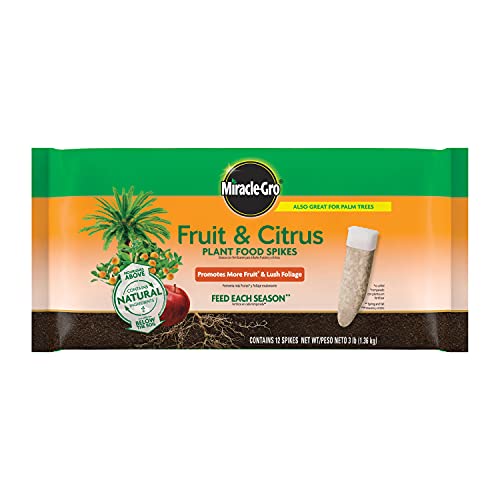
FORMULATED FOR CITRUS AND FRUIT TREES: Use these citrus fertilizer spikes on apple, orange, lemon, lime, and avocado trees; this formula is also great for feeding palm trees

FOR USE ON: Use Tree-tone organic fertilizer for all shade, fruit and ornamental trees including apple and peach trees

CITRUS PLANT FOOD: This avacado, mango and citrus fruit tree fertilizer feeds plants for up to 3 months and nourishes above and below the soil
Watering and Fertilization
Watering needs vary throughout the year. During the growing season, ensure the trees receive about 1 inch of water per week. In dry spells, increase watering frequency. Use a mulch layer to help retain moisture and reduce weeds.
Fertilizing should occur in early spring as new growth begins. A balanced fertilizer with an N-P-K ratio of 10-10-10 is ideal. Apply 1-2 pounds per 100 square feet of growing area. Adjust the amount based on tree size, using less for young trees.
Pest and Disease Management
Regular inspections promote early detection of pests. Look underneath leaves and along branches for common pests such as aphids and spider mites. Neem oil or insecticidal soap can manage minor infestations.
Fungal diseases can affect espalier trees. Ensure good air circulation by maintaining branch spacing. Apply fungicides during early spring and again after fruit set if needed. Clean up fallen leaves and debris to minimize disease risk.
With these maintenance tips, your espalier trees will remain healthy, productive, and aesthetically pleasing, making your garden an enjoyable space.
Conclusion
Espalier fruit trees can truly transform your garden into a beautiful and productive space. With a little planning and care you can enjoy fresh fruit while maximizing your limited yard space.
By choosing the right varieties and following the training and pruning steps you’ll not only create stunning visuals but also enhance the health of your trees. Remember to keep an eye on watering and pest management to ensure your trees thrive.
So grab your tools and get started on your espalier journey. You’ll be amazed at how much joy and satisfaction these lovely trees can bring to your home. Happy gardening!
Frequently Asked Questions
What is espalier gardening?
Espalier gardening is a technique that involves training fruit trees to grow flat against walls or fences. This method is ideal for small spaces, allowing for attractive and space-saving tree growth while providing easier access for harvesting fruit.
What are the benefits of espalier?
Espalier offers several benefits, including maximizing limited yard space, improving sunlight exposure, enhancing air circulation, and making harvesting easier. Additionally, it transforms bland structures into visually appealing, living art, complementing overall landscaping.
What types of fruit trees are good for espalier?
Recommended fruit tree varieties for espalier include ‘Espalier Fuji’ and ‘Espalier Honeycrisp’ apples, ‘Bartlett’ and ‘Bosc’ pears, ‘Stella’ and ‘Lapins’ cherries, and ‘Brown Turkey’ and ‘Kadota’ figs. Choose varieties based on your climate and growth habit needs.
How should I prepare the site for espalier?
Begin by selecting a sunny location with good drainage. Consider the spacing between trees and ensure you have sturdy support structures such as trellises or wires. Prepare the soil by amending it with organic material to enhance fertility.
When is the best time to prune espalier trees?
The best time to prune espalier trees is in late winter or early spring before new growth begins. This timing helps maintain shape, encourages healthy growth, and allows for proper training of branches.
What tools do I need for espalier?
Essential tools for espalier include pruning shears, soft ties for training branches, a support structure (like trellises or wires), a shovel for planting, and gloves for protection. These tools will aid in properly training and maintaining your trees.
How often should I water espalier trees?
Espalier trees need about 1 inch of water per week during the growing season. Consistent watering ensures healthy growth, particularly during dry spells; adjusting frequency is crucial based on rainfall and soil moisture levels.
How do I manage pests and diseases in espalier trees?
Regular inspections for pests and diseases are vital. Maintain good air circulation around the trees, and promptly remove any affected leaves. Using organic pest control methods can help manage common issues without harmful chemicals.
Can I grow other plants with espalier trees?
Yes, planting herbs or flowers nearby is encouraged. Espalier trees can be trained to conserve space, allowing you to maximize your garden while enjoying a variety of plants that can thrive together.
Is espalier suitable for all climates?
Espalier can be adapted to various climates, but it’s essential to choose the right fruit tree varieties for your region. Select cold-hardy varieties for colder climates and heat-tolerant ones for warmer areas to ensure successful growth.
