

Have you ever wondered why some fruit trees thrive while others seem to struggle? You’re not alone. Many gardeners face the frustrating challenge of figuring out which trees can coexist peacefully in their yards. Planting the wrong combinations can lead to poor growth and even disease.
Key Takeaways
- Companion Planting Importance: Understanding which fruit trees grow well together is crucial for enhancing yields and maintaining garden health.
- Avoid Crowding: Planting trees with similar nutrient needs or root structures can lead to competition, which may hinder growth; for instance, avoid pairing apple and pear trees.
- Pest and Disease Awareness: Certain tree combinations increase the risk of pests and diseases, such as planting peach and apricot trees together, which are both susceptible to brown rot.
- Soil and Water Needs: Different fruit trees have unique soil and water requirements; mismatched needs can lead to poor growth conditions and health issues.
- Optimal Spacing: Maintain proper spacing between trees to ensure adequate sunlight and air circulation, which is critical for overall tree health.
- Diversity Benefits: Incorporating a variety of fruit tree species helps minimize pest infestations and disease outbreaks while promoting a resilient and thriving orchard.
Understanding Companion Planting
Companion planting involves strategically selecting plant pairings to enhance growth, deter pests, and improve overall garden health. Knowing which fruit trees work well together can boost your yields and simplify maintenance.
Benefits of Companion Planting
- Pest Control: Some trees deter harmful insects. For instance, planting apple trees alongside garlic can repel aphids.
- Disease Prevention: Certain trees can hinder disease spread. For example, plum trees may help keep fungal infections away from nearby cherry trees.
- Nutrient Sharing: Trees with different root depths can share nutrients effectively. Peach trees grow shallow while persimmon trees have deeper roots, maximizing nutrient uptake.
- Improved Pollination: Mixed plantings can attract more pollinators, which benefits all trees. Consider planting diverse flowering plants near your fruit trees.
- Microclimate Creation: Companion trees can create a more favorable microclimate, offering shade and wind protection. This is beneficial for younger trees or more sensitive species.
- Competition for Resources: Planting trees with similar root structures can lead to competition, reducing overall health. Avoid crowding apple and pear trees as both require similar nutrients.
- Pest Attraction: Some tree pairings can invite pests. For example, planting stone fruits close together can increase the risk of fruit fly infestations.
- Disease Transmission: Certain trees are susceptible to the same diseases. For instance, avoid planting apricot trees near plum trees due to shared vulnerability to brown rot.
- Disruption of Growth: Incompatible trees can stunt each other’s growth. Keep citrus trees away from other fruit trees that prefer cooler conditions.
- Allelopathy: Some trees release toxins that can inhibit the growth of others. Black walnut trees are notorious for affecting the growth of many other plants.
Understanding companion planting and its impacts helps you create a harmonious and productive fruit tree garden.
Common Fruit Tree Pairings to Avoid
Certain fruit tree combinations lead to competition for resources, increased disease risk, or pest attraction. Understanding these pairings helps maintain a healthy garden.
Recommended Products


Apple and Cherry Trees
Apple trees and cherry trees aren’t ideal companions. Apple trees host certain pests, like aphids, which can spread to cherry trees, causing significant damage. Additionally, both trees require similar nutrients, leading to resource competition that can stifle their growth. To maintain a thriving garden, plant either species separate from each other.
Peach and Apricot Trees
Peach trees and apricot trees encounter similar issues when planted together. Both belong to the same family and are susceptible to the same diseases, including brown rot. Planting them close increases the chance of disease transmission. It’s best to space these trees apart, allowing for better airflow and reducing the risk of spreading infections.
Citrus Trees with Other Fruiting Trees
Citrus trees struggle in mixed company, especially with stone fruit trees. Citrus plants need different soil pH and moisture levels compared to stone fruits, leading to nutrient and water competition. Furthermore, citrus trees attract pests like aphids, which can affect nearby fruiting trees. Consider planting citrus separately to ensure each tree thrives without interference.
Factors Influencing Tree Compatibility
Understanding the factors influencing tree compatibility helps you make better planting decisions. Certain conditions can enhance or hinder fruit tree growth when trees are planted too closely together.
Recommended Products
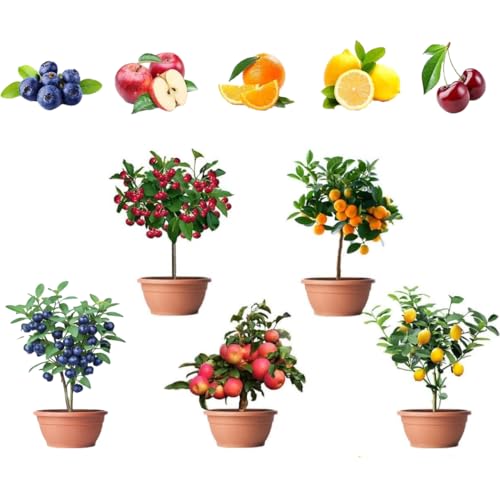
Variety Pack of 5 Fruits: Includes 40 Lemon seeds, 40 Orange seeds, 40 Apple seeds, 20 Cherry seeds, and 20 Blueberry seeds for a colorful and diverse home garden

Zones: 5 to 7 Germination Range: 50-70%

Product Quantity: 180+ premium bonsai fruit seeds across 5 varieties; Individual packs contain 40+ apple, 40+ lemon, 40+ orange, 20+ blueberry, and 40+ cherry seeds; Perfect for starting a diverse miniature orchard
Soil Requirements
Soil type and quality play a vital role in the health of fruit trees. Different trees have unique soil preferences, affecting their ability to absorb nutrients and water. For example, apple trees thrive in well-drained loamy soil, while citrus trees prefer sandy soil rich in organic matter. Avoid planting these trees near each other to prevent competition for essential nutrients and to ensure they both flourish.
Water Needs
Each fruit tree species has specific water requirements. Some trees, like peaches, prefer consistently moist soil, while others, such as figs, prefer drier conditions. If you plant trees with differing water needs close together, one may suffer from inadequate or excessive moisture. For instance, pairing a water-hungry cherry tree with a drought-tolerant quince tree leads to stress on both species. Assess the water needs of your fruit trees before planting to ensure optimal growing conditions.
Pest and Disease Resistance
Different fruit trees have varying levels of resistance to pests and diseases. For instance, apples and cherries share similar pests, like aphids and spider mites, making it risky to plant them nearby. Similarly, planting trees vulnerable to the same diseases, such as peach and apricot, can facilitate disease transmission. Research the pest and disease profiles of each fruit tree species and avoid planting susceptible trees together. This prevents outbreaks and helps maintain a healthier garden overall.
Tips for Planting Fruit Trees
Selecting the right fruit trees with proper spacing and diversity enhances growth and health. Here are some strategies to ensure your orchard thrives.
Recommended Products

Package: 5 Individual Packs, 40+ Lemon Tree Seeds 40+ Cherry Tree Seeds 40+ Orange Tree Seeds 40+ Apple Seeds 20+ Blueberry Seeds

4 kinds of the most popular fruits, individually packaged, 50pcs Lemon seeds 50pcs Cherry seeds 50pcs Orange seeds 50pcs Apple seeds Fresh seeds, all fruit seeds are packed in tear and moisture resistant zipper sealed bags for your long term storage.

Ideal Spacing Techniques
Maintain adequate spacing between trees for optimal sunlight and air circulation. Here are effective spacing guidelines:
- Dwarf Varieties: Space these trees 6 to 8 feet apart. They grow smaller and need less room.
- Standard Trees: Space these trees 10 to 15 feet apart. They require more space for their larger canopies.
- Pollinator Trees: If planting pollinators, keep them within 20 feet of main fruit trees for effective cross-pollination.
Evaluate your specific variety requirements and adjust spacing based on tree height and spread. This prevents overcrowding and competition for nutrients.
Diversifying Your Orchard
Planting a variety of fruit trees prevents disease and pest outbreaks. Here’s how to diversify effectively:
- Select Different Families: Choose trees from different fruit families. For example, combine apples, pears, and peaches.
- Consider Bloom Times: Pair trees with staggered bloom periods to attract different pollinators throughout the season.
- Companion Planting: Incorporate compatible plants, like marigolds, which repel pests and enhance growth for nearby trees.
Diversity minimizes risks and fosters a healthy ecosystem, making your orchard more resilient. Use these strategies to create a productive and vibrant fruit tree garden.
Conclusion
Choosing the right fruit trees to plant together can make all the difference in your garden’s success. By understanding the compatibility of different species you can avoid common pitfalls that lead to poor growth and disease.
Remember to consider factors like soil preferences water needs and pest resistance when planning your orchard. Spacing your trees properly and diversifying your selections will not only enhance their health but also create a thriving ecosystem.
With a little research and careful planning you’ll be well on your way to enjoying a bountiful harvest from your fruit trees. Happy gardening!
Frequently Asked Questions
What is companion planting for fruit trees?
Companion planting involves selecting certain plants to grow together to enhance growth, deter pests, and improve overall garden health. For fruit trees, this means pairing compatible species that benefit from each other, ensuring they thrive together.
Why is it important to choose the right fruit tree combinations?
Choosing the right combinations is crucial to avoid poor growth and disease. Certain pairs can compete for nutrients or attract common pests, leading to unhealthy trees and reduced fruit yield.
Which fruit tree combinations should I avoid?
Avoid pairing apple and cherry trees due to shared pests, and keep peach and apricot trees apart to prevent disease transmission. Citrus trees should not be planted with stone fruits due to differing moisture needs.
How do soil requirements affect fruit tree compatibility?
Different fruit trees have unique soil preferences. For example, apple trees prefer loamy soil, whereas citrus trees thrive in sandy, organic-rich soil. Planting trees with varying soil needs can hinder their growth.
What are the spacing recommendations for planting fruit trees?
Proper spacing is vital for growth. Dwarf varieties should be spaced 6 to 8 feet apart, standard trees 10 to 15 feet, and pollinator trees can be planted within 20 feet to ensure effective cross-pollination.
How can I enhance my fruit tree garden’s health?
Incorporate diversity by selecting trees from different fruit families and stagger bloom times to attract various pollinators. Also, consider companion plants like marigolds to help repel pests. These strategies build a resilient ecosystem.
