

Have you ever wondered how those juicy, sweet cantaloupes make their way to your table? Picture this: you’re at the grocery store, eyeing a pile of fresh cantaloupes, and you start pondering about their journey from seed to fruit. Understanding how cantaloupes grow can not only satisfy your curiosity but also give you a newfound appreciation for nature’s wonders.
Key Takeaways
- Cantaloupes go through a life cycle involving seed germination, vine growth, flowering, fruit development, and harvesting.
- Ideal growing conditions for cantaloupes include warm temperatures, well-drained soil, proper spacing, and consistent watering.
- Essential steps for growing cantaloupes involve preparing the soil, planting correctly, managing pests and diseases proactively.
- Harvest ripe cantaloupes by checking for easy detachment from the vine and skin color changes; store them properly to maintain freshness.
Understanding Cantaloupe Cultivation
When it comes to understanding cantaloupe cultivation, it’s essential to grasp the life cycle of this delicious fruit and the ideal growing conditions required for a successful harvest. Let’s delve into these key aspects:
The Life Cycle of Cantaloupe
Cantaloupes go through a fascinating life cycle that involves several stages from seed to fruit. Here’s a simplified breakdown:
- Seed Germination: Cantaloupe seeds need warm soil to germinate successfully, usually between 70-95°F (21-35°C). Once planted, they sprout within 5-8 days.
- Seedling Stage: During this phase, the young cantaloupe plants develop their first set of true leaves and require consistent watering to establish strong roots.
- Vine Growth: As the plant grows, it produces tendrils that help it climb and anchor itself. Regular pruning may be necessary to encourage fruit growth.
- Flowering: Cantaloupe plants produce both male and female flowers. Bees play a crucial role in pollinating these flowers for fruit development.
- Fruit Development: After successful pollination, the fertilized female flowers grow into melons over several weeks until they reach maturity.
- Harvesting: Cantaloupes are typically ready for harvest around 35-45 days after flowering when they develop a sweet aroma and slip easily from the vine.
Ideal Growing Conditions for Cantaloupe
To ensure your cantaloupes thrive, here are some optimal growing conditions you should aim for:
- Warmth: Cantaloupes thrive in warm climates with plenty of sun exposure. They require temperatures between 70-90°F (21-32°C) during the day.
- Well-Drained Soil: Plant your cantaloupes in well-drained soil rich in organic matter to prevent waterlogging, which can lead to root rot.
- Spacing: Provide ample space between plants—around 36 inches apart—to allow for proper airflow and prevent diseases like powdery mildew.
- Watering Schedule: Keep the soil consistently moist but not waterlogged throughout the growing season, especially during flowering and fruit development stages.
Essential Steps to Growing Cantaloupe
To successfully grow cantaloupes, follow these essential steps:
Recommended Products

Kit converts a pop-up sprinkler spray head into a water-saving Drip emitter system
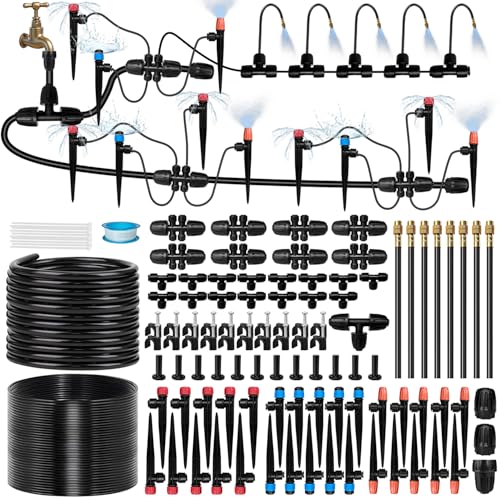
【Upgraded Tube Design & Water Saving】 Our garden watering system is upgraded to 1/2” diameter to support high water pressure. The 1/2” tee connector allows seamless splitting into 2 independent zones for customized watering schedules. By delivering moisture directly to root zones, this drip Irrigation system significantly reduces evaporation and runoff—saving more water compared to conventional sprinklers while eliminating the need for manual watering.

NO MORE HARD INSTALLATION - SET UP IN MINUTES. Tired of struggling with stiff barbed fittings? This drip irrigation system features quick-connect fittings that let you push, lock, and secure tubing effortlessly. No tools, no leaks, just a smooth setup experience. Enjoy a frustration-free installation and get your garden watering system running in minutes.
Preparing the Soil
Ensure your soil is well-draining and rich in nutrients. Mix in compost or aged manure before planting to provide a fertile environment for your cantaloupe plants. Aim for a soil pH level between 6.0 and 6.8, as cantaloupes thrive in slightly acidic conditions.
Planting and Watering Techniques
Plant cantaloupe seeds or seedlings after the last frost date when the soil has warmed up. Space the plants about 2-3 feet apart in rows that are 4-6 feet apart to allow for proper vine growth. Water consistently, ensuring the soil remains moist but not waterlogged. Consider using drip irrigation to deliver water directly to the roots and avoid wetting the foliage.
Managing Pests and Diseases
Keep an eye out for common pests like aphids, cucumber beetles, and spider mites that can damage cantaloupe plants. Use organic pest control methods such as neem oil spray or insecticidal soap to deter pests without harming beneficial insects. Prevent diseases like powdery mildew by watering at the base of plants early in the day to allow foliage to dry out quickly.
By following these key steps in preparing the soil, planting correctly, and managing potential issues proactively, you can increase your chances of a successful cantaloupe harvest.
Harvesting and Storing Cantaloupe
When to Harvest Cantaloupe
Harvest cantaloupes when they are fully ripe for the best flavor. A ripe cantaloupe will easily detach from the vine with a gentle twist. Additionally, check the skin color near the stem – it should change from green to beige or yellow, indicating ripeness. Remember that cantaloupes do not ripen further once picked, so timing is crucial for optimal sweetness.
Tips for Storing Cantaloupe Properly
To store cantaloupes correctly, keep them at room temperature until fully ripe. Once ripe, refrigerate them in a ventilated container to maintain freshness. It’s essential not to wash the melon before storing it as moisture can promote spoilage. Cut cantaloupe should be tightly wrapped and refrigerated but consumed within a few days for the best taste and quality.
By following these harvesting and storage tips, you can enjoy delicious and fresh cantaloupes at their peak flavor.
Recommended Products

Unload With Ease: This harvesting bag lets you unhook the drawstring to release the reinforced bottom, unloading apples, citrus, or veggies quickly—no bending. Prevents bruising and saves time during harvest

50 Pcs high quality material watermelon net bags with 17.7" length(Hold 7-22 lbs weight). The fruit mesh bag can be used to pack most fruits,vegetables and Seafood.

【2025 FRUIT PICKING INNOVATION SET】You will get 1 piece and 1 piece fruit picking tool (7 parts of the extension pole, telescopic fruit picker with fabric bag) and 1 piece tool storage bag for easy storage when the apple tree picker is not in use. The wonderful combination not only improves the efficiency of picking fruits but also makes it more convenient and safe. Picking fruits from trees can be placed in an apron to avoid many bent overs, and most importantly, avoid climbing ladders
Benefits of Growing Cantaloupe
Cantaloupes are not only a delicious summer treat but also offer various benefits when you grow them in your garden. Here’s why cultivating cantaloupes can be advantageous:
Nutritional Advantages
Growing your own cantaloupes allows you to enjoy the nutritional benefits of this fruit at its peak freshness. Cantaloupes are rich in essential nutrients like vitamin C, vitamin A, potassium, and dietary fiber. By harvesting ripe cantaloupes directly from your garden, you ensure that you consume them when they are most nutrient-dense, offering you a healthy and flavorful snack option.
Environmental Impact
When you grow cantaloupes in your garden, you contribute to reducing the environmental impact associated with commercial farming practices. By avoiding pesticides and opting for organic pest control methods, you help protect beneficial insects and promote biodiversity in your local ecosystem. Additionally, cultivating cantaloupes at home reduces the carbon footprint related to transportation and storage of store-bought produce, making it a more sustainable choice for both your health and the environment.
Conclusion
Growing cantaloupes can be a rewarding experience, from planting the seeds to enjoying the juicy, flavorful fruits. By following the essential steps outlined in this guide, you can cultivate your own supply of nutrient-rich cantaloupes in your backyard. From proper soil preparation to organic pest control methods, each stage plays a vital role in ensuring a successful harvest. Not only do homegrown cantaloupes offer superior taste and freshness compared to store-bought ones, but they also contribute to environmental sustainability by reducing reliance on commercially farmed produce. With the right care and attention, you’ll soon be savoring the sweet rewards of your labor as you bite into a delicious slice of homegrown cantaloupe. Happy gardening!
Frequently Asked Questions
Q: What is the importance of proper drainage when cultivating cantaloupes?
A: Proper drainage is crucial for cantaloupes to prevent waterlogging, which can lead to root rot and plant diseases.
Q: Why is nutrient-rich soil essential for growing healthy cantaloupes?
A: Nutrient-rich soil ensures that cantaloupes receive essential minerals for robust growth and optimal fruit production.
Q: When should I plant cantaloupe seeds after the last frost date?
A: Plant cantaloupe seeds outdoors after the last frost date in your region to avoid potential damage from cold temperatures.
Q: How important is spacing for vine growth when planting cantaloupes?
A: Adequate spacing between cantaloupe plants allows room for vine expansion, promoting healthier plants and higher fruit yields.
Q: Why is consistent watering necessary for successful cantaloupe cultivation?
A: Consistent watering helps maintain optimal soil moisture levels critical for healthy plant growth and fruit development.
Q: What are organic pest control methods suitable for protecting cantaloupe plants?
A: Organic pest control methods like neem oil or insecticidal soap help manage pests without harmful chemicals, preserving plant health.
Q: What are the benefits of growing your own cantaloupes at home?
A: Growing your own cantaloupes provides fresh, nutritious fruits while supporting biodiversity and sustainability by reducing reliance on store-bought produce.
