

Ever wondered if you can plant blackberries near raspberries in your garden? Picture this: you’re envisioning a lush backyard filled with juicy berries, but you’re unsure about the compatibility of these two popular fruits. What if I told you that planting blackberries near raspberries could be the key to maximizing your harvest and creating a vibrant berry patch right in your own yard?
Key Takeaways
- Understanding the compatibility between blackberries and raspberries is crucial for creating a harmonious garden setting.
- Factors such as cross-pollination, disease susceptibility, spacing requirements, and pruning techniques influence the success of planting these berries together.
- Planting blackberries near raspberries can lead to benefits like enhanced pollination rates, increased fruit production, and efficient space utilization in your garden.
- Potential challenges include disease management, pest control, and addressing specific nutritional needs for optimal growth of both berry varieties.
- Best practices for co-planting include maintaining proper spacing, providing adequate sunlight and soil quality, promoting cross-pollination, using support structures, regular pruning, appropriate watering techniques, mulching for moisture retention, and balanced fertilization.
Understanding Berry Plant Compatibility
When considering planting blackberries near raspberries, it’s essential to understand the compatibility between different berry plants. By grasping the basics of these fruits and the factors influencing their growth, you can create a harmonious garden setting for optimal yield.
The Basics of Blackberries and Raspberries
Blackberries and raspberries belong to the same plant family, Rosaceae. While they have similar growing requirements such as full sun and well-drained soil, they differ in their growth habits. Blackberry canes are biennial, meaning they bear fruit on second-year wood, while raspberry canes are perennial, producing fruit on first-year canes.
Factors Affecting Plant Compatibility
Several factors influence the compatibility of blackberries and raspberries when planted together:
- Cross-Pollination: Both blackberries and raspberries benefit from cross-pollination with other varieties of the same fruit. Planting them in proximity can enhance pollination rates and improve berry production.
- Disease Susceptibility: Blackberries and raspberries are susceptible to certain diseases like anthracnose and cane blight. Growing them together may increase the risk of disease spread if proper care practices aren’t followed.
- Spacing Requirements: Maintaining adequate spacing between blackberry and raspberry plants is crucial to prevent overcrowding, ensure good air circulation, and minimize competition for nutrients.
- Pruning Techniques: Each berry plant requires specific pruning techniques for optimal growth and fruit production. Understanding how to prune blackberry canes versus raspberry canes is vital when planting them side by side.
By considering these key factors, you can make informed decisions about planting blackberries near raspberries in your garden for a fruitful harvest season ahead.
Benefits of Planting Blackberries Near Raspberries
When it comes to planting blackberries near raspberries, you can enjoy several benefits that enhance the growth and productivity of your berry patch. Understanding these advantages will help you optimize your garden space effectively.
Pollination and Growth Benefits
By planting blackberries near raspberries, you encourage cross-pollination between the two plants. This natural process enhances fruit production in both varieties, leading to a more abundant harvest for you to enjoy. The proximity of these berries allows bees and other pollinators to transfer pollen between the flowers, resulting in better yields for your garden.
Space Utilization
Planting blackberries alongside raspberries optimizes space utilization in your garden. These berries have similar growth requirements and can thrive in close proximity to each other without competing for resources. By strategically planning their placement, you make efficient use of available space while creating a visually appealing berry patch that maximizes productivity.
By considering the pollination benefits and space utilization advantages of planting blackberries near raspberries, you can create a symbiotic growing environment that boosts fruit production and enhances the overall health of your berry plants.
Potential Challenges
When planting blackberries near raspberries, you may encounter some challenges that could impact the success of your berry patch. Here are key factors to consider:
Recommended Products

Sweet & Nutritious Berries:The berries have a sweet taste, rich in various vitamins, minerals such as calcium, iron and zinc, as well as amino acids and essential dietary fiber. They are suitable for fresh eating or making jams and desserts, meeting the needs of a healthy diet.

Seed Raspberry Fruit Seeds for Planting Outdoor-Non-GMO Heirloom Sweet Rare Red Raspberry Fruit Plant in Your Home Garden

Disease and Pest Management
Blackberries and raspberries are susceptible to similar diseases and pests due to their genetic closeness. When planted in close proximity, these plants can potentially facilitate the spread of infections between them. To mitigate this risk, ensure proper spacing between blackberry and raspberry bushes to promote air circulation and reduce the likelihood of disease transmission.
Regularly inspect your plants for signs of common issues such as powdery mildew, cane blight, or spider mites. Implementing a proactive approach by using organic fungicides or pesticides when necessary can help safeguard your berry plants from harmful pathogens and pests.
Nutritional and Soil Requirements
Both blackberries and raspberries have specific nutritional needs that must be met for optimal growth and fruit production. Planting them together in the same soil may deplete certain nutrients more rapidly than if they were grown separately. To address this challenge, consider rotating crops or applying balanced fertilizers to replenish essential nutrients in the soil.
Additionally, blackberries prefer slightly acidic soil with good drainage, while raspberries thrive in well-draining soil with a pH level around 6.0-6.5. It’s crucial to conduct regular soil tests to monitor nutrient levels and pH balance, ensuring that both types of berries receive adequate nutrition for healthy development.
By being mindful of disease management practices and addressing nutritional requirements effectively, you can overcome potential challenges associated with planting blackberries near raspberries while maximizing the benefits of cultivating these delicious berries together in your garden.
Best Practices for Co-Planting
When considering planting blackberries near raspberries, it’s essential to follow some best practices to ensure a successful berry patch. Here are some key tips to help you co-plant these berries effectively:
Recommended Products
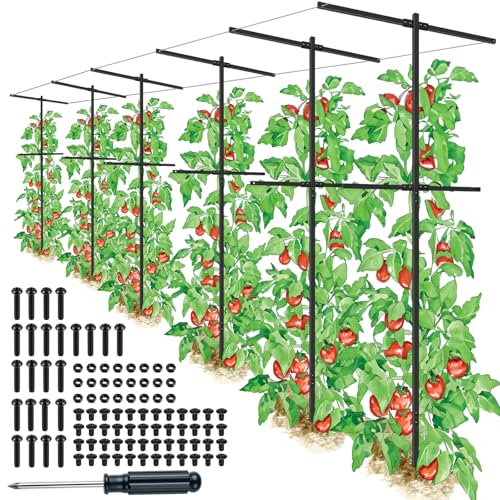
Plant-Friendly Coating & Weather-Ready Durability: Our metal raspberry trellis for climbing plants outdoor features a protective plastic coating. The robust metal core is UV-resistant, rust-proof, and weatherproof, ensuring these tall trellises for raspberries withstand seasons of outdoor use without corrosion

Plant-Friendly Coating & Weather-Ready Durability: Our metal raspberry trellis for climbing plants outdoor features a protective plastic coating. The robust metal core is UV-resistant, rust-proof, and weatherproof, ensuring these tall trellises for raspberries withstand seasons of outdoor use without corrosion

4pack Fiberglass Material Raspberry Cross Stake System with Adjustable Cross-bars, Height Adjustable
Suitable Planting Techniques
- Spacing: Ensure an adequate distance of at least 2-3 feet between blackberries and raspberries to prevent overcrowding and facilitate proper growth.
- Sunlight: Place the berry plants in an area that receives full sunlight for optimal fruit production and overall plant health.
- Soil Quality: Opt for well-draining soil rich in organic matter to support the growth of both blackberries and raspberries.
- Cross-Pollination: Take advantage of the proximity of these berries for cross-pollination, which can enhance fruit yield and quality.
- Support Structures: Consider installing trellises or supports for both blackberries and raspberries to promote upright growth and ease of harvest.
- Pruning: Regularly prune both blackberry and raspberry plants to remove dead or diseased canes, promoting airflow and reducing the risk of pest infestations.
- Watering: Provide consistent moisture but avoid waterlogging the soil, as both berries prefer well-drained conditions to thrive.
- Mulching: Apply mulch around the base of the plants to retain moisture, suppress weeds, and maintain even soil temperatures.
- Fertilization: Use a balanced fertilizer according to soil test recommendations to ensure adequate nutrient levels for healthy plant development.
By following these best practices in co-planting blackberries near raspberries, you can create a harmonious berry patch that maximizes yield while minimizing potential challenges associated with growing these fruits together in your garden.
Conclusion
You now have the essential knowledge to successfully plant blackberries near raspberries in your garden. By understanding the growth habits, cross-pollination factors, and care requirements of these berries, you can create a flourishing berry patch that yields abundant fruits. Implementing proper planting techniques, including spacing, sunlight exposure, soil quality maintenance, support structures for growth, and regular pruning and watering schedules will help you optimize the growth of both blackberries and raspberries. Remember to pay attention to mulching and fertilization to ensure your berry patch remains healthy and productive. With these insights in mind, you’re ready to embark on a rewarding journey of cultivating a bountiful harvest of delicious berries in your own backyard. Happy gardening!
Frequently Asked Questions
Can I plant blackberries and raspberries together in my garden?
Yes, planting blackberries near raspberries can be beneficial. They can share resources and support each other’s growth.
Do blackberries and raspberries need cross-pollination to produce fruit?
No, both blackberries and raspberries are self-pollinating, so they don’t require cross-pollination to bear fruit.
How should I space out my blackberry and raspberry plants?
Ensure at least 3 feet between individual plants and 6-8 feet between rows for optimal growth and airflow.
What are the best pruning techniques for blackberry and raspberry plants?
Prune dead or diseased canes in late winter or early spring to promote new growth and improve overall plant health.
