

Pomegranate trees can thrive in California’s climate, particularly in the warmer regions. With proper care and attention to soil conditions, these trees can produce abundant fruit. Understanding the specific requirements for planting and maintaining pomegranate trees is essential for successful cultivation.
California Pomegranate Tree Varieties for Optimal Growth
California’s diverse climate offers a unique opportunity for cultivating pomegranate trees, which thrive in warm, dry conditions. Understanding the specific varieties that flourish in this region can significantly enhance your gardening success. This section explores the best pomegranate tree varieties suited for California’s environment, ensuring optimal growth and fruit production.
Different pomegranate tree varieties suit various climates and soil types. Choosing the right type is crucial for optimal growth. The most common varieties include:
Wonderful: This is the most popular variety, known for its large, sweet fruit. It thrives in hot, dry climates.
Angel Red: This variety produces large, juicy fruits and is more tolerant of cooler temperatures.
Parfianka: Known for its sweet and tangy flavor, this variety is highly sought after for culinary uses.
Selecting the right variety can significantly impact fruit yield and quality.
Preparing Soil for Pomegranate Trees in California
To successfully grow pomegranate trees in California, proper soil preparation is essential. This section outlines the specific soil requirements and amendments needed to create an optimal growing environment, ensuring that your pomegranate trees thrive in the state’s diverse climate and soil conditions. Understanding these foundational steps will set the stage for a fruitful harvest.
Preparing the planting site is vital for the health of your pomegranate trees. These trees prefer well-drained soil with a pH between 5.5 and 7.0. Follow these steps to prepare the site:
Choose a sunny location. Pomegranate trees require at least 6-8 hours of direct sunlight daily.
Test the soil. Use a soil testing kit to determine pH and nutrient levels.
Amend the soil. If necessary, add organic matter such as compost to improve drainage and nutrient content.
Proper site preparation sets the foundation for healthy growth.
California Pomegranate Tree Planting Tips
California’s climate offers a unique opportunity for growing pomegranate trees, known for their vibrant fruit and ornamental appeal. This section provides essential tips for successfully planting and nurturing these trees in California, ensuring they thrive in the state’s diverse environments. Whether you’re a novice gardener or a seasoned horticulturist, these guidelines will help you cultivate healthy pomegranate trees.
Planting pomegranate trees requires careful attention to timing and technique. The best time to plant is in early spring after the last frost. Follow these steps for successful planting:
Dig a hole. Make it twice as wide and as deep as the root ball.
Place the tree. Position the tree in the center of the hole, ensuring that the graft union is above soil level.
Backfill with soil. Gently pack the soil around the roots to eliminate air pockets.
Water thoroughly. Provide a deep watering immediately after planting.
Proper planting techniques promote strong root development.
Recommended Products

🌱 Pomegranate trees can produce high volumes of fruits. This is a fun tree to have with beautiful flower blossoms and fragrances. Tree can be trimmed to your desire. Punica Granatum COLOR: Red Fruit
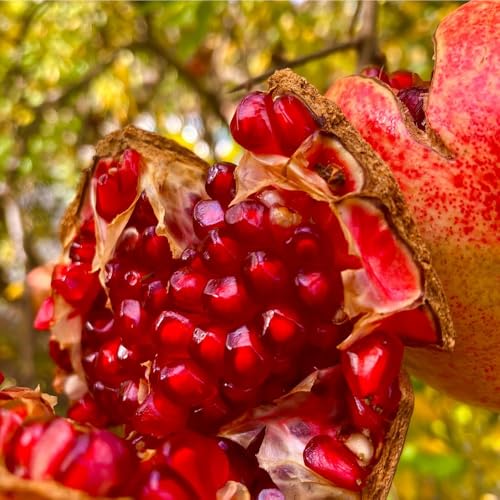
Product Quantity: 35+ organic pomegranate seeds per packet; Premium selection for optimal viability; Perfect for starting multiple trees to ensure successful germination

Fragrant Flowers: Bloom blossoms that provide precious nectar for pollinators like bees, creating your own romantic orchard with heavy fruit and rich flavor
Pomegranate Tree Watering and Fertilizing Guidelines
Proper watering and fertilizing are essential for the healthy growth of pomegranate trees in California’s diverse climate. Understanding the specific needs of these trees will help ensure robust fruit production and overall vitality. This section outlines effective practices for maintaining optimal moisture levels and nutrient balance throughout the growing season.
Pomegranate trees require specific watering and fertilizing practices to thrive. Overwatering can lead to root rot, while under-watering can stress the tree. Consider the following guidelines:
Watering frequency: Water deeply once a week during dry spells. Reduce frequency during the rainy season.
Fertilization schedule: Use a balanced fertilizer in early spring and again in mid-summer. Follow package instructions for application rates.
Monitoring moisture levels and nutrient availability is essential for healthy growth.
Recommended Products

Let our professionally formulated plant food help your fruit tree grow healthy, strong AND abundantly producing

🍎 Boosts Budding & Heavy Fruiting – Encourages more flowers, better fruit set, and abundant harvests with bigger, healthier pomegranates.
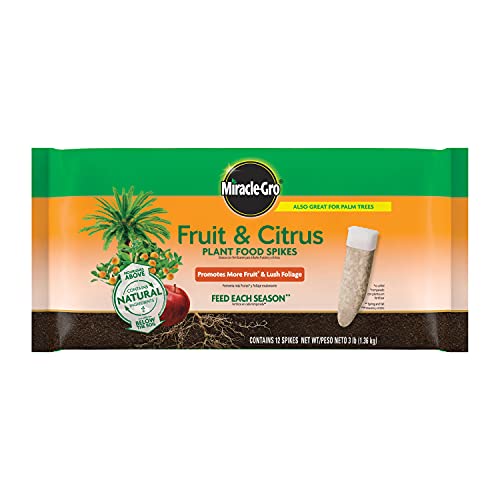
FORMULATED FOR CITRUS AND FRUIT TREES: Use these citrus fertilizer spikes on apple, orange, lemon, lime, and avocado trees; this formula is also great for feeding palm trees
Pomegranate Tree Pest and Disease Control in California
Pomegranate trees, while resilient, can be susceptible to various pests and diseases that may affect their growth and fruit production in California’s unique climate. Understanding these challenges is essential for successful cultivation. This section delves into effective pest management strategies and disease prevention techniques tailored for California’s pomegranate growers.
Pomegranate trees are susceptible to certain pests and diseases. Identifying and managing these threats is crucial for maintaining tree health. Common issues include:
Pomegranate fruit borer: This pest can damage fruits. Use insecticidal soap or neem oil for control.
Fungal diseases: Powdery mildew can affect leaves. Ensure good air circulation and apply fungicides as needed.
Regular inspections help catch problems early.
Recommended Products

FUNGAL DISEASE CONTROL: Prevents and controls black spot on roses, powdery mildew, rust, downy mildew, and other listed fungal diseases when applied on a 7–14 day schedule
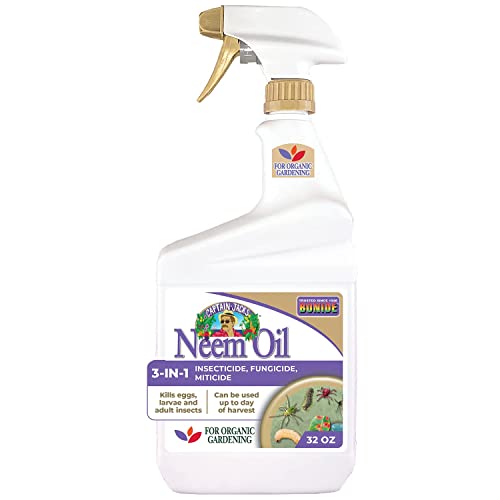
Protect your oasis with 3 garden products in 1 from Captain Jack’s; Bonide Captain Jack’s Ready-to-Use Neem Oil spray for plants is a multi-purpose fungicide, insecticide and miticide for your lawn & garden

PLANT DISEASE CONTROL: Natria Neem Oil acts as an insecticide and fungicide in one convenient spray; Ready-to-use trigger sprayer requires no mixing
California Pomegranate Harvest Timing Tips
Understanding the optimal timing for harvesting pomegranates is essential for maximizing yield and flavor in California’s unique climate. This section offers practical advice on when to pick your pomegranates, ensuring that you enjoy the best quality fruit while navigating the growing conditions specific to the region. With the right timing, your harvest can be both plentiful and delicious.
Harvesting pomegranates at the right time ensures maximum flavor and quality. Typically, fruits are ready to harvest in late summer to early fall. Look for these signs:
Color: The fruit should have a rich, deep color.
Sound: Ripe pomegranates produce a metallic sound when tapped.
Size: Fruits should be plump and slightly soft to the touch.
Use pruning shears to cut the fruit from the tree, avoiding damage to the branches.
Pomegranate Cultivation Tips for California
Pomegranate trees thrive in California’s warm climate, making them an appealing choice for local gardeners. This section provides essential cultivation tips tailored specifically for the unique conditions found in the state, ensuring successful growth and fruitful harvests. Whether you’re a novice or an experienced gardener, these insights will help you cultivate healthy pomegranate trees.
| Aspect | Recommendation | Notes |
|---|---|---|
| Soil Type | Well-drained sandy loam | pH 5.5 to 7.0 |
| Sunlight | 6-8 hours daily | Full sun is ideal |
| Watering Frequency | Weekly | Adjust based on rainfall |
| Fertilization | Early spring, mid-summer | Use balanced fertilizer |
| Harvest Time | Late summer to fall | Look for color and sound |
Monitoring these aspects will help ensure a successful pomegranate harvest.
