
Close Menu
    Fruit Tree Hub
    • Home
    • Apple Trees
    • Lemon Trees
    • Mango Trees
    • Orange Trees
    • More Trees
      • Best Fruit Trees
      • Apricot Trees
      • Cherry Trees
      • Fig Trees
      • Lime Trees
      • Mulberry Trees
      • Peach Trees
      • Pear Trees
      • Plum Trees
      • Pomegranate Trees
    • Tips and Advice
      • Tools
    • About Us
      • Contact
      • Privacy Policy
    Fruit Tree Hub
    Home»Climbing Fruit»Honeydew»Growing Honeydew Melon Plants from Store-Bought Seeds: A Complete Guide
    Honeydew

    Growing Honeydew Melon Plants from Store-Bought Seeds: A Complete Guide

    Lucy SmithBy Lucy SmithJuly 23, 20247 Mins Read
    Share Facebook Twitter Pinterest WhatsApp Email
    Share
    Facebook Twitter LinkedIn Pinterest Telegram Email

    Ever wondered if you could plant those tiny seeds from a juicy honeydew melon? Picture this: you’re enjoying a refreshing slice of honeydew on a sunny afternoon, and as you scoop out the seeds, a thought crosses your mind – can these seeds actually grow into something new? In this article, we’ll explore the exciting possibility of planting and growing your own honeydew melon plants right at home.

    Contents show
    1 Key Takeaways
    2 Understanding Honeydew Melon Seeds
    2.1 Viability of Seeds from Store-Bought Honeydews
    2.2 Factors Affecting Seed Germination
    3 Steps to Plant Honeydew Seeds
    3.1 Preparation and Tools Needed
    4 Care and Maintenance of Honeydew Plants
    4.1 Watering and Fertilizing Requirements
    4.2 Common Pests and Diseases
    5 Harvesting Your Honeydew Melons
    5.1 Indicators of Ripeness
    5.2 Harvesting and Storage Tips
    6 Conclusion
    7 Frequently Asked Questions
    7.1 Can I grow honeydew melon plants at home using seeds from store-bought fruits?
    7.2 What factors affect seed germination of honeydew melon plants?
    7.3 How do I care for honeydew plants once they have sprouted?
    7.4 When is the right time to harvest ripe honeydew melons?
    7.5 Any tips for harvesting and storing honeydew melons properly?

    Key Takeaways

    • Store-bought honeydew melons often contain viable seeds suitable for planting.
    • Factors like soil temperature, moisture levels, light exposure, and seeding depth influence seed germination success.
    • Steps to plant honeydew seeds include seed preparation, choosing the right location, sowing at the appropriate depth, watering adequately, and providing sufficient light.
    • Caring for honeydew plants involves consistent watering, fertilizing with a balanced fertilizer, and monitoring for common pests and diseases.
    • Harvest ripe honeydew melons based on color, texture, fragrance, and sound indicators; store uncut melons at room temperature or in the refrigerator.

    Understanding Honeydew Melon Seeds

    When considering planting honeydew seeds, it’s essential to understand the characteristics of these seeds and how they can affect your gardening endeavors. Let’s delve into the viability of seeds from store-bought honeydews and the factors that play a role in their germination.

    MUST READ
    Honeydew Melon Growing Guide: Tips for Successful Cultivation

    Viability of Seeds from Store-Bought Honeydews

    Store-bought honeydew melons often contain viable seeds that you can use for planting. These seeds are typically mature and capable of germination if provided with suitable growing conditions. However, keep in mind that while most store-bought honeydew seeds can sprout successfully, there is always a slight risk of encountering sterile or non-viable seeds due to various factors like fruit ripeness or handling.

    Factors Affecting Seed Germination

    Several factors influence the germination success rate of honeydew melon seeds. The primary considerations include soil temperature, moisture levels, light exposure, and seed depth. Optimal soil temperature for seed germination generally ranges between 70-90°F (21-32°C). Ensure the soil remains consistently moist but not waterlogged during the germination period to support healthy seedling growth.

    Light plays a crucial role in seed germination as some seeds require light for optimal sprouting. When planting honeydew seeds, be mindful of their specific light requirements to enhance their chances of successful germination. Additionally, seeding depth is critical – plant the seeds at an appropriate depth based on their size to provide them with sufficient contact with the soil for nutrient uptake without burying them too deep for emergence.

    By understanding these key factors influencing seed viability and germination success, you’ll be better equipped to plant and nurture honeydew melon plants from store-bought fruits effectively.

    Steps to Plant Honeydew Seeds

    To successfully plant honeydew seeds from store-bought melons, follow these steps:

    Recommended Products

    Bonviee Seed Starter Trays with 12-LED Grow Lights, Green, 5 Pack | 5 Seed Starter Kits, 60 Cells, 12-LED Grow Light per Tray, Vented Humidity Domes, Drainage Holes, 1-to-5 USB Cable
    Bonviee Seed Starter Trays with 12-LED Grow Lights, Green, 5 Pack | 5 Seed Starter Kits, 60 Cells, 12-LED Grow Light per Tray, Vented Humidity Domes, Drainage Holes, 1-to-5 USB Cable

    12-LED GROW LIGHT PER TRAY — Each of the five seed starting trays features a full-spectrum grow light with 12 LED beads, providing supplemental light for indoor seedlings.

    MUST READ
    How Long Does It Take to Grow Honeydew Melon? Complete Guide for Successful Harvest
    VIEW LATEST PRICE

    As an affiliate, we earn on qualifying purchases.

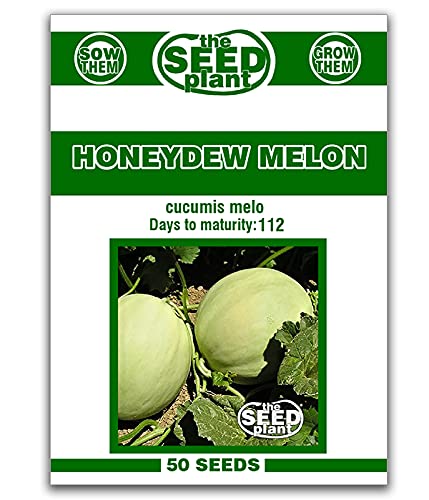
    Sow Right Seeds - Honeydew Melon Seed for Planting Sweet Green Honey Dew | Plant non-GMO heirloom muskmelon variety in outdoors home vegetable gardening. Fruit plants for growing in outside gardening.
    Sow Right Seeds - Honeydew Melon Seed for Planting Sweet Green Honey Dew | Plant non-GMO heirloom muskmelon variety in outdoors home vegetable gardening. Fruit plants for growing in outside gardening.

    Beautiful - Large individual packet of Green Honeydew Melon (Cucumis melo) seeds. Grow an abundant harvest of sweet melons. Each plant grows vigorously and produces 2-4 melons. Minimum of 1.5g per packet (about 50 seeds).
    VIEW LATEST PRICE

    As an affiliate, we earn on qualifying purchases.

    Honeydew Melon Seeds - 50 Seeds Non-GMO
    Honeydew Melon Seeds - 50 Seeds Non-GMO

    Packaged for envelope delivery.

    VIEW LATEST PRICE

    As an affiliate, we earn on qualifying purchases.

    Preparation and Tools Needed

    1. Prepare the Seeds: Extract the seeds carefully from a ripe honeydew melon. Rinse them under running water to remove any fruit residue.
    2. Gather Supplies: Collect potting containers, well-draining soil mix, a watering can, and labels for seed identification.
    3. Choose the Right Location: Select a sunny spot with good air circulation for optimal growth.
    4. Soil Preparation: Ensure the soil is loose, fertile, and well-draining to support seed germination.
    1. Seed Sowing:
    • Create small holes in the soil using your finger or a tool.
    • Place 2-3 seeds per hole at a depth of about 1 inch.
    1. Covering and Watering:
    • Gently cover the seeds with soil and pat it down lightly.
    • Water the soil thoroughly but avoid making it soggy.
    1. Maintain Moisture Levels:
    • Keep the soil consistently moist until germination occurs.
    1. Provide Adequate Light:
    • Place the containers in a location where they can receive plenty of sunlight.
    1. Monitor Growth:
    • Watch for seedlings to emerge within 7-14 days.
    MUST READ
    How to Get Honeydew Off Car: Safe and Effective Cleaning Techniques
    1. Transplant Seedlings:
    • Once seedlings have several leaves, transplant them into larger pots or an outdoor garden bed.

    Care and Maintenance of Honeydew Plants

    Caring for your honeydew plants is essential to ensure healthy growth and a bountiful harvest. Here’s how you can effectively nurture your honeydew plants:

    Recommended Products

    Melon Fertilizer - Liquid Plant Food for Bigger Melons, 32 oz | Boosts Fruit Set & Sweetness, Helps Reduce Blossom Drop, Foliar or Soil Feed, For Watermelon, Cantaloupe & Honeydew
    Melon Fertilizer - Liquid Plant Food for Bigger Melons, 32 oz | Boosts Fruit Set & Sweetness, Helps Reduce Blossom Drop, Foliar or Soil Feed, For Watermelon, Cantaloupe & Honeydew

    Helps Promote Vine Growth & Fruit Development – Supports strong vines and balanced fruiting.
    VIEW LATEST PRICE

    As an affiliate, we earn on qualifying purchases.

    Melon Fertilizer - Liquid Plant Food for Bigger Melons, 8 oz | Boosts Fruit Set & Sweetness, Helps Reduce Blossom Drop, Foliar or Soil Feed, For Watermelon, Cantaloupe & Honeydew
    Melon Fertilizer - Liquid Plant Food for Bigger Melons, 8 oz | Boosts Fruit Set & Sweetness, Helps Reduce Blossom Drop, Foliar or Soil Feed, For Watermelon, Cantaloupe & Honeydew

    Helps Promote Vine Growth & Fruit Development – Supports strong vines and balanced fruiting.

    VIEW LATEST PRICE

    As an affiliate, we earn on qualifying purchases.

    Leaves & Soul Melon Fertilizer Liquid Melon Plant Food 5-1-5 Formula, 8 oz | Liquid Fertilizer for Melons Supports Healthy Growth, Melon Food with Balanced 5-1-5 Formula for Strong Vine Development
    Leaves & Soul Melon Fertilizer Liquid Melon Plant Food 5-1-5 Formula, 8 oz | Liquid Fertilizer for Melons Supports Healthy Growth, Melon Food with Balanced 5-1-5 Formula for Strong Vine Development

    🍈 PERFECT BLEND FOR MELON PLANTS: Give your garden the nutrients it needs with this professional melon fertilizer featuring a balanced 5-1-5 formula. Designed as an effective fertilizer for melons, it promotes strong root systems, vigorous vine growth, and abundant fruit production. This premium plant food for melons supports healthier plants and better harvests.

    VIEW LATEST PRICE

    As an affiliate, we earn on qualifying purchases.

    Watering and Fertilizing Requirements

    When it comes to watering your honeydew plants, consistency is key. Ensure the soil remains consistently moist but not waterlogged. Overwatering can lead to root rot, so it’s crucial to strike a balance. Additionally, fertilize your honeydew plants regularly with a balanced fertilizer to provide them with essential nutrients for robust growth.

    MUST READ
    How to Plant Honeydew Seeds: A Complete Guide for Growing Sweet Melons at Home

    Common Pests and Diseases

    Keep an eye out for common pests such as aphids, spider mites, and cucumber beetles that can attack your honeydew plants. To prevent infestations, consider using natural remedies like neem oil or introducing beneficial insects like ladybugs. Moreover, watch for signs of diseases like powdery mildew or bacterial wilt and promptly address any issues to protect the health of your honeydew plants.

    Harvesting Your Honeydew Melons

    When it comes to harvesting your honeydew melons, there are a few key indicators of ripeness you should look out for and essential tips for proper harvesting and storage.

    Indicators of Ripeness

    To determine if your honeydew melon is ripe and ready to be harvested, here are some indicators to keep in mind:

    1. Color: A ripe honeydew melon will have a creamy yellow color on its skin, indicating sweetness.
    2. Texture: The skin should feel slightly waxy and firm but yield slightly under pressure when gently pressed.
    3. Fragrance: Ripe honeydew melons give off a sweet aroma at the stem end.
    4. Sound: When thumped, a ripe honeydew will produce a dull, hollow sound rather than a high-pitched one.

    Harvesting and Storage Tips

    Once you’ve identified that your honeydew melon is ready for harvest, follow these tips to ensure optimal taste and freshness:

    • Harvesting: Use sharp scissors or pruners to cut the stem about an inch above the fruit; avoid twisting or pulling the fruit from the vine.
    • Storage: Store uncut ripe honeydews at room temperature for 2-4 days or in the refrigerator for up to 5 days. Once cut, wrap tightly in plastic wrap and refrigerate for 3-5 days.
    MUST READ
    How to Germinate Honeydew Melon Seeds: Essential Tips for Successful Growth

    Conclusion

    You now have all the essential information to successfully plant seeds from a honeydew and nurture them into thriving melon plants. From selecting the right soil to monitoring growth and finally harvesting ripe fruits, this guide has covered everything you need to know. Remember to provide adequate care through proper watering, fertilization, and pest control for healthy plant development. By following these steps diligently, you can enjoy the satisfaction of growing your own juicy honeydew melons at home. Happy planting!

    Frequently Asked Questions

    Can I grow honeydew melon plants at home using seeds from store-bought fruits?

    Yes, you can grow honeydew melon plants at home using seeds from store-bought fruits. Follow the steps mentioned in the article for successful germination and planting.

    What factors affect seed germination of honeydew melon plants?

    Factors affecting seed germination of honeydew melon plants include temperature, moisture levels, soil quality, and light conditions.

    How do I care for honeydew plants once they have sprouted?

    Care for your honeydew plants by maintaining proper watering practices, providing adequate fertilization, controlling pests naturally, and preventing diseases effectively.

    When is the right time to harvest ripe honeydew melons?

    Harvest ripe honeydew melons when they exhibit signs of ripeness such as color change, soft texture, sweet fragrance, and a dull thud when tapped.

    Any tips for harvesting and storing honeydew melons properly?

    Harvest ripe honeydews with sharp tools by cutting the stem. Store uncut melons in a cool place while refrigerating cut ones in an airtight container.

    Share. Facebook Twitter Pinterest LinkedIn Tumblr Email
    lucy smith
    Lucy Smith
    • Website

    Lucy Smith is a highly experienced horticulturist with a passion for fruit tree cultivation. She holds a degree in Horticulture from the University of California, Davis, and has worked in various roles in the industry. With over 10 years of experience, Lucy is dedicated to using eco-friendly methods for sustainable gardening practices.

    Related Posts

    Do Honeydew Melons Grow on Trees? Cultivation, Nutrition, and Culinary Delights Explained

    July 27, 2024

    Can You Grow Honeydew Melons from Seeds? Tips for Successful Home Harvesting

    July 27, 2024

    How to Grow Honeydew Melon from Fresh Seeds: A Complete Backyard Gardening Guide

    July 27, 2024

    Can You Eat Honeydew Seeds? A Guide to Health Benefits and Preparation Tips

    July 27, 2024

    Are Honeydew Seeds Good for You? Exploring Nutritional Benefits and Safety Tips

    July 27, 2024

    Ultimate Guide: How to Grow Honeydew Melons on a Trellis Like a Pro

    July 27, 2024
    Leave A Reply Cancel Reply

    Affiliate Disclosure

    As an Amazon Associate I earn from qualifying purchases.

    Recommended Reading

    How Far Plant Fruit Trees Apart for Maximum Growth and Delicious Harvests

    Walnut Trees in Vermont: Cold-Climate Variety Secrets

    When Do Persimmon Trees Drop Their Fruit: Timing and Tips for an Abundant Harvest

    Orange Trees in a Pot in Maine (Winter Indoor Survival Guide)

    Walnut Trees in Alabama: Pro Secrets for a Massive Harvest

    Growing Star Fruit Trees in a Pot in Nebraska: Wind Care Tips

    Can Quince Trees Grow in San Francisco, CA? Soil Tips

    Which Fruit Trees Grow in Nebraska? (Wind and Soil Advice)

    Guava Trees in Oakland, CA: Bay Area Microclimate Secrets

    Can Quince Trees Grow in Tennessee? Volunteer State Secrets

    Fruit Tree Hub

    Fruit Tree Hub is a website dedicated to providing you everything you need to grow fruit trees successfully at in your own yard.

    Contact us at: [email protected]

    - AFFILIATE DISCLOSURE: As an Amazon Associate I earn from qualifying purchases.

    Latest Posts

    18 Coastal Crochet Tops in White and Neutral Shades

    16 Retro Crochet Tops Built Around Multicolor Granny Squares

    16 Modest Crochet Tops Featuring Higher Necklines

    19 Cottagecore Crochet Tops With Square Necklines

    13 Ruffled Crochet Tops With Flared Hems

    19 Lace Crochet Tops Featuring Intricate Openwork

    14 Floral Crochet Tops Inspired by Botanical Motifs

    20 Boho Crochet Halter Tops for Festival Outfits

    Categories
    • Almond Trees
    • Apple Trees
    • Apricot Trees
    • Best Fruit Trees
    • Blackberry
    • Cantaloupe
    • Cherry Trees
    • Christmas Crochet Ideas
    • Crochet Bag Ideas
    • Crochet Blanket Ideas
    • Crochet Dress Ideas
    • Crochet Ideas
    • Crochet Ideas for Beginners
    • Crochet Top Ideas
    • Cucamelon
    • Easy Crochet Ideas
    • Easy Knitting Projects
    • Fall Crochet Ideas
    • Fig Trees
    • Grapefruit Trees
    • Grapes
    • Guava Trees
    • Halloween Crochet Ideas
    • Honeydew
    • Jujube Trees
    • Kiwi
    • Knitting For Beginners
    • Knitting Ideas
    • Knitting Inspiration
    • Lemon Trees
    • Lime Trees
    • Loquat Trees
    • Mango Trees
    • Mulberry Trees
    • Nectarine Trees
    • Olive Trees
    • Orange Trees
    • Papaya Trees
    • Peach Trees
    • Pear Trees
    • Persimmon Trees
    • Planting
    • Plum Trees
    • Pomegranate Trees
    • Quince Trees
    • Raspberry
    • Reviews
    • Small Crochet Ideas
    • Star Fruit Trees
    • Summer Crochet Ideas
    • Tamarind Trees
    • Tangerine Trees
    • Tips and Advice
    • Tools
    • Uncategorized
    • Walnut Trees
    • Winter Crochet Ideas
    © 2026 Fruit Tree Hub
    • Home
    • About Us
    • Contact
    • Privacy Policy
    • Terms and Conditions
    • Disclaimer
    • Editorial Policy
    • Affiliate Disclosure

    Type above and press Enter to search. Press Esc to cancel.