

Have you ever wondered how to kickstart the growth of honeydew melon seeds right in your own backyard? Picture this: you’re eager to cultivate delicious, juicy melons, but unsure where to begin. That’s where we come in! In this article, we’ll guide you through the simple yet rewarding process of germinating honeydew melon seeds.
Key Takeaways
- Seed germination is a crucial process in growing honeydew melon plants.
- Factors like moisture, warmth, light, soil quality, temperature, planting depth, seed quality, and seed age affect germination rates.
- Choosing high-quality seeds from reputable suppliers and creating the right environment are key to successful germination.
- Steps for successful germination include seed selection, treatment, inspection, proper planting depth, moisture control, warmth maintenance, and light exposure.
- Maintaining optimal temperature (70-90°F) and humidity levels (60-80%), watering consistency, and providing adequate light are essential for successful honeydew melon seed germination.
Understanding Seed Germination
Seed germination is a crucial process in the growth of honeydew melon plants. By understanding the basics of seed germination and the factors that influence germination rates, you can successfully kickstart the growth of your honeydew melon seeds.
The Basics of Germinating Seeds
When it comes to germinating honeydew melon seeds, there are a few key steps to keep in mind:
- Moisture: Seeds need moisture to soften their outer shell and begin sprouting.
- Warmth: Providing a warm environment helps speed up the germination process.
- Light: While some seeds require light for germination, others might not; check specific requirements for honeydew melon seeds.
- Soil: Use well-draining soil to prevent waterlogging, which can hinder germination.
By ensuring these conditions are met, you set the stage for successful seed germination.
Factors Affecting Germination Rates
Several factors can impact the rate at which honeydew melon seeds germinate:
- Temperature: Optimal temperatures can vary but generally fall between 70-90°F (21-32°C) for most melon varieties.
- Depth of Planting: Planting seeds at an appropriate depth ensures they receive adequate warmth and moisture.
- Seed Quality: High-quality seeds with good genetics are more likely to germinate successfully.
- Seed Age: Fresh seeds generally have higher germination rates compared to older ones.
Understanding these factors allows you to create optimal conditions for your honeydew melon seeds’ successful germination process.
How to Germinate Honeydew Melon Seeds
Starting the germination process of honeydew melon seeds is an exciting journey that requires attention to detail. Follow these steps to ensure successful growth:
Recommended Products

Beautiful - Large individual packet of Green Honeydew Melon (Cucumis melo) seeds. Grow an abundant harvest of sweet melons. Each plant grows vigorously and produces 2-4 melons. Minimum of 1.5g per packet (about 50 seeds).
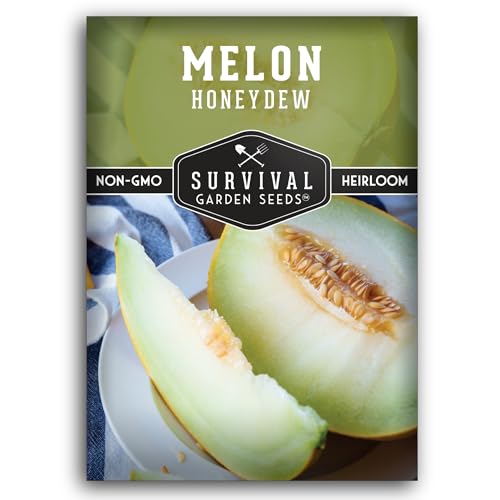
REFRESHINGLY SWEET MELONS – Classic honeydew flavor with smooth light green flesh that’s juicy and fragrant for sweet summer enjoyment straight from your own home garden vines

TRUSTED VARIETY - Popular melon seeds used by gardeners for years. Yellow rind and creamy light green / white fruit on the inside.
Choosing the Right Seeds
Selecting high-quality honeydew melon seeds is essential for a successful germination process. Look for seeds from reputable suppliers or choose organic options for better results. Ensure the seeds are fresh, as older seeds may have lower germination rates.
Necessary Supplies and Environment
Gather all the supplies you’ll need before starting the germination process. You’ll require potting mix, seed trays or pots, a spray bottle for watering, and a warm, well-lit area for seed placement. Make sure the environment provides consistent warmth and moisture to support seed germination effectively.
By choosing the right seeds and preparing your supplies and environment adequately, you set yourself up for a successful honeydew melon seed germination experience in your own backyard.
Step-by-Step Germination Process
To successfully germinate honeydew melon seeds, follow these steps:
Preparing the Seeds
- Seed Selection: Choose high-quality honeydew melon seeds from a reputable supplier. Look for plump, undamaged seeds for the best germination results.
- Seed Treatment: Soak the seeds in water overnight to soften their hard outer coating and promote faster germination.
- Seed Inspection: Before planting, inspect the soaked seeds. Discard any floating or damaged seeds as they are less likely to germinate successfully.
- Planting Depth: Plant the pre-soaked seeds about 1 inch deep in well-draining soil to allow for proper root development.
- Moisture Control: Keep the soil consistently moist but not waterlogged during the germination process. Use a spray bottle to avoid disturbing the seeds.
- Warmth Requirement: Maintain a temperature of around 70-85°F (21-29°C) for optimal seed germination. Consider using a heat mat if your environment is too cool.
- Light Exposure: While some light is beneficial, avoid direct sunlight on newly planted seeds as it can dry out the soil quickly.
By following these simple steps, you’ll increase your chances of successful honeydew melon seed germination and enjoy healthy plant growth in your garden.
Tips for Successful Germination
When germinating honeydew melon seeds, there are specific factors you need to consider to ensure successful growth. Here are some essential tips to help you through the process:
Recommended Products
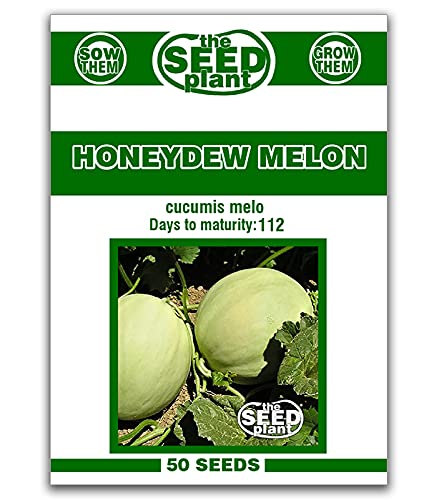
Packaged for envelope delivery.

Cool Beans n Sprouts Brand

Orange Flesh Honeydew Melon (Cucumis melo), produces smooth, cream-colored, nearly round 5-6 pound fruits. The light orange flesh delivers a sweet, rich flavor combining the juiciness of honeydew with the sweetness and texture of cantaloupe.
Temperature and Humidity Control
Maintaining the correct temperature and humidity levels is crucial for the germination of honeydew melon seeds. Here’s what you need to know:
- Temperature: Honeydew melon seeds germinate best in warm soil with temperatures around 70-90°F (21-32°C). Ensure consistent warmth for optimal seed sprouting.
- Humidity: Keep the growing medium consistently moist but not waterlogged. High humidity around 60-80% helps in seed hydration and sprouting.
Watering and Light Requirements
Proper watering and adequate light exposure are vital elements for successful germination. Follow these guidelines:
- Watering: Water the seeds gently to keep the soil evenly moist, avoiding overwatering that can lead to rotting. Maintain a regular watering schedule.
- Light: Provide honeydew melon seeds with ample indirect sunlight or artificial light sources if growing indoors. Ensure they receive about 6-8 hours of light daily for healthy growth.
By paying attention to these essential tips on temperature, humidity, watering, and light requirements, you can enhance the chances of successful germination when planting honeydew melon seeds in your garden.
Conclusion
You now have a solid understanding of the essential steps required to successfully germinate honeydew melon seeds. By carefully selecting your seeds, providing the right treatment, controlling moisture levels, and ensuring proper warmth and light exposure, you can kickstart the growth process effectively. Remember to pay attention to factors like temperature, humidity, watering frequency, and light requirements to give your seeds the best chance of sprouting. With these insights in mind, you’re well-equipped to start your honeydew melon planting journey with confidence. Happy gardening!
Frequently Asked Questions
Q: Why is seed germination crucial for honeydew melon plants?
A: Seed germination is vital as it marks the beginning of plant growth, ensuring successful cultivation.
Q: What are the key steps involved in seed germination for honeydew melons?
A: Key steps include seed selection, treatment, planting depth, moisture control, warmth needs, and light exposure.
Q: How can I ensure successful germination of honeydew melon seeds?
A: Ensure optimal conditions by maintaining suitable temperature, humidity levels, watering frequency, and adequate light exposure.
Q: Why is monitoring environmental factors important during seed germination?
A: Monitoring factors like temperature, humidity, watering levels, and light exposure helps create ideal conditions for seedling development.
