

Have you ever wondered if you can grow grapes from seeds? Picture this: You’re enjoying a delicious bunch of grapes, and the thought crosses your mind – could I plant these seeds and start my own vineyard? In this article, we’ll explore the fascinating world of planting grapes from seeds and discover if it’s a viable option for aspiring grape growers like yourself.
Key Takeaways
- Growing grapes from seeds can lead to genetic diversity and potentially create new grape varieties with unique characteristics.
- Starting grape plants from seeds is a cost-effective option compared to purchasing cuttings or grafted vines.
- Planting grapes from seeds offers a hands-on learning experience about the growth stages of grapevines, enhancing understanding of plant development.
- Seed-grown vines may develop natural resistance to local pests and diseases over time, promoting sustainable vineyard practices.
- However, there is uncertainty in fruit quality and traits with seed-grown plants, longer time to maturity, limited varietal characteristics, and a risk of inheriting undesirable traits.
Understanding Grape Propagation
When it comes to grape propagation, understanding the basics of growing grapes is essential. Knowing the challenges associated with planting grapes from seeds can help you make informed decisions about starting your vineyard.
The Basics of Growing Grapes
To grow grapes successfully, you typically propagate them through cuttings rather than seeds. This method ensures that the new plant retains the characteristics of the parent plant. When planting grape seeds, there’s a level of uncertainty regarding the quality and flavor of the resulting fruit. It’s important to note that grapevines grown from seeds may take several years to mature and produce fruit, delaying your harvest compared to using cuttings.
Challenges with Planting Grapes From Seeds
One significant challenge of planting grapes from seeds is genetic variability. Unlike propagating from cuttings, where the new plant inherits traits directly from its parent, grape seeds can result in offspring with diverse characteristics. This variation makes it challenging to predict factors such as taste, yield, disease resistance, and overall vine performance. Additionally, seed-grown vines may exhibit inconsistent growth patterns or qualities compared to those propagated vegetatively.
Understanding these challenges can help you weigh the pros and cons of planting grapes from seeds versus using established propagation methods like cuttings. While growing grapes from seeds can be an exciting experiment, it’s vital to consider factors such as time investment, uncertainty in fruit quality, and potential variations in vine performance before embarking on this journey to cultivate your vineyard.
Methods of Grape Cultivation
When it comes to cultivating grapes, there are specific methods that can help you achieve successful growth. Here are two key techniques to consider:
Recommended Products

Electric pruning shear cutter supplies:the cutting speeds is faster, easy to replace, small in size and easy to carry to anywhere,electric pruning shear supplies


6-Piece Grafting Tool Set: Includes one SK5 steel grafting cutter, one 2CR13 steel grafting knife, three rolls of tape (1 white, 2 green), and one twist tie for complete propagation
Growing From Cuttings
To ensure the desired characteristics of the parent plant are maintained, growing grapes from cuttings is a popular method among vineyard owners. By using cuttings from established grapevines, you can replicate the traits you appreciate in the original plant. This technique offers a more predictable outcome compared to planting grapes from seeds since genetic variability is minimized.
Using Grafting Techniques
Grafting is another effective method for grape cultivation that allows you to combine desirable traits from different grape varieties. By joining a scion (the top part of one grape variety) with a rootstock (the bottom part usually chosen for its strong root system), you can create a new grapevine with improved qualities such as disease resistance or fruit quality. Grafting provides control over the characteristics of the resulting plant, making it a preferred choice for many growers aiming for specific outcomes in their vineyards.
Steps to Plant Grape Seeds
To successfully plant grape seeds, follow these steps:
Recommended Products
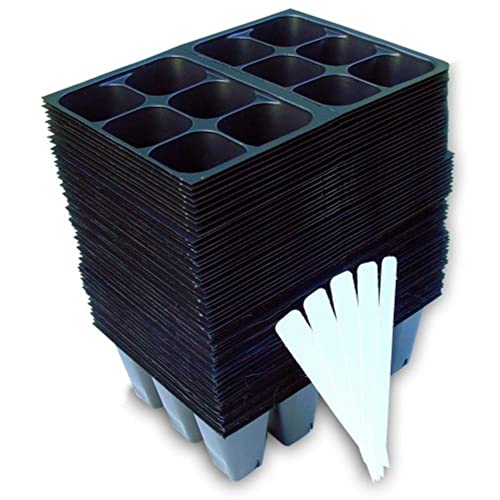
Drainage Holes: Each cell has drain holes at the bottom for proper water drainage.

Adjustable Vents: The seed trays have adjustable vents that allow you to regulate the temperature and humidity of your seedling environment for total control over the growing process.

Preparing the Seeds
Start by selecting ripe grapes from which you can extract the seeds. Wash the grapes thoroughly and remove the seeds carefully, ensuring they are intact. Dry the seeds completely before proceeding with planting.
Ideal Conditions for Germination
Create a suitable environment for germination by preparing a potting mix of equal parts peat moss, sand, and perlite. Fill small pots or seed trays with this mix and plant one seed in each container at a depth of about half an inch.
Water the soil lightly after planting to keep it moist but not waterlogged. Place the containers in a warm location with indirect sunlight. Ensure consistent moisture levels throughout the germination period.
By following these steps diligently, you can increase your chances of successfully growing grape plants from seeds.
Advantages and Disadvantages of Seed Propagation
When considering planting grapes from seeds, it’s essential to weigh the pros and cons to make an informed decision.
Recommended Products

High Germination Rate: Our grape seeds ensure high germination, giving you the best chance to grow healthy grapevines at home.

[Compatible with Mason Jars] The plant kit fits wide-mouthed orglass planter about 3.5 inches (88 mm) in diameter with only four high-quality shelves and no jars

SEED VARIETIES: Complete garden starter kit includes 800 strawberry seeds, 800 raspberry seeds, 50 blueberry seeds, and 50 grape seeds for a diverse fruit garden
Pros of Planting Grapes from Seeds
- Genetic Diversity: Growing grapes from seeds can lead to genetic variability, potentially resulting in new grape varieties with unique characteristics.
- Cost-Effective: Starting grape plants from seeds is a budget-friendly option compared to purchasing cuttings or grafted vines.
- Learning Experience: It offers a hands-on learning opportunity about the growth stages of grapevines, enhancing your understanding of plant development.
- Potential for Disease Resistance: Seed-grown vines may develop natural resistance to local pests and diseases over time, contributing to sustainable vineyard practices.
- Uncertainty in Quality: There’s a lack of predictability in terms of fruit quality, flavor, and other desirable traits since seed-grown plants may not replicate the parent vine accurately.
- Longer Time to Maturity: Grapevines grown from seeds typically take longer to reach maturity and produce fruits compared to those propagated through cuttings or grafting methods.
- Limited Varietal Characteristics: Seed propagation may result in unexpected outcomes as the new plants may not exhibit all the desired characteristics found in the parent grape variety.
- Risk of Undesirable Traits: There’s a possibility that seed-grown vines might inherit undesirable traits such as susceptibility to certain diseases or poor fruit quality.
By considering these advantages and disadvantages, you can determine whether planting grapes from seeds aligns with your goals as a grower.
Conclusion
Planting grapes from seeds offers a mix of benefits and challenges for growers. On one hand, it provides an opportunity to explore genetic diversity, potentially leading to unique vine characteristics. It can be a cost-effective way to start your vineyard journey and learn about the growth process. However, remember that this method comes with uncertainties in fruit quality, longer wait times for maturity, and risks of undesired traits. By carefully considering these factors against your goals and resources, you can determine if planting grapes from seeds is the right choice for you. Happy growing!
Frequently Asked Questions
Can grapes be propagated from seeds?
Yes, grapes can be propagated from seeds, but it comes with challenges like uncertainty in fruit quality, flavor, and longer maturity time.
What are the alternative methods for grape propagation?
Alternative methods include growing grapes from cuttings and grafting. These techniques help maintain desired traits and create new vines with improved qualities more reliably.
What are the advantages of planting grapes from seeds?
Advantages include genetic diversity, cost-effectiveness, learning opportunities, and potential disease resistance. However, there’s a trade-off with uncertainties in quality and longer time to maturity.
What are the disadvantages of planting grapes from seeds?
Disadvantages encompass uncertainty in quality, extended time to maturity, limited varietal characteristics compared to parent plants, and the risk of undesirable traits emerging.
