

Curious about blackberries and whether they grow on vines or bushes? Picture this: you’re strolling through a garden, eyeing those plump, juicy blackberries dangling tantalizingly within reach. But are they climbing up vines or nestled in bushy shrubs? Understanding the growth habits of blackberries can make all the difference in how you care for them and enjoy their delicious fruits.
Key Takeaways
- Blackberries can grow on both vines and bushes, with erect and trailing varieties available to suit different gardening spaces.
- Thornless blackberry varieties are easier to maintain and harvest, while thorny ones may offer better fruit production but require dealing with thorns.
- Proper care practices for blackberries include selecting the right variety, providing well-drained soil and adequate sunlight, regular pruning, consistent watering, fertilization, disease management, pest control, weed suppression, and support systems.
- Blackberries have economic importance in horticulture and agriculture due to high demand in various markets for fresh consumption and processed products like jams and juices.
- Innovations in blackberry farming have led to improved cultivation techniques, new disease-resistant varieties with enhanced traits, and modern technologies for efficient crop production.
Understanding Blackberries: Vines or Bushes?
When it comes to blackberries, understanding whether they grow on vines or bushes is essential for their care and maintenance. Let’s delve into the characteristics of blackberry plants and explore the types of structures they exhibit.
Recommended Products
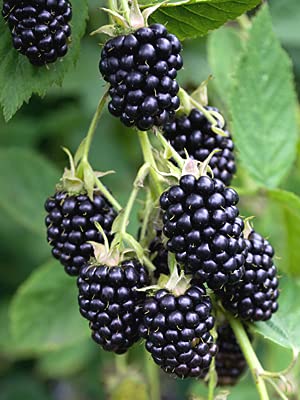
Includes four (4) "Natchez" Blackberry Plants with USPS Shipping. These are 2 inch rooted plants shipped in 2 inch tray pots and are 3-6 inches tall.


The blackberry is one of the most widely grown in the world, perhaps because it's also one of the easiest berries to grow. It produces a bountiful crop in summer.
Characteristics of Blackberry Plants
Blackberry plants are known for their sprawling nature, with long canes that can grow vigorously if not properly managed. These canes are typically armed with thorns, making pruning a task that requires caution. The plants have perennial roots and biennial canes, meaning they bear fruit on second-year growth.
Blackberries belong to the Rubus genus in the Rosaceae family, sharing traits with raspberries due to their relatedness. They thrive in temperate climates and require well-drained soil and adequate sunlight for optimal growth. Understanding these characteristics helps you provide the right environment for your blackberry plants to flourish.
Types of Blackberry Plant Structures
There are two main types of blackberry plant structures: erect and trailing. Erect blackberries have stiff, upright canes that don’t require support, making them ideal for smaller spaces or home gardens. On the other hand, trailing blackberries have long canes that trail along the ground or need trellises for support.
Within these categories, there are various cultivars offering different flavors, sizes, and harvest times. Some popular erect varieties include ‘Apache’ and ‘Prime-Ark Freedom,’ while common trailing types include ‘Black Satin’ and ‘Chester.’ Choosing the right structure based on your space constraints and gardening goals is crucial for successfully growing blackberries at home.
By understanding these key aspects of blackberry plants – their characteristics and structural variations – you’ll be better equipped to cultivate healthy bushes or vines in your garden while enjoying a bountiful harvest of delicious berries.
Exploring Blackberry Varieties
When it comes to blackberries, understanding the different varieties can help you choose the right plants for your garden. Let’s delve into two key aspects of blackberry varieties: thorny versus thornless options and the growth habits they exhibit.
Recommended Products


Grow your own blackberries; With the Arapaho vine you can grow your own source of sweet delcious blackberries right in your front or backyard. These fruit vines consistently produce lots of berries

Caddo blackberry plants are known to produce consistently high yields of flavorful high quality blackberries!
Thorny Versus Thornless Varieties
Blackberry plants come in both thorny and thornless varieties, each with its own advantages. Thorny blackberries tend to be more vigorous growers and may have better fruit production. However, dealing with thorns during pruning and harvesting can be a challenge. On the other hand, thornless blackberries are easier to maintain and harvest, making them a popular choice for home gardeners. Consider your preferences and gardening style when selecting between thorny and thornless blackberry varieties.
Growth Habits of Different Varieties
Blackberries can exhibit various growth habits, including erect, semi-erect, and trailing types. Erect blackberries grow upright without support, making them ideal for smaller spaces or containers. Semi-erect varieties offer a balance between upright growth and trailing canes that may need some support. Trailing blackberries spread horizontally along the ground or trellises, requiring adequate space to accommodate their sprawling nature.
Understanding the growth habits of different blackberry varieties allows you to plan your garden layout effectively. Whether you opt for erect bushes that stand tall on their own or trailing vines that need support structures, selecting the right variety ensures a successful harvest of delicious blackberries in your backyard.
Cultivation and Care of Blackberries
When it comes to growing blackberries, following best practices is essential for a successful harvest. Here are some key guidelines to help you cultivate and care for your blackberry plants effectively.
Recommended Products

THORN PROOF GARDEN GLOVES FOR WOMEN MEN: The palm part of this thorn proof gardening gloves is made of 100% natural full grain cowhide. Perfect for working with roses, prickly pear, and cactus plants. Never worry about hands or arms getting pricked or scratched again

【ANTI-SLIP HANDLE DESIGN】: The two-color anti-slip handle of the fruit pruning shears is ergonomically designed made of high purity PP+TRP secondary injection molding. Garden Pruning Shears handle is comfortable to grip and save energy. Garden shears has strong toughness and strength, which provides a strong grip and toughness for long-term use.

SECURE & EASY TO LOCK: Our garden shears have a safety locking mechanism to keep the sharp blades securely closed when not in use, and can effectively reduce accidental injuries. It's a perfect design.
Best Practices for Growing Blackberries
- Selecting the Right Variety: Choose the blackberry variety that suits your climate and space. Thornless varieties are easier to manage but may lack the robustness of thorned ones.
- Proper Planting: Ensure your blackberries have well-drained soil with good sunlight exposure. Space them adequately to allow air circulation, reducing the risk of diseases.
- Pruning Routine: Regularly prune your blackberry plants to remove dead canes and encourage new growth. Pruning also helps maintain plant vigor and improve fruit quality.
- Watering Schedule: Blackberries need consistent moisture, especially during fruit development. Water deeply but infrequently to promote deep root growth.
- Fertilization: Apply a balanced fertilizer according to the specific needs of your blackberry plants, typically in early spring before new growth starts.
- Disease Management: Keep an eye out for common diseases like powdery mildew or anthracnose, which can affect blackberries. Proper sanitation practices and selecting disease-resistant varieties can help mitigate these issues.
- Pest Control: Birds, aphids, spider mites, and beetles are common pests that may target blackberries. Implement integrated pest management strategies such as physical barriers or organic pesticides when necessary.
- Weed Competition: Competing weeds can deprive blackberry plants of nutrients and water. Mulching around the base of plants can help suppress weeds while retaining soil moisture.
- Support Systems: Depending on the type of blackberry variety you’re growing (erect, semi-erect, or trailing), providing adequate support like trellises or stakes is crucial to prevent sprawling growth and ensure proper fruit production.
By following these best practices and being aware of potential challenges in cultivating blackberries, you’ll be better equipped to nurture healthy plants that yield delicious fruits season after season.
Blackberries in Horticulture and Agriculture
Blackberries play a significant role in horticulture and agriculture, offering both economic benefits and opportunities for innovation in farming practices. Let’s explore the importance of blackberries in these sectors.
Economic Importance of Blackberries
Blackberries hold substantial economic value due to their high demand in various markets. They are not only consumed fresh but also used in processed forms such as jams, jellies, juices, and baked goods. The cultivation of blackberries contributes to the agricultural economy by providing income to growers and supporting related industries like food processing and distribution. Their popularity among consumers ensures a steady market for blackberry products, making them a profitable crop for farmers.
Innovations in Blackberry Farming
Innovations in blackberry farming have revolutionized cultivation techniques, leading to increased yields and improved plant health. Advancements in breeding programs have produced new blackberry varieties with enhanced traits such as disease resistance, larger fruit sizes, extended harvest seasons, and better adaptability to different growing conditions. Modern technologies like drip irrigation systems, precision fertilization methods, and integrated pest management strategies have optimized crop production while minimizing environmental impact. These innovations empower farmers to grow blackberries more efficiently and sustainably, ensuring a stable supply of high-quality fruits to meet market demands.
By understanding the economic significance of blackberries and staying updated on innovative farming practices, you can make informed decisions when cultivating these versatile plants for personal enjoyment or commercial purposes.
Conclusion
You’ve now explored the intricate world of blackberry cultivation, understanding the nuances between vines and bushes. By grasping the distinct features and growth habits, you’re equipped to make informed choices for successful plant care. Remember, selecting the right variety based on your climate and space is key to a fruitful harvest. With proper planting techniques, maintenance routines, and pest management strategies in place, you’ll nurture thriving blackberry plants. The economic significance of blackberries underscores their value in horticulture and agriculture, showcasing how innovation continues to enhance farming practices for improved yields and sustainability. Armed with this knowledge, you’re ready to embark on a rewarding journey of growing delectable blackberries in your own backyard or contributing to the thriving industry.
Frequently Asked Questions
What are the key characteristics of blackberry plants?
Blackberry plants have perennial roots and biennial canes. They require well-drained soil and sunlight to thrive.
What are the main types of blackberry structures?
The two main types are erect and trailing blackberries, each with specific features and cultivars.
Why is it important to understand different blackberry growth habits?
Understanding growth habits like erect, semi-erect, and trailing helps in selecting the right plants for successful cultivation and a bountiful harvest.
What guidelines are essential for cultivating blackberry plants effectively?
Key guidelines include selecting the right variety based on climate and space, proper planting techniques, pruning routines, watering schedules, fertilization needs, disease management, pest control, weed competition, and support systems.
How important are blackberries in horticulture and agriculture economically?
Blackberries hold high economic importance due to their demand in various markets that support growers and related industries. Innovations in farming practices have further enhanced yields and sustainability.
